
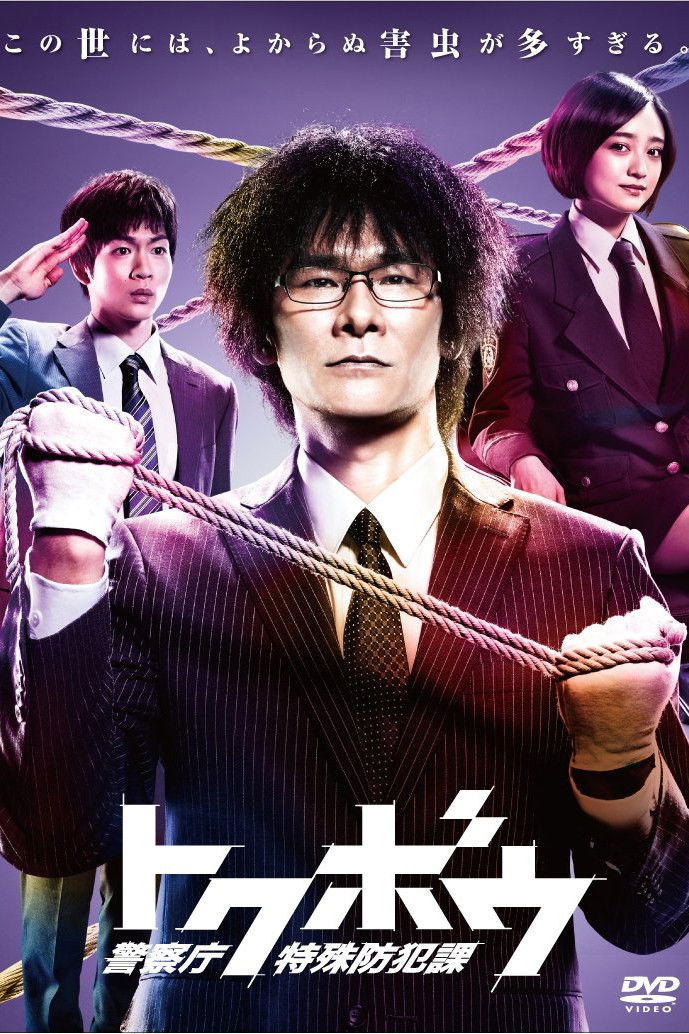
Moral Influence National Police Agency Special Crime Prevention Section
Sohei works at Crime Prevention Section of the National Police Agency. There's only two people, including Sohei, working at there. The section's workload seems easy, but they have cases to punish those who cannot be arrested or needing to do more than just an arrest. Sohei goes to those wayward people and rehabilitates them under the name of "correction executor".
Insights
Plot Summary
In a quiet Japanese town, a former police officer, now working in a special crime prevention unit focused on 'moral influence', investigates a series of disturbing incidents. The unit's unconventional methods and the detective's own past trauma begin to blur the lines between justice and personal vendetta. As the case deepens, he uncovers a disturbing conspiracy that challenges his understanding of law and order. The narrative explores themes of societal decay and the psychological toll of crime.
Critical Reception
The film received mixed to positive reviews, with critics praising its atmospheric tension and strong performances, particularly from Kirin Kiki. However, some found the pacing slow and the plot occasionally convoluted. Audiences were generally intrigued by its unique premise and its delve into darker societal issues.
What Reviewers Say
- Praised for its atmospheric and unsettling portrayal of crime and societal issues.
- Kirin Kiki's performance was widely lauded as a standout.
- Some critics found the narrative to be slow-moving and difficult to follow at times.
Google audience: Audience reception data for this specific film on Google is not readily available.
Fun Fact
The film's title is intentionally verbose and reflects a bureaucratic, yet somewhat ironic, approach to crime prevention, hinting at the satirical elements within the narrative.
AI-generated overview · Verify ratings on official sources