
TV Show spotlight
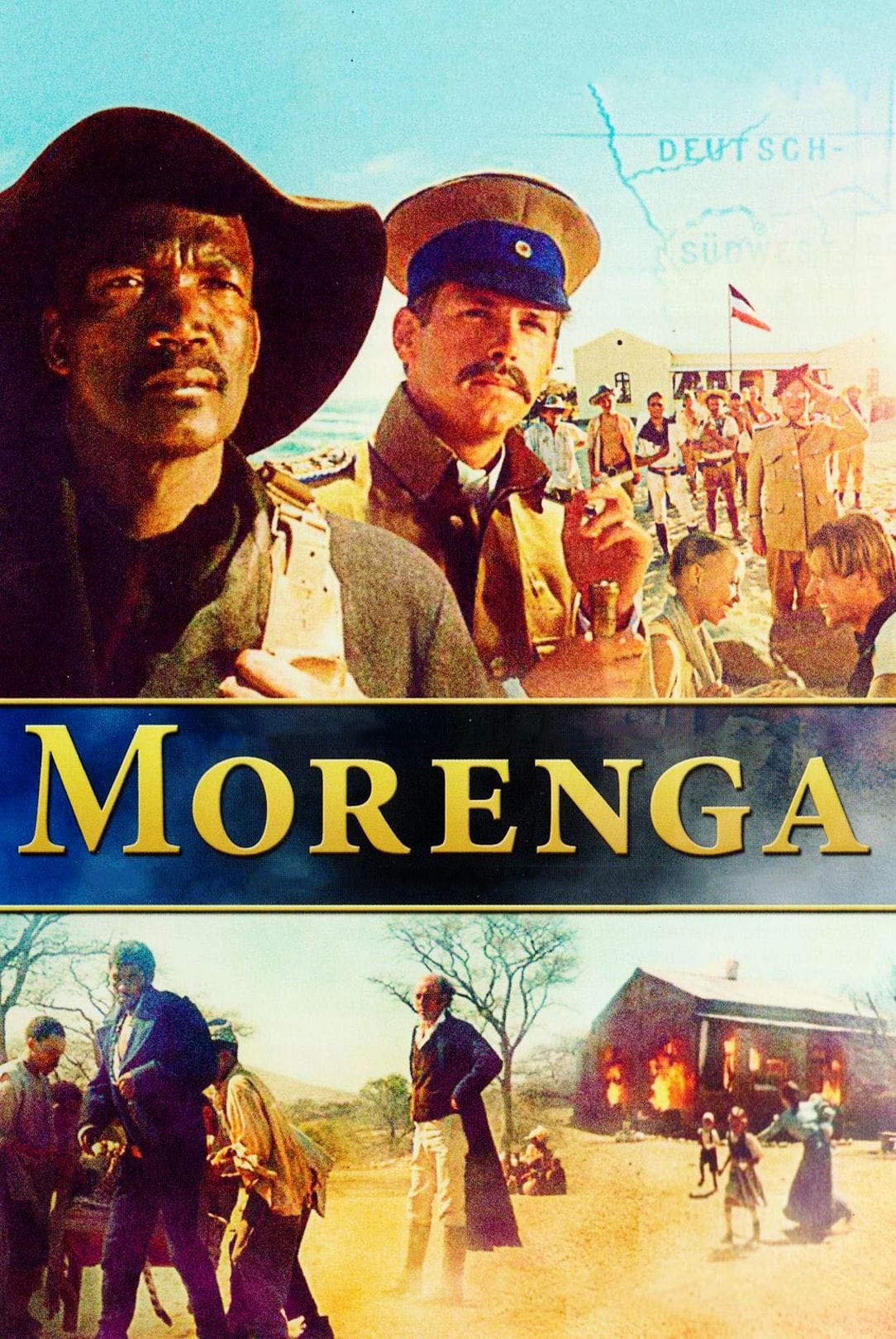
Morenga
Gottschalk and Wenstrup are two German veterinarians who have settled in German Southwest Africa to tend to the needs of cattle ranchers. When a rebellion by a local dissident named Morenga is brutally crushed by the Germans, the two vets get involved, at great risk to themselves, and offer help to the native revolutionaries.
Insights
Plot Summary
In 1904 German South-West Africa (modern-day Namibia), the indigenous Herero people face brutal colonial oppression by German settlers. Their leader, Samuel Morenga, becomes a symbol of resistance, leading a rebellion against the technologically superior but ruthless German forces. The film chronicles the uprising, the desperate struggle for survival, and the tragic consequences of the conflict.
Critical Reception
Morenga was critically acclaimed for its powerful depiction of a historical uprising and its anti-colonial message. It was praised for its stunning cinematography, strong performances, and unflinching portrayal of historical atrocities. The film resonated with audiences for its relevant themes of oppression and resistance.
What Reviewers Say
A visually striking and politically charged historical epic.
Effectively portrays the devastating impact of colonialism and the fight for freedom.
Features compelling performances that bring the historical struggle to life.
Google audience: Audience reviews for Morenga often highlight its historical significance and its powerful storytelling, with many appreciating its direct confrontation of colonial injustices and the bravery of its characters.
Awards & Accolades
Nominated for the Golden Bear at the 1985 Berlin International Film Festival.
Fun Fact
The film was shot on location in Namibia, adding to its authenticity and visual impact.
AI-generated overview · Verify ratings on official sources