
Illusions perdues
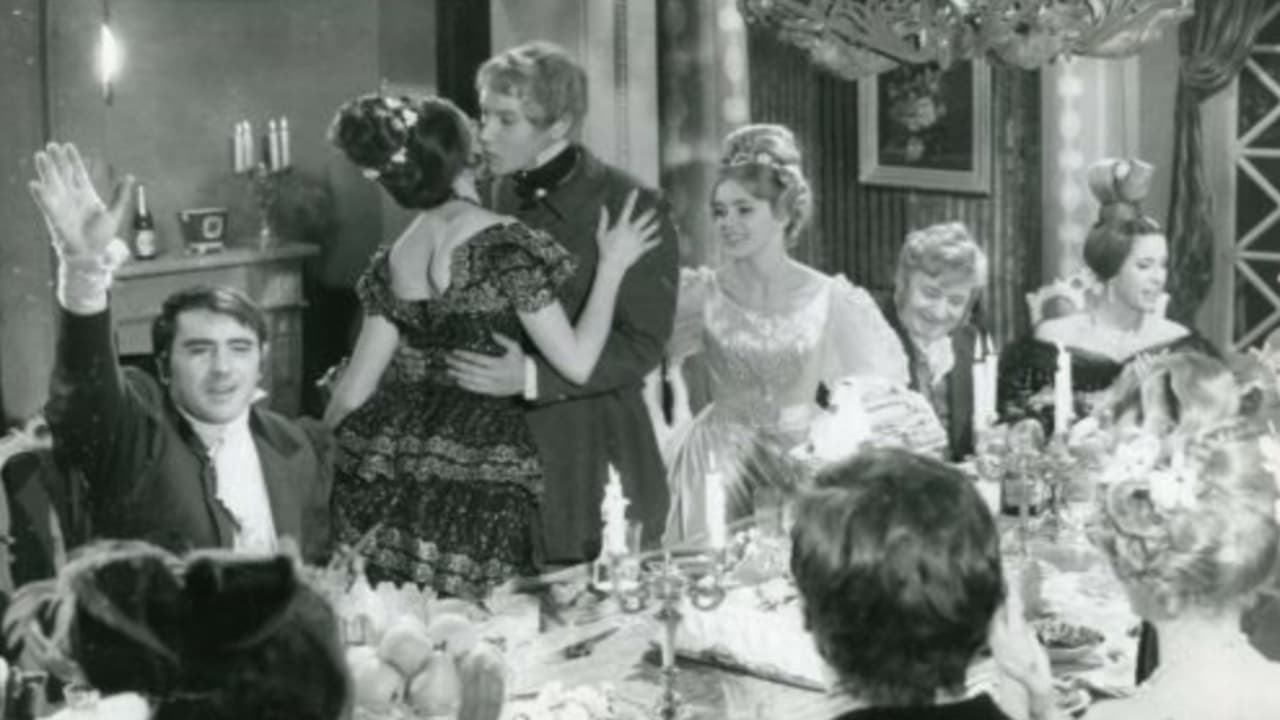
1819, Angouleme, France, a young ambitious poet, Lucien Chardon is introduced in the salon of Mme de Bargeton where meets the high society of the city. Lucien dreams of going to Paris to conquer the glory. But if Paris is the city where he can find fame, it is also that of great disappointments.
Insights
Plot Summary
Based on Honoré de Balzac's novel, the film follows the journey of Lucien de Rubempré, a young poet who leaves his provincial home for Paris in pursuit of fame and fortune. He becomes entangled in literary circles and high society, experiencing both the glittering allure and the harsh realities of ambition, love, and betrayal. His idealistic dreams clash with the corrupting influences of the city, leading him down a path of moral compromise.
Critical Reception
While "Illusions perdues" (1966) is a lesser-known adaptation compared to other Balzac works, it was generally received as a respectable, if somewhat conventional, cinematic interpretation of the complex novel. Critics at the time often noted its faithfulness to the source material's themes of ambition and societal critique, though some found its pacing or dramatic execution to be less impactful than the novel's original literary power.
What Reviewers Say
- Captures the spirit of Balzac's critique of ambition.
- A visually faithful, though sometimes slow-paced, adaptation.
- The performances effectively convey the moral struggles of the characters.
Google audience: Audience reception for this specific 1966 adaptation is not widely documented. However, general feedback on Balzac adaptations often praises their exploration of human nature and societal pressures, while sometimes noting the challenges in translating dense literary works to the screen.
Fun Fact
The 1966 film adaptation of "Illusions perdues" is one of several cinematic and television interpretations of Honoré de Balzac's celebrated novel, which itself is considered a seminal work in the realist literary movement.
AI-generated overview · Verify ratings on official sources