Insights
Plot Summary
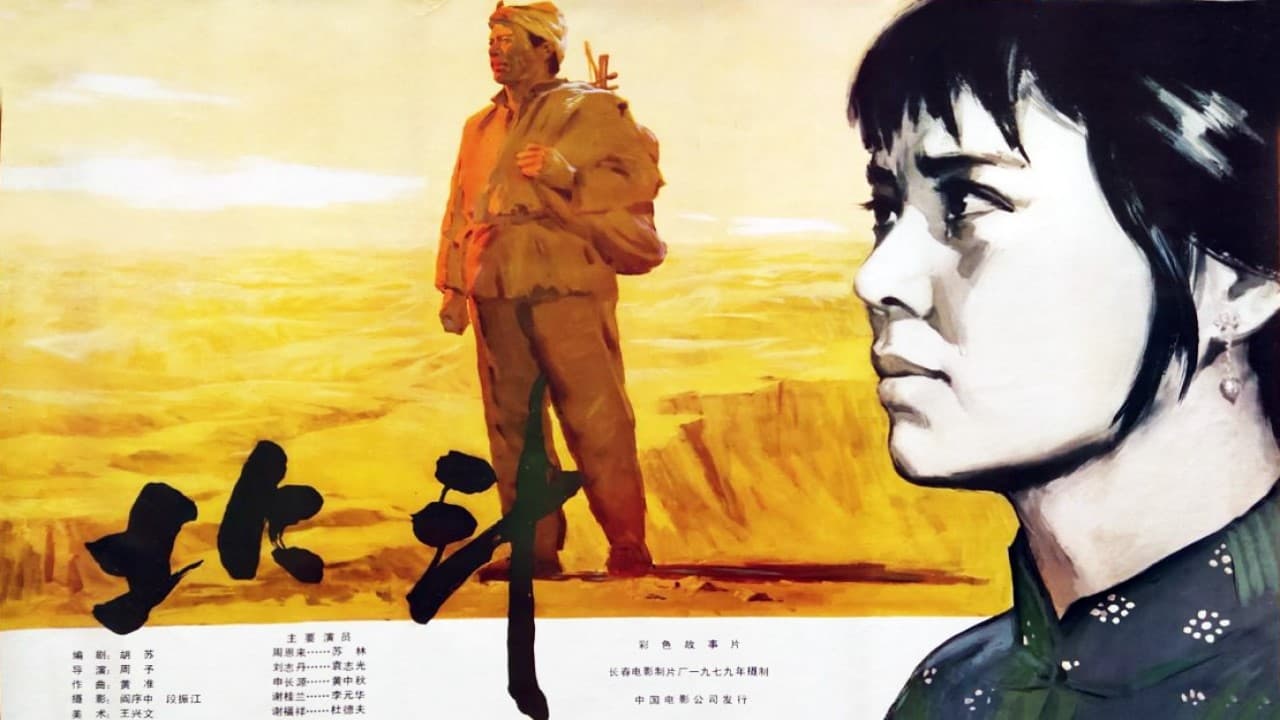
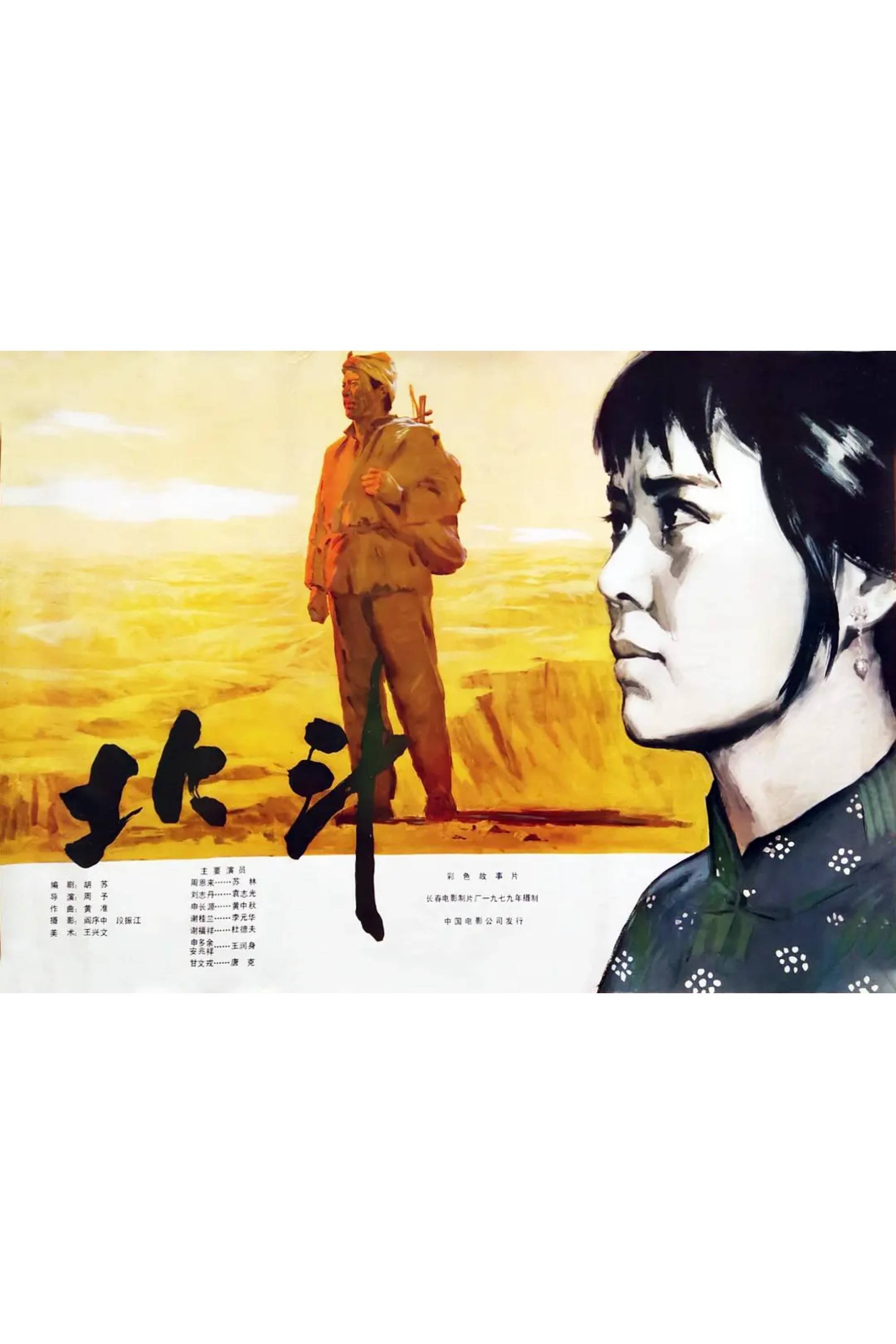
The film chronicles the events leading up to and during the Nanchang Uprising in 1927, a pivotal moment in the early history of the Chinese Communist Party. It depicts the complex political and military maneuvers among the revolutionary leaders as they planned and executed the uprising against the Kuomintang government. The narrative focuses on the ideological struggles and personal sacrifices made by those involved in this critical historical event.
Critical Reception
As a historical drama from the late 1970s in China, 'North of the Great Wall (Part 1)' was produced during a period of significant ideological and political shifts. It is viewed as a significant work for its portrayal of a key historical event, aiming to educate and inspire audiences with revolutionary narratives. While specific critical reviews from international sources are scarce, it is recognized within Chinese film history for its thematic importance and its role in shaping the cinematic representation of early revolutionary struggles.
What Reviewers Say
Praised for its historical significance and depiction of the Nanchang Uprising.
Appreciated for its portrayal of revolutionary fervor and leadership.
Seen as an important piece of Chinese historical cinema from its era.
Google audience: Audience reception is generally positive within the context of its historical and political importance in China, viewed as an educational film about a foundational event.
Fun Fact
The film is the first part of a two-part series, with the second part titled '北斗 (下)' (North of the Great Wall (Part 2)), continuing the historical narrative.
AI-generated overview · Verify ratings on official sources