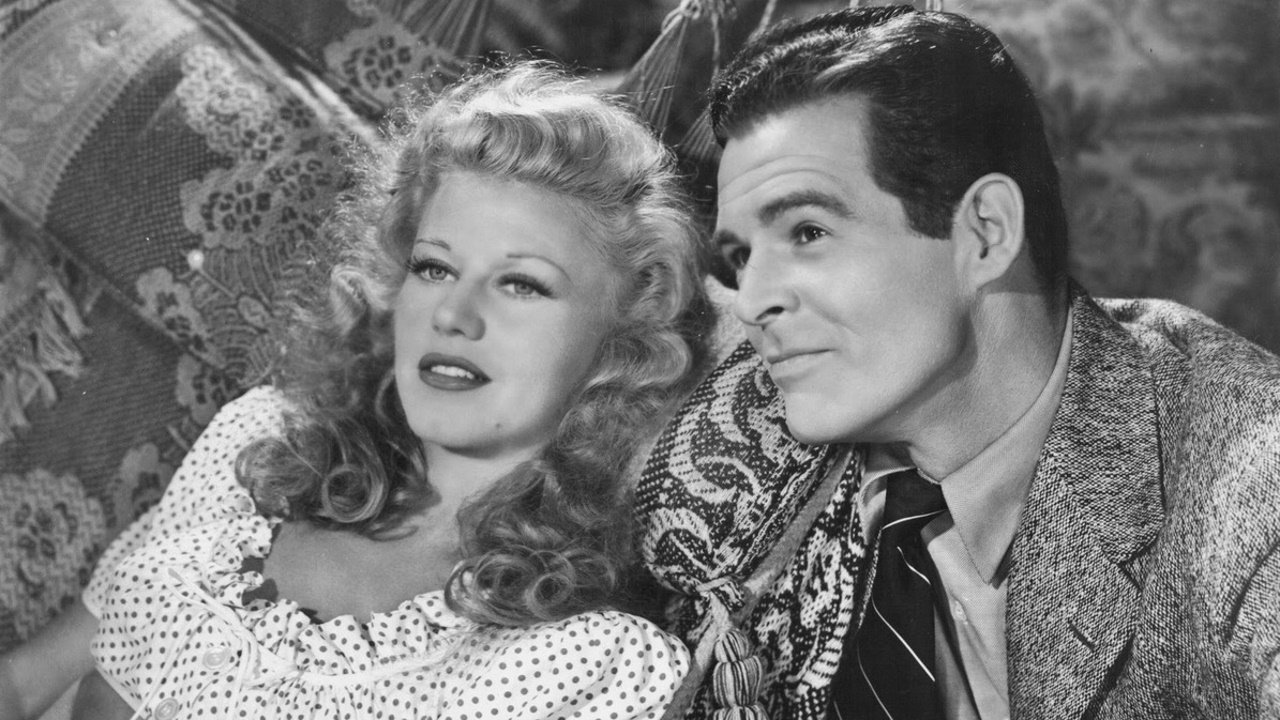

Tender Comrade
Jo Jones, a young defense plant worker whose husband is in the military during World War II, shares a house with three other women in the same situation.
Insights
Plot Summary
During World War II, six women, including war correspondent Barbara Chase, decide to pool their resources and share a large house in Hollywood to save money and cope with wartime shortages. They form a unique commune, supporting each other through the anxieties of war, love, and loss. The film explores their daily lives, their dreams, and their resilience in the face of uncertainty.
Critical Reception
Tender Comrade received a mixed reception upon its release. While some critics appreciated its attempt to portray the home front experience and the camaraderie among women during wartime, others found its narrative somewhat sentimental and its depiction of the commune's formation and dynamics less convincing. Audiences, however, were drawn to the film's themes of unity and perseverance during a difficult period.
What Reviewers Say
- Praised for its depiction of female solidarity and wartime challenges.
- Criticized for a sometimes overly sentimental or unrealistic portrayal of the communal living aspect.
- Recognized for its timely themes relevant to the home front during World War II.
Google audience: Audience response on Google is not readily available for this film. However, historical context suggests it resonated with audiences seeking stories of resilience and shared hardship during wartime.
Fun Fact
The film was one of the first Hollywood productions to openly depict a group of single women living together in a communal household, a somewhat unconventional arrangement for its time, intended to reflect the shared sacrifices of the home front during World War II.
AI-generated overview · Verify ratings on official sources