
Gods of the Plague
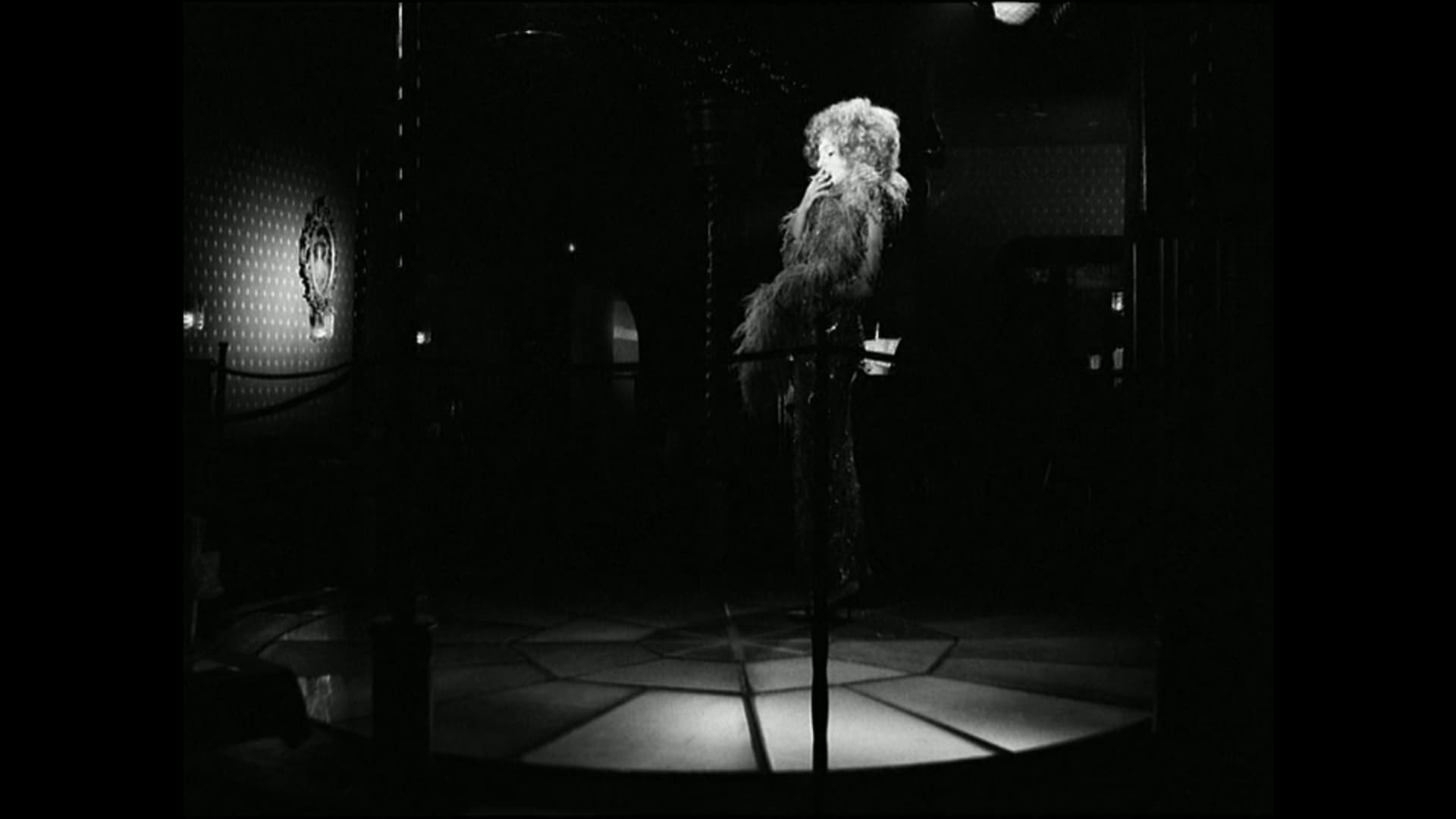
After his release from prison, ex-convict Franz Walsch finds his way back into the Munich criminal underworld. His attentions focus upon two women, Joanna and Margarethe, as well as upon Günther, his friend who earlier shot his brother.
Insights
Plot Summary
Franz, a petty thief, is released from prison and finds himself entangled with his girlfriend, Margit, and a wealthy businessman, while simultaneously being pursued by the police. As he attempts to go straight, he is drawn back into a world of crime and manipulation, leading to a violent and tragic conclusion.
Critical Reception
Gods of the Plague is considered an early, raw, and somewhat chaotic work by Rainer Werner Fassbinder, showcasing his signature thematic concerns with power, alienation, and the destructive nature of relationships within a stylized, almost theatrical, cinematic framework. While not as polished as his later masterpieces, it is recognized for its visceral energy and bold exploration of societal undercurrents.
What Reviewers Say
- Praised for its raw energy and early Fassbinder style.
- Acknowledged for its exploration of criminal underworlds and failed relationships.
- Noted as a significant, albeit rough, entry in Fassbinder's filmography.
Google audience: Audience reviews are scarce for this early Fassbinder film, but those available often highlight its intense atmosphere and bleak portrayal of its characters' lives.
Fun Fact
Gods of the Plague was shot in just 24 days with a very low budget, a common practice for Fassbinder in his prolific early career.
AI-generated overview · Verify ratings on official sources