Movie spotlight
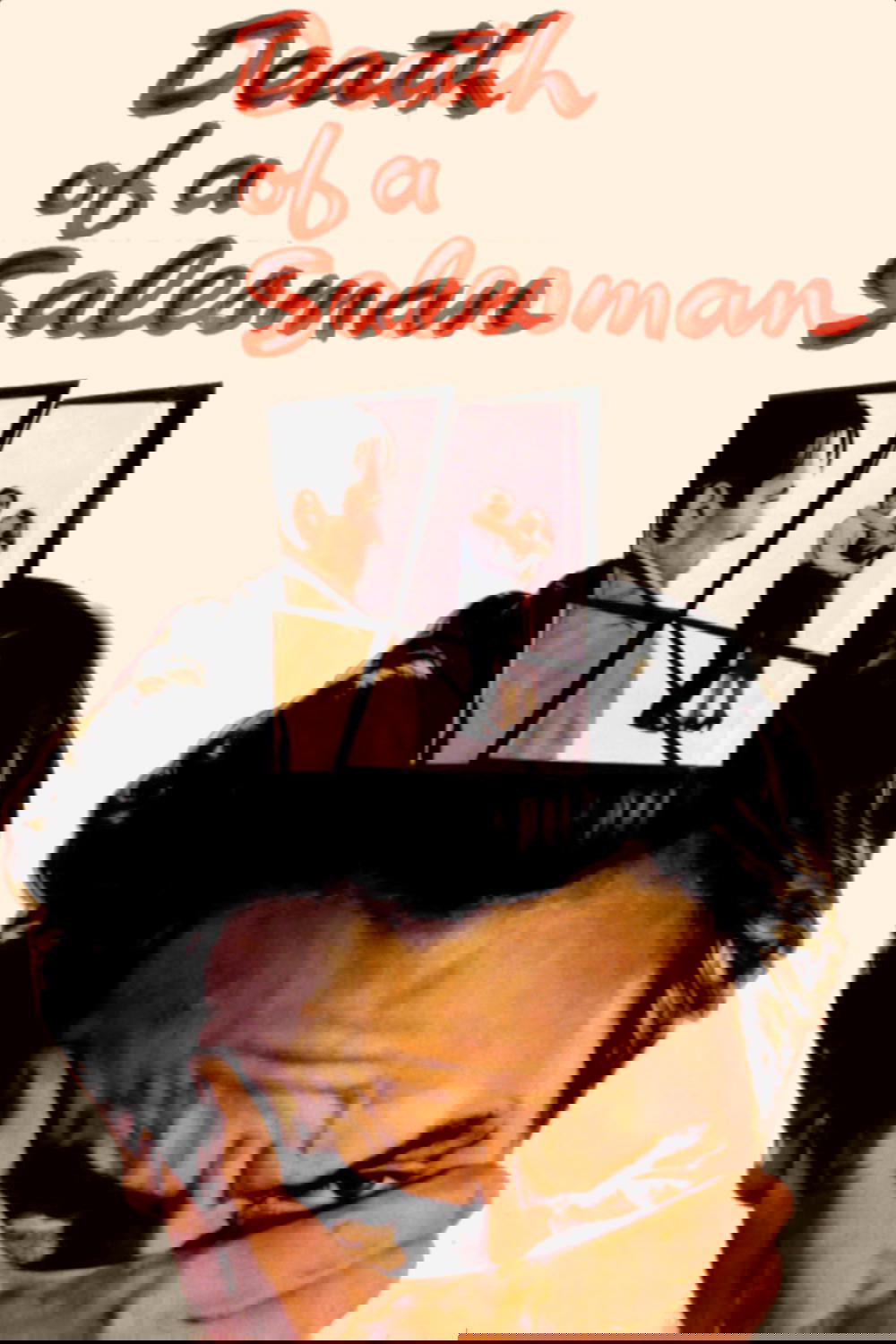
Death of a Salesman
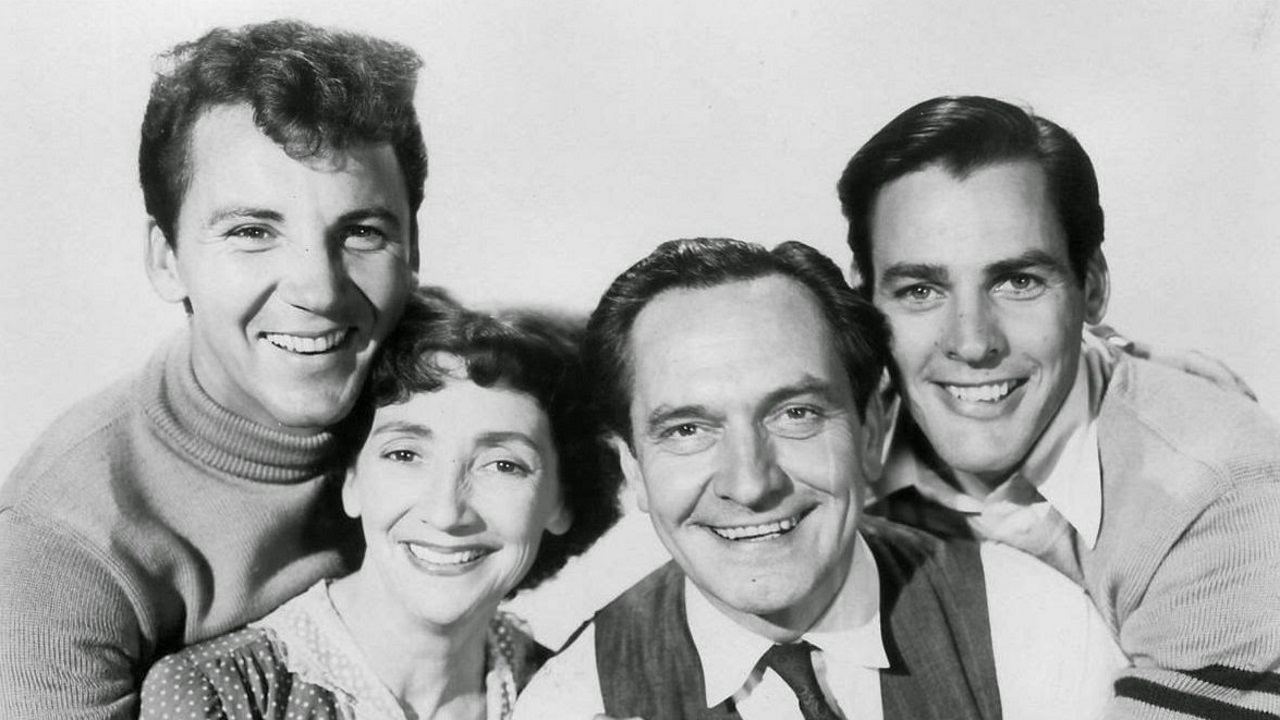
Willy Loman, an aging, failing salesman, struggles to accept reality and his failure to achieve the American Dream.
Insights
Plot Summary
Willy Loman, a traveling salesman on the verge of retirement, grapples with disillusionment and the failure of his American Dream. Haunted by regrets and strained relationships with his sons, Biff and Happy, Willy's grip on reality deteriorates as he reflects on his past successes and perceived failures. The film explores themes of ambition, betrayal, and the elusive nature of happiness.
Critical Reception
The 1951 film adaptation of Arthur Miller's seminal play was met with significant critical acclaim, lauded for its faithful portrayal of the source material and powerful performances. It is considered a landmark cinematic achievement in American drama, capturing the zeitgeist of post-war disillusionment.
What Reviewers Say
Fredric March delivers a tour-de-force performance as the tragic Willy Loman.
The film masterfully translates the play's emotional depth and thematic resonance to the screen.
A poignant and somber examination of the American Dream and its potential for devastation.
Google audience: Audiences consistently praise the film's powerful acting, particularly Fredric March's portrayal of Willy Loman, and its enduring relevance in exploring themes of family and societal pressure. Many find the story deeply moving and thought-provoking.
Awards & Accolades
Nominated for 3 Academy Awards, including Best Actor (Fredric March), Best Supporting Actress (Mildred Dunnock), and Best Cinematography. Fredric March won the Volpi Cup for Best Actor at the Venice Film Festival.
Fun Fact
Arthur Miller's original stage play won the Pulitzer Prize for Drama in 1949, making the film adaptation highly anticipated and critically scrutinized for its fidelity to the award-winning source material.
AI-generated overview · Verify ratings on official sources