
Movie spotlight
Jane Eyre
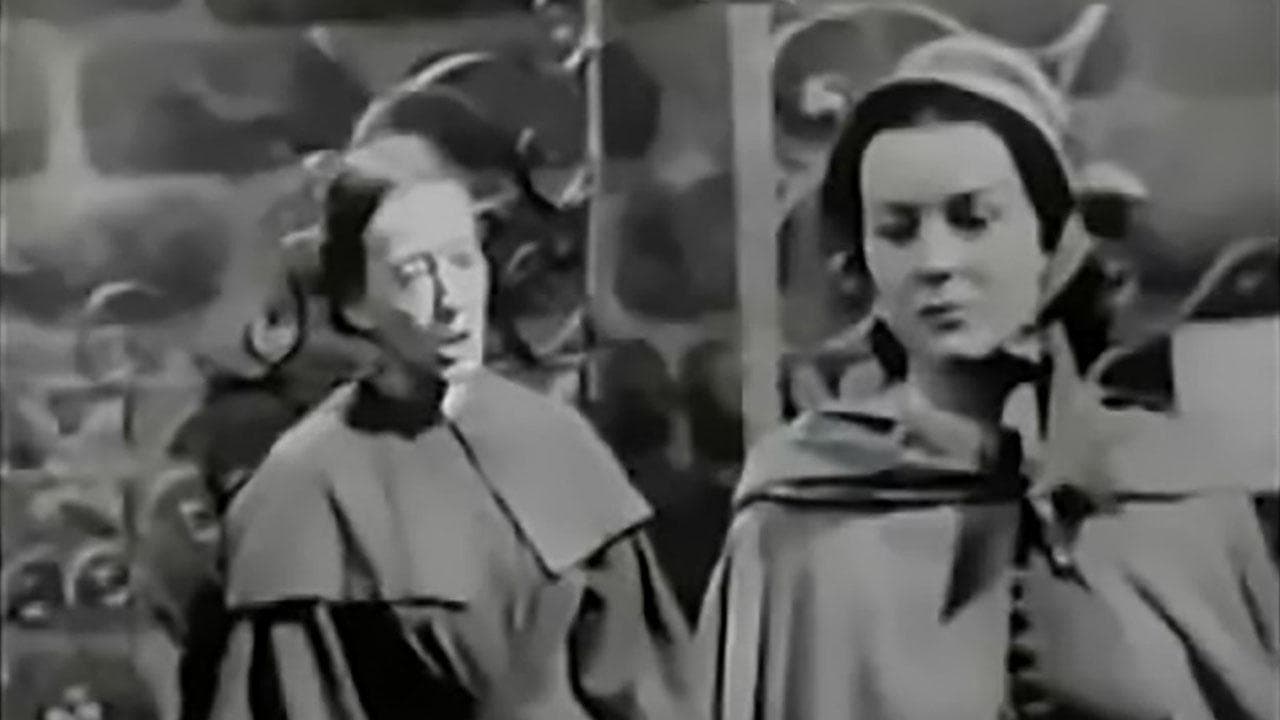
After a bleak childhood, Jane Eyre goes out into the world to become a governess. As she lives happily in her new position at Thornfield Hall, she meets the dark, cold, and abrupt master of the house, Edward Rochester. Jane and her employer grow close in friendship and she soon finds herself falling in love with him. Happiness seems to have found Jane at last, but could Rochester's terrible secret be about to destroy it forever?
Insights
Plot Summary
The orphaned Jane Eyre endures a harsh upbringing in a cruel boarding school before becoming a governess at Thornfield Hall. There, she falls deeply in love with the brooding master of the house, Mr. Rochester. Their passionate romance is threatened by dark secrets from Rochester's past, forcing Jane to confront difficult truths about love, independence, and her own identity.
Critical Reception
The 1943 adaptation of "Jane Eyre" was generally well-received by critics for its atmospheric direction, strong performances, and faithful adaptation of the beloved novel. Orson Welles' portrayal of Mr. Rochester was particularly praised, although some found Joan Fontaine's Jane Eyre a bit too passive. The film captured the gothic mood and romantic intensity of Charlotte Brontë's story, making it a notable entry in literary adaptations.
What Reviewers Say
Praised for its rich atmosphere and gothic tone.
Orson Welles' performance as Rochester was a standout.
The film successfully captures the essence of Charlotte Brontë's novel.
Google audience: Audience reviews generally highlight the film's enduring romantic appeal and the compelling performances, particularly Orson Welles. Viewers appreciate its faithful adaptation and the palpable tension between the lead characters.
Fun Fact
Orson Welles was reportedly cast as Mr. Rochester after he met producer David O. Selznick on a train and casually discussed his admiration for the novel.
AI-generated overview · Verify ratings on official sources