Movie spotlight
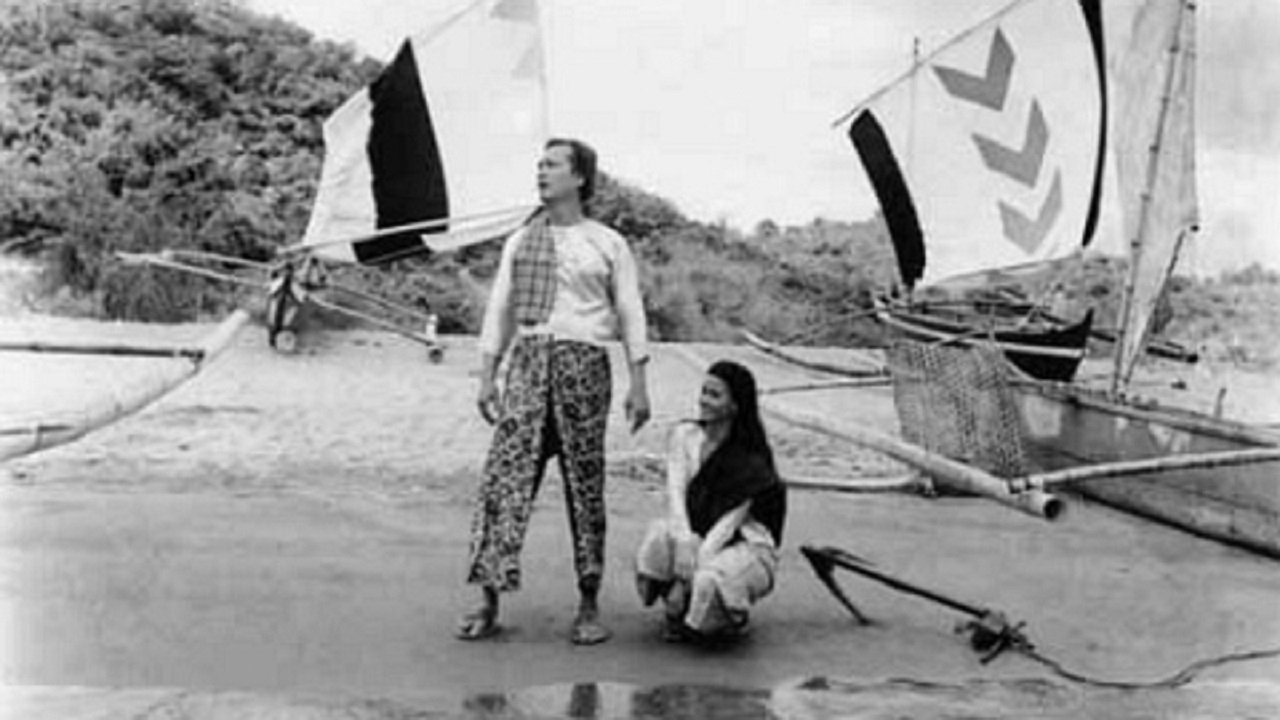
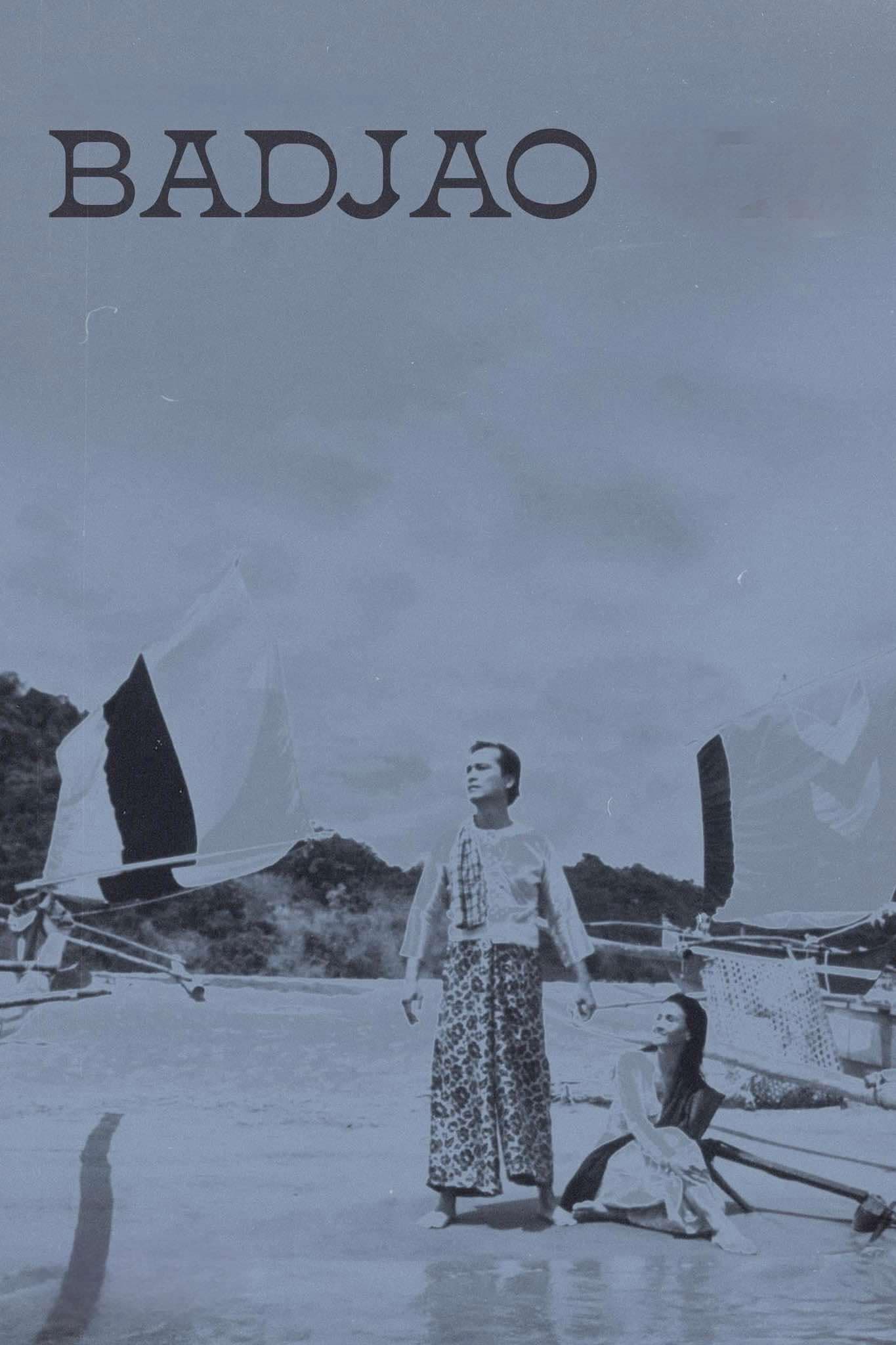
Badjao
Hassan, the son of a tribe chief of the Badjaos, a pagan, sea-dwelling Filipino tribe, meets and falls for Bala Amai, the niece of the chief of the Tausugs, an Islamic, land-dwelling tribe. Although the Hassan is willing to give up his lifestyle for Bala Amai and vice versa, the Tausugs plot to break up the union of the happy couple.
Insights
Plot Summary
Set against the backdrop of the nomadic seafaring Badjao people of the Philippines, the story follows the forbidden love between a young Badjao man and a village girl. Their union is challenged by tribal customs and the encroaching modern world, forcing them to confront tradition and external pressures. The film explores themes of love, sacrifice, and the clash between cultural heritage and societal change.
Critical Reception
Badjao was a significant film in Philippine cinema, praised for its cultural depiction and romantic storyline. It garnered attention for showcasing the unique lifestyle of the Badjao people, though some critics noted dramatic liberties taken for cinematic effect. It was a popular film that resonated with audiences for its heartfelt narrative and visual representation of a distinct Philippine culture.
What Reviewers Say
Praised for its authentic portrayal of the Badjao culture and lifestyle.
Applauded for its poignant romantic narrative and dramatic performances.
Noted for its visual beauty in depicting the Philippine seascapes and traditional communities.
Google audience: Audience reception data for this classic Filipino film is not readily available in a consolidated format.
Fun Fact
The film "Badjao" was one of the pioneering Filipino films to extensively showcase the traditional way of life of the Badjao people, often referred to as 'sea gypsies,' thereby bringing their unique culture to a wider audience.
AI-generated overview · Verify ratings on official sources