Movie spotlight
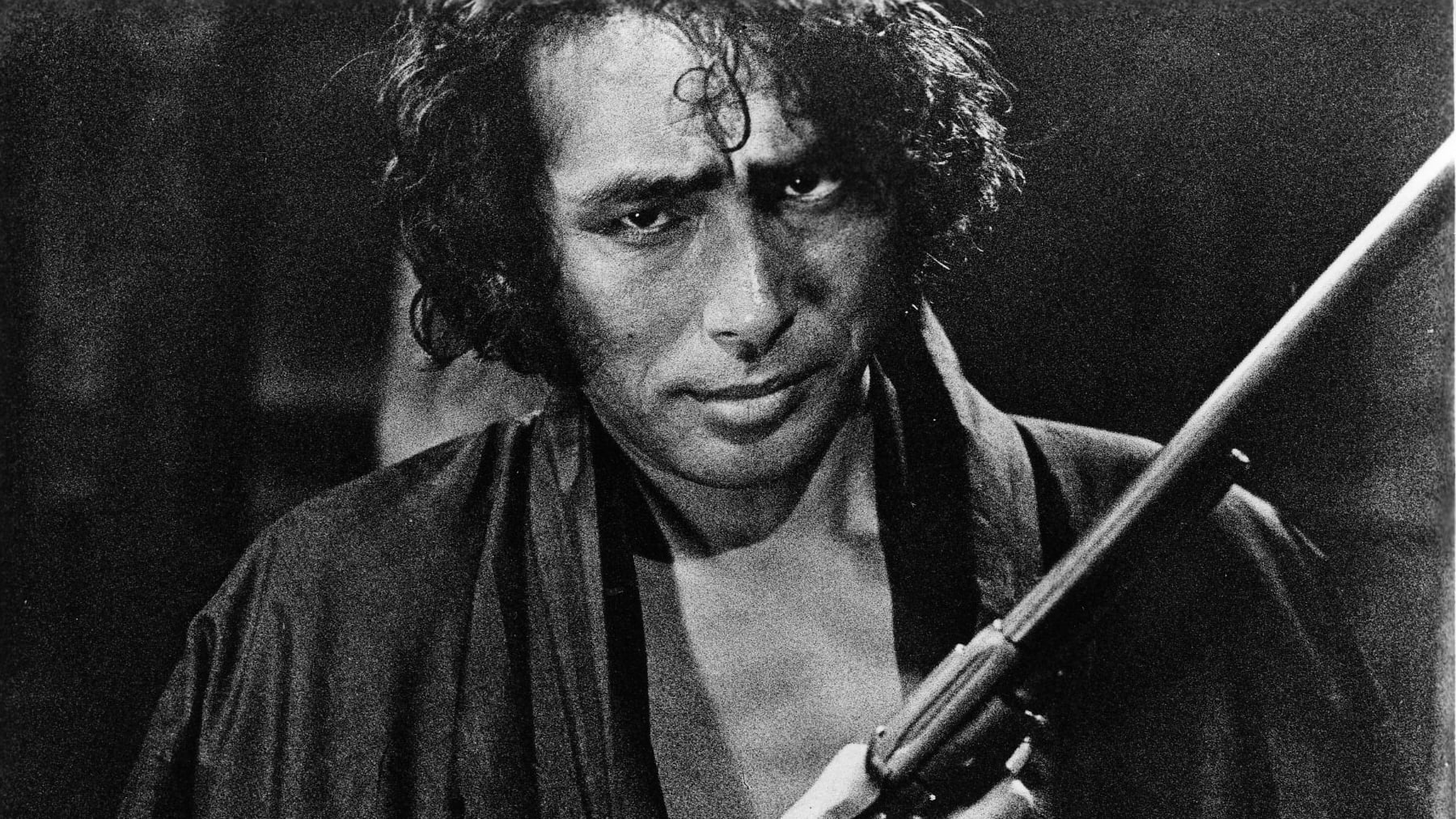
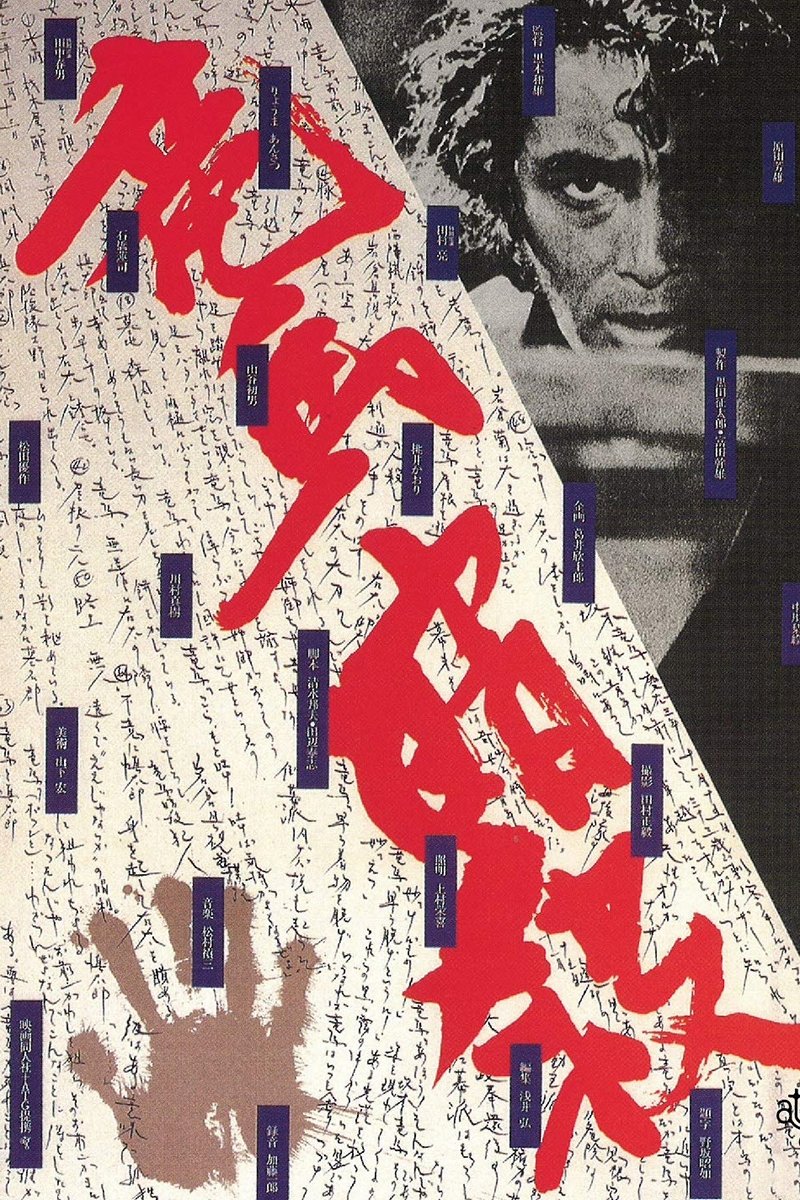
The Assassination of Ryoma
Story of the last three days in the life of Sakamoto Ryoma (1836-1867), the imperial loyalist who tried to unite the Choshu and Satsuma clans and prepared the way for the Meiji Restoration (1868).
Insights
Plot Summary
This historical drama depicts the turbulent Bakumatsu period in Japan, focusing on the political machinations and personal struggles surrounding the assassination of Sakamoto Ryoma. Ryoma, a visionary figure, attempts to bridge the divide between imperial loyalists and the Tokugawa Shogunate, facing opposition from both sides. The film explores the complex motivations and betrayals that ultimately lead to his tragic demise, highlighting the profound impact his death had on Japan's future.
Critical Reception
The film received a generally positive reception for its historical accuracy and strong performances, particularly from Tatsuya Nakadai. It is considered a significant work in Japanese historical cinema, appreciated for its nuanced portrayal of a pivotal moment in the nation's modernization. While not a mainstream blockbuster, it has garnered respect among critics and historians for its depth and artistic merit.
What Reviewers Say
Praised for its detailed depiction of the Bakumatsu era.
Tatsuya Nakadai's performance as Ryoma is a standout.
Critiqued by some for its deliberate pacing.
Google audience: Audience reviews are scarce for this historical drama, but general sentiment often points to its significant historical value and Nakadai's compelling portrayal. Some viewers find the film's length and focus on political intrigue to be demanding.
Fun Fact
The film is based on the true events surrounding the assassination of Sakamoto Ryoma, a highly influential samurai and merchant who played a key role in the Meiji Restoration.
AI-generated overview · Verify ratings on official sources