Movie spotlight
Vasylyna
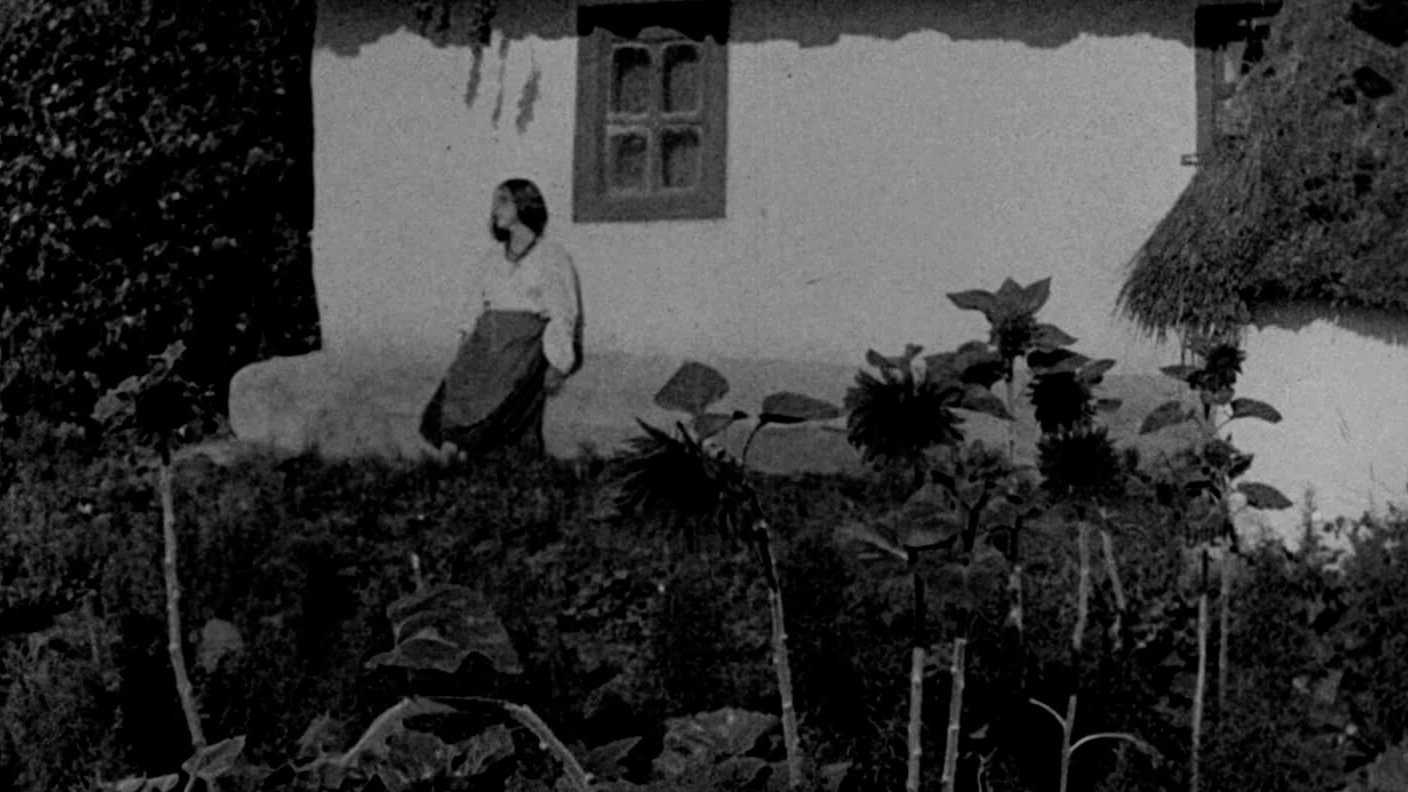
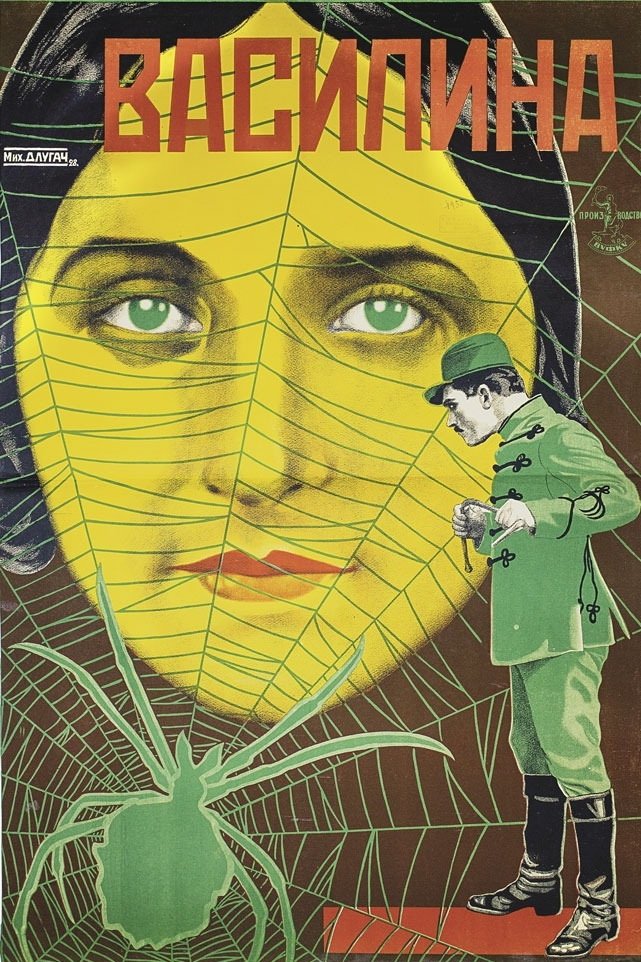
The film is based on I. Nechui-Levystkyi’s work The Bargewoman. From dawn till dusk from early childhood, Vasylyna has been working on Pan Jastrzebski’s fields. The young nobleman likes the beautiful girl, and she starts working in his home as a maid. Vasylyna’s happiness does not last long: the man marries a girl of his social class. Vasylyna’s fiancé Vasyl, who feels insulted because of her unfaithfulness, instigates guys to cut off the braid of the landlord’s mistress. Vasylyna runs away from the village and hides from people. Soon, she gives birth to a child who dies shortly. Female workers from a factory find barely alive Vasylyna and help her become a weaver. Vasylyna starts a new life.
Insights
Plot Summary
This silent film tells the story of Vasylyna, a young woman from a Ukrainian village whose life is transformed by the revolution. The film explores her journey from a traditional rural existence to embracing the new Soviet era. It showcases the challenges and opportunities presented by societal change through her personal experiences and relationships.
Critical Reception
As an early work by Alexander Dovzhenko, 'Vasylyna' is often viewed as a precursor to his more celebrated films. While specific contemporary critical reviews are scarce due to the era and nature of silent film distribution, it is recognized for its early artistic experimentation and thematic exploration of Ukrainian village life amidst political upheaval. Audiences at the time would have experienced it as part of a wave of Soviet cinema aimed at national identity and revolutionary spirit.
What Reviewers Say
Appreciated for its early visual style and exploration of rural Ukrainian life.
Seen as an important step in Dovzhenko's developing directorial voice.
Reflects the socio-political themes prevalent in early Soviet cinema.
Google audience: Information regarding specific Google user reviews for 'Vasylyna (1927)' is not readily available due to its age and status as a silent film.
Fun Fact
While 'Vasylyna' is an early work, Alexander Dovzhenko's later films like 'Earth' (1930) and 'Ivan' (1932) are considered masterpieces of Soviet cinema and are more widely recognized for their artistic and political impact.
AI-generated overview · Verify ratings on official sources