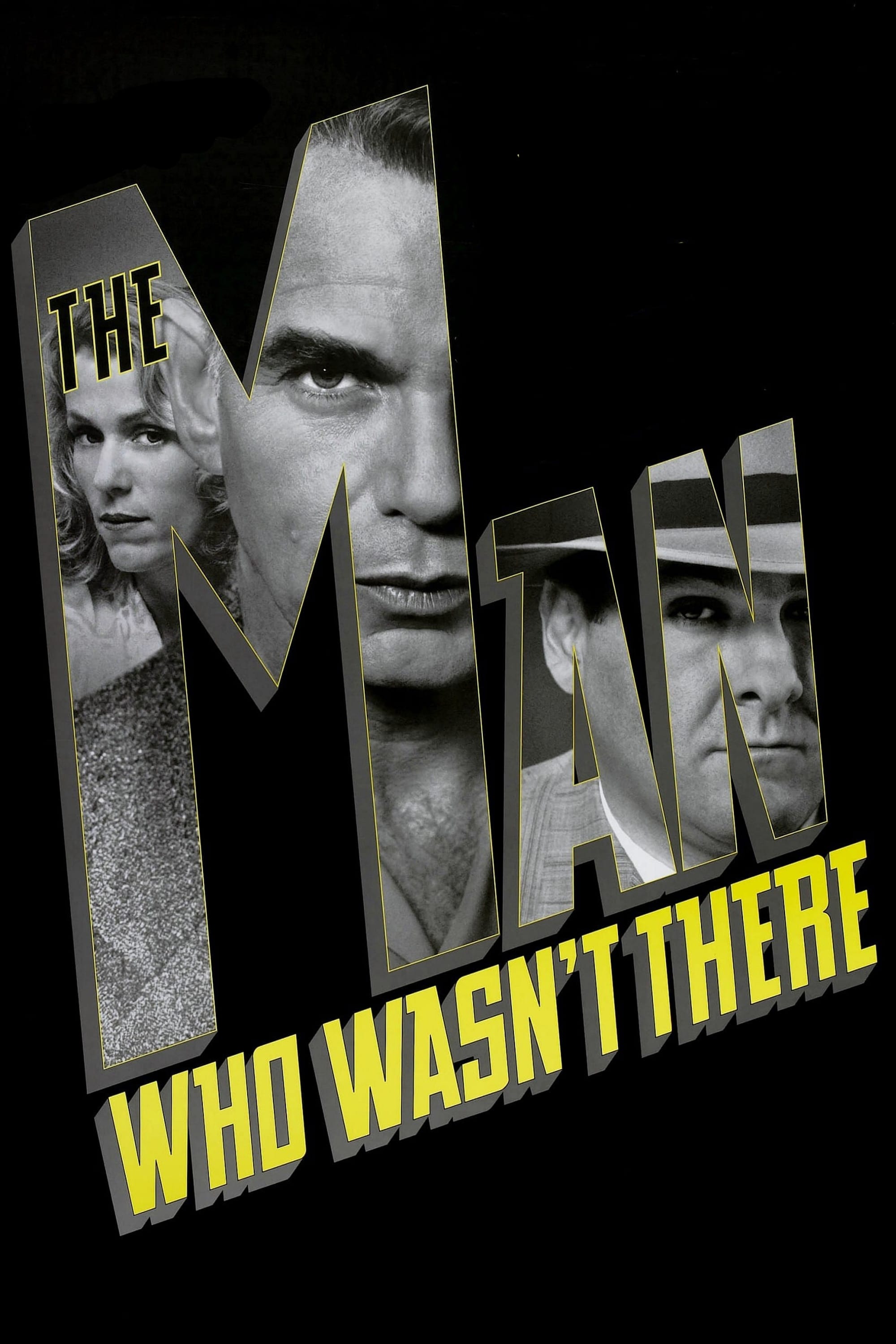

The Man Who Wasn't There
A tale of murder, crime and punishment set in the summer of 1949. Ed Crane, a barber in a small California town, is dissatisfied with his life, but his wife Doris' infidelity and a mysterious opportunity presents him with a chance to change it.
Insights
Plot Summary
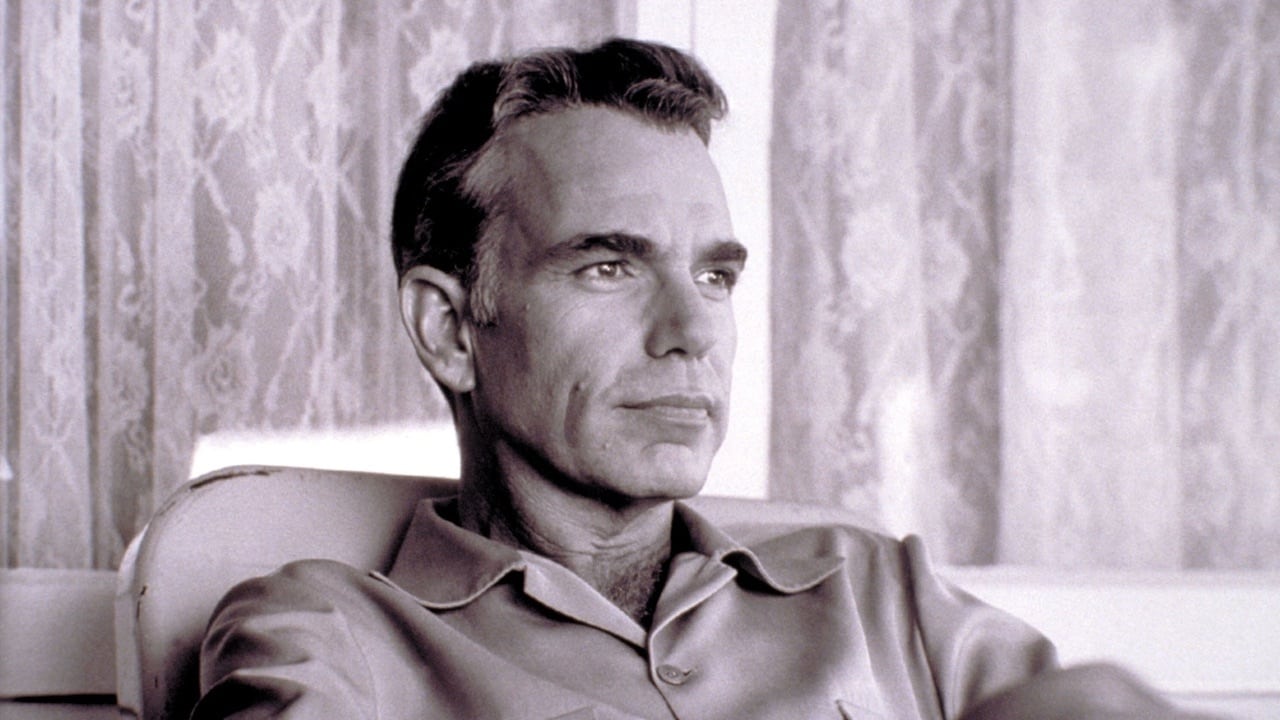
In a dry, sun-baked California town in 1949, a stoic barber named Ed Crane becomes entangled in a web of deceit after a mysterious drifter offers him a lucrative blackmail scheme. Ed's life unravels as he is drawn into a murder, a trial, and a series of increasingly desperate actions to escape his predicament. The film explores themes of fate, guilt, and existential dread through its stark black-and-white visuals and a brooding narrative.
Critical Reception
The Man Who Wasn't There received generally positive reviews from critics, who praised its stylish direction, distinctive black-and-white cinematography, and Billy Bob Thornton's performance. Some critics found the film's deliberate pacing and bleak tone to be less engaging, but it was widely recognized for its artistic merit and the Coen brothers' unique vision.
What Reviewers Say
- Praised for its atmospheric black-and-white cinematography and neo-noir style.
- Billy Bob Thornton's performance as the laconic barber was a highlight.
- Some found the pacing slow and the narrative bleak, but appreciated its artistic ambition.
Google audience: Audiences appreciated the film's stylish visual presentation and the Coen brothers' signature dark humor. However, some viewers found the plot slow and the overall tone too somber for their taste.
Awards & Accolades
Billy Bob Thornton was nominated for the Golden Globe Award for Best Actor – Motion Picture Drama.
Fun Fact
The film was shot in black and white, not as a stylistic choice after the fact, but as part of the original conception by the Coen brothers who were heavily influenced by the noir films of the 1940s.
AI-generated overview · Verify ratings on official sources