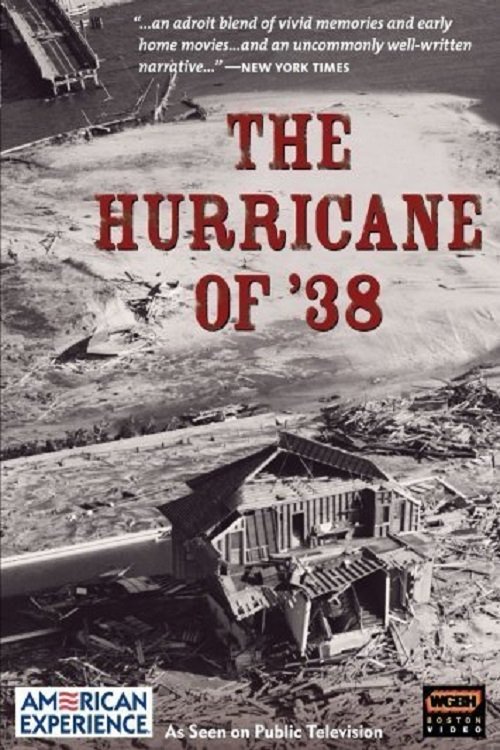
The Hurricane of '38
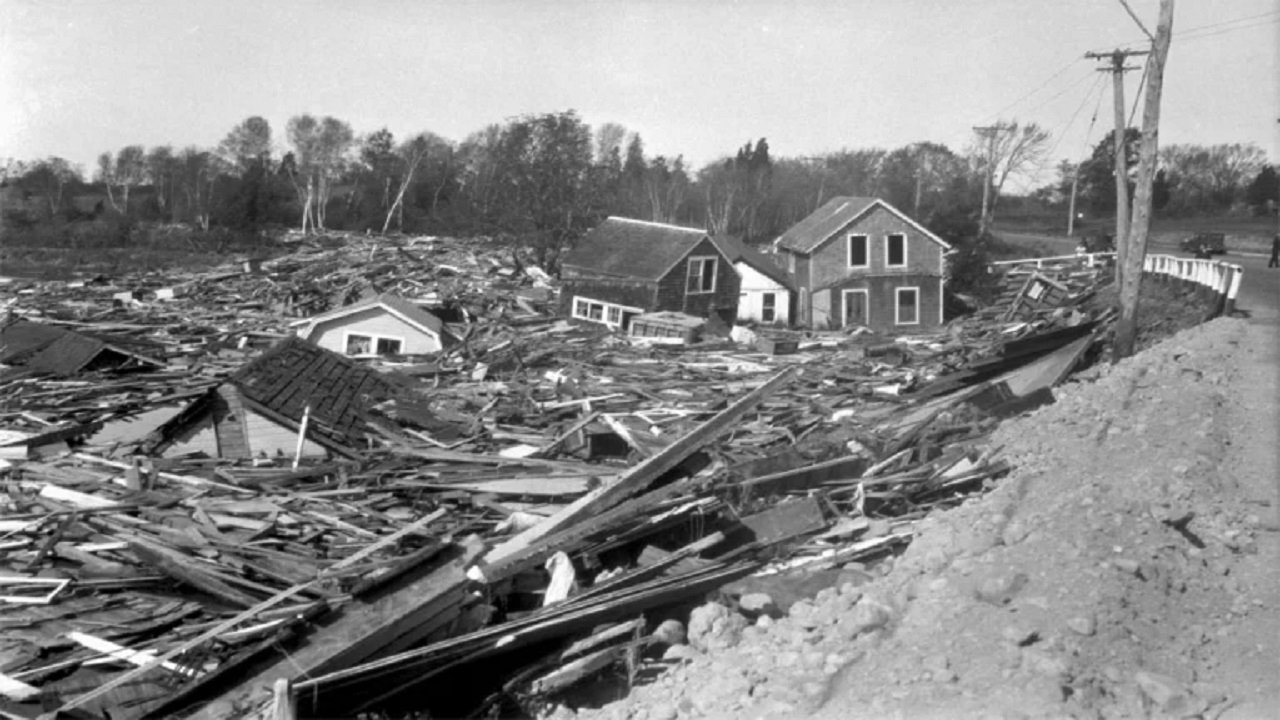
In September of 1938, a great storm rose up on the coast of West Africa and began making its way across the Atlantic Ocean. The National Weather Bureau learned about it from merchant ships at sea and predicted it would blow itself out at Cape Hatteras, North Carolina, as such storms usually did. Within 24 hours, the storm ripped into the New England shore with enough fury to set off seismographs in Sitka, Alaska. Traveling at a shocking 60 miles per hour -- three times faster than most tropical storms -- it was astonishingly swift and powerful, with peak wind gusts up to 186 mph. Over 600 people were killed, most by drowning. Another hundred were never found. Property damage was estimated at $400 million -- over 8,000 homes were destroyed, 6,000 boats wrecked or damaged.
Insights
Plot Summary
This made-for-television film chronicles the devastating impact of the Great New England Hurricane of 1938 on a small Massachusetts town. It follows the lives of the inhabitants as they struggle to survive the storm's fury and its aftermath, highlighting themes of community, resilience, and loss. The narrative focuses on the personal stories within the larger historical event.
Critical Reception
The Hurricane of '38 was generally well-received by critics for its historical accuracy and emotional impact. It was praised for its portrayal of the disaster and the human stories within it, though some found the pacing occasionally slow. The film effectively captured the devastation and the spirit of survival.
What Reviewers Say
- Praised for its depiction of a significant historical event.
- Appreciated for its focus on the human drama and resilience.
- Some noted that the drama felt somewhat understated.
Google audience: Audience reception information is not widely available.
Fun Fact
The film was based on the devastating Great New England Hurricane of 1938, which caused widespread destruction and loss of life across New England.
AI-generated overview · Verify ratings on official sources