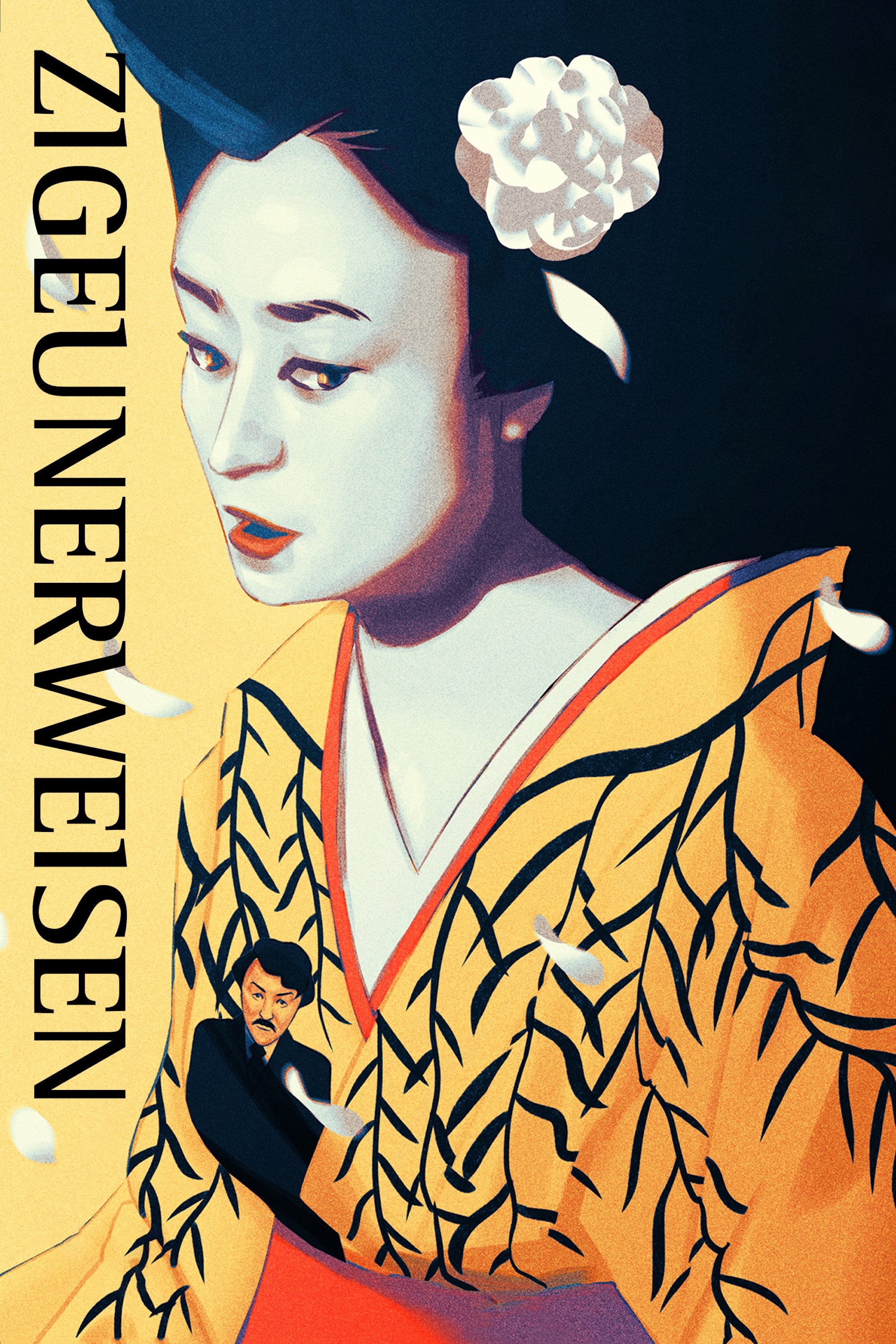
Zigeunerweisen
Zigeunerweisen

Zigeunerweisen

1980Movie144 minJapanese

A surreal period film following a university professor and his eerie nomad friend as they go through loose romantic triangles and face death in peculiar ways.

Read Reviews

Insights

IMDb7.3/10
Rotten Tomatoes95%
Metacritic85/100
Google Users92%
Director: Seijun SuzukiGenres: Drama, Mystery, Romance

Plot Summary

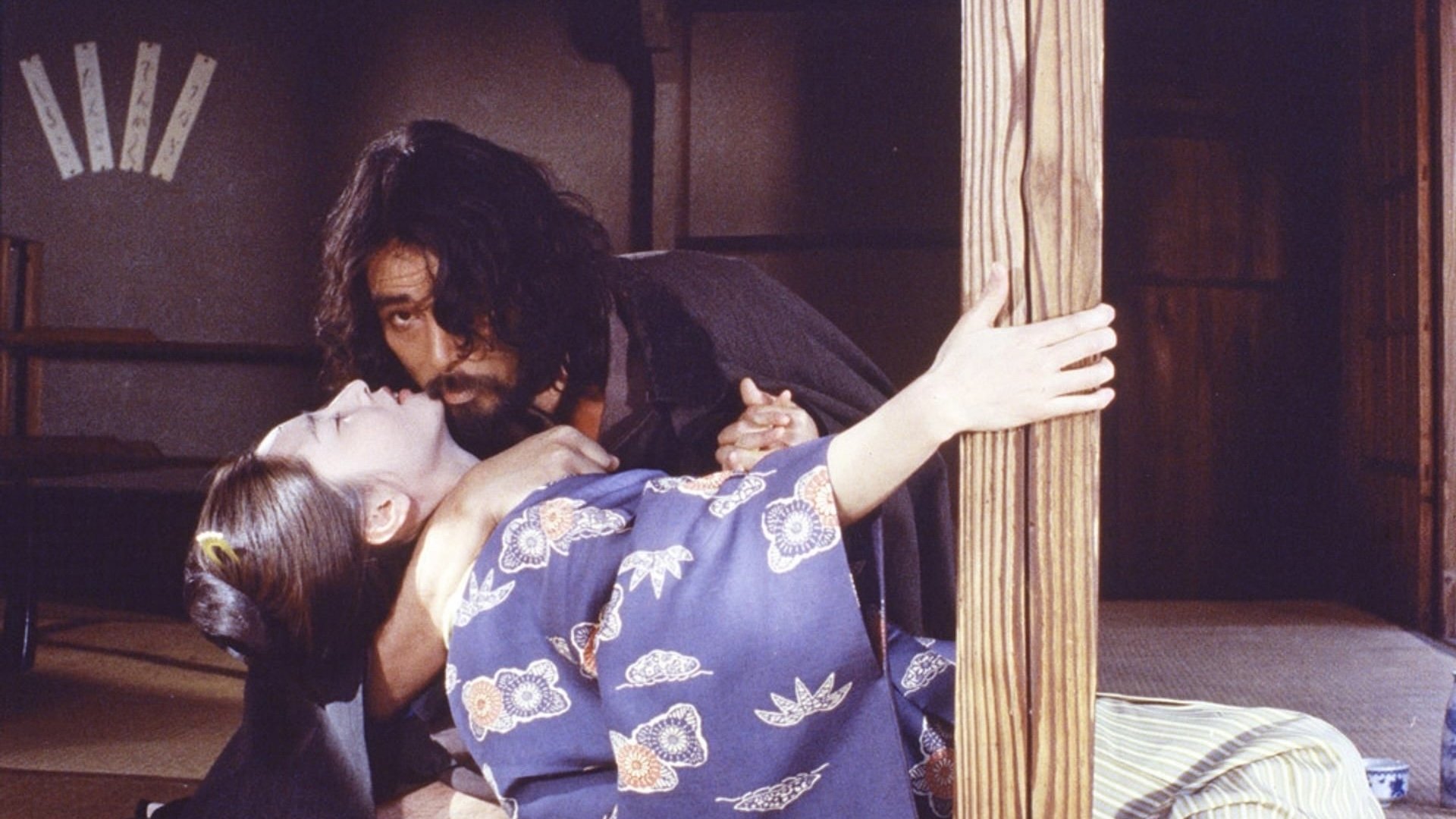
In this visually striking and enigmatic film, a former army surgeon, now a bohemian wanderer, becomes entangled with a mysterious woman and a haunting melody. As their lives intersect with a charismatic Roma violinist, themes of love, betrayal, and existential longing unfold against a backdrop of shifting realities and dreamlike sequences. The narrative, inspired by the works of Hiro-Otsu, explores the blurred lines between memory, fantasy, and the search for meaning.

Critical Reception

Zigeunerweisen was met with critical acclaim, particularly for its audacious visual style, surreal narrative, and evocative atmosphere. It is widely regarded as a masterpiece of Japanese cinema and a testament to Seijun Suzuki's unique directorial vision. The film was a significant artistic achievement, earning awards and cementing Suzuki's reputation as an auteur.

What Reviewers Say

  • Praised for its stunning, surreal visuals and enigmatic narrative.
  • Celebrated for its exploration of themes such as love, betrayal, and identity.
  • Acclaimed as a significant work of Japanese avant-garde cinema.

Google audience: Google users largely appreciate the film's artistic merit and striking visual presentation. Many found the surreal narrative and atmospheric storytelling to be captivating and thought-provoking, even if occasionally challenging to follow. The unique directorial style is a common point of praise.

Awards & Accolades

Won the Golden Leopard at the Locarno International Film Festival and the Blue Ribbon Award for Best Director for Seijun Suzuki.

Fun Fact

Zigeunerweisen was originally released as a double feature with "Kagero-za" (1981), both directed by Seijun Suzuki and considered part of his "Taisho Trilogy."

AI-generated overview · Verify ratings on official sources

My Review