Movie spotlight
The False Order
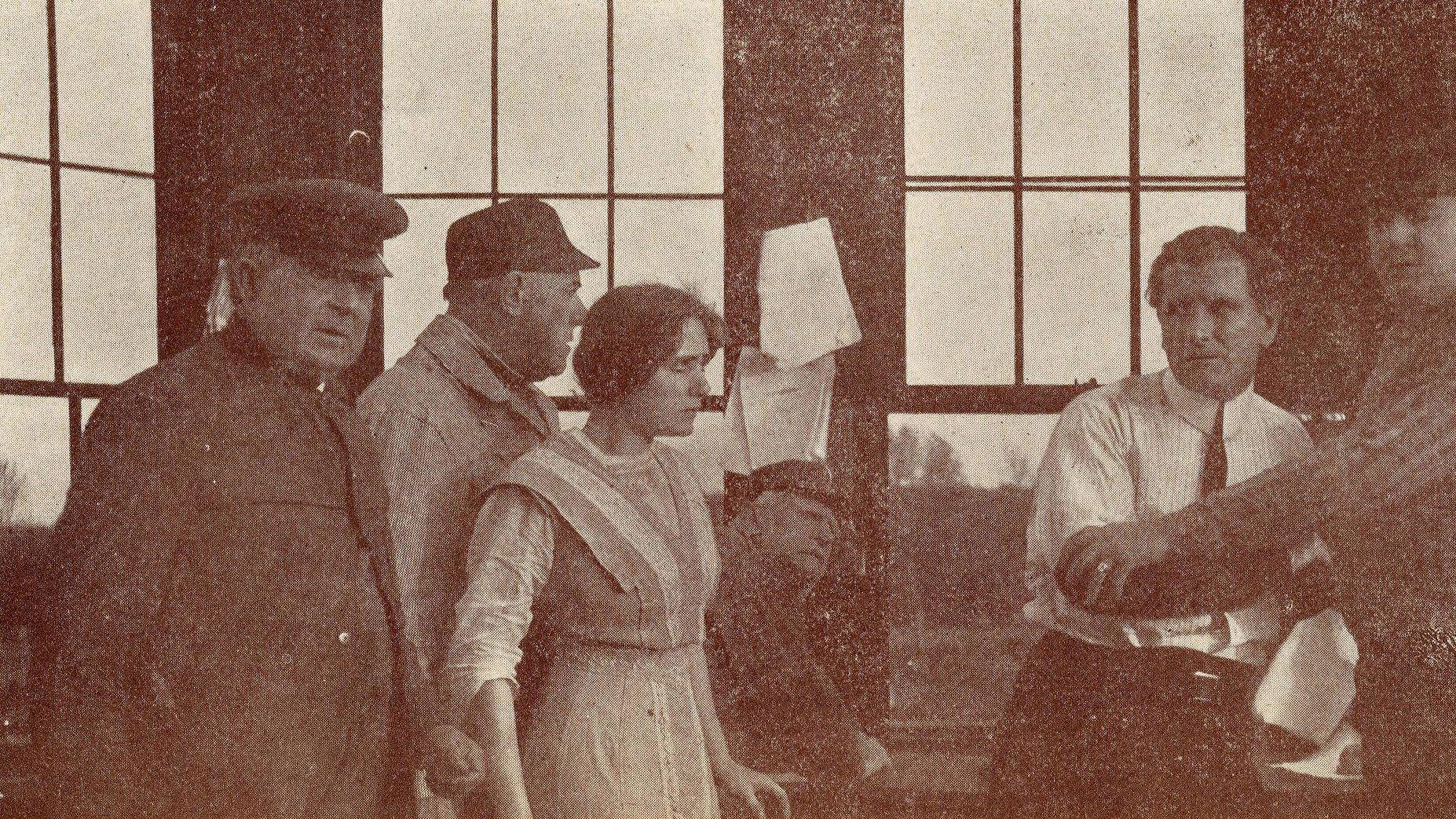
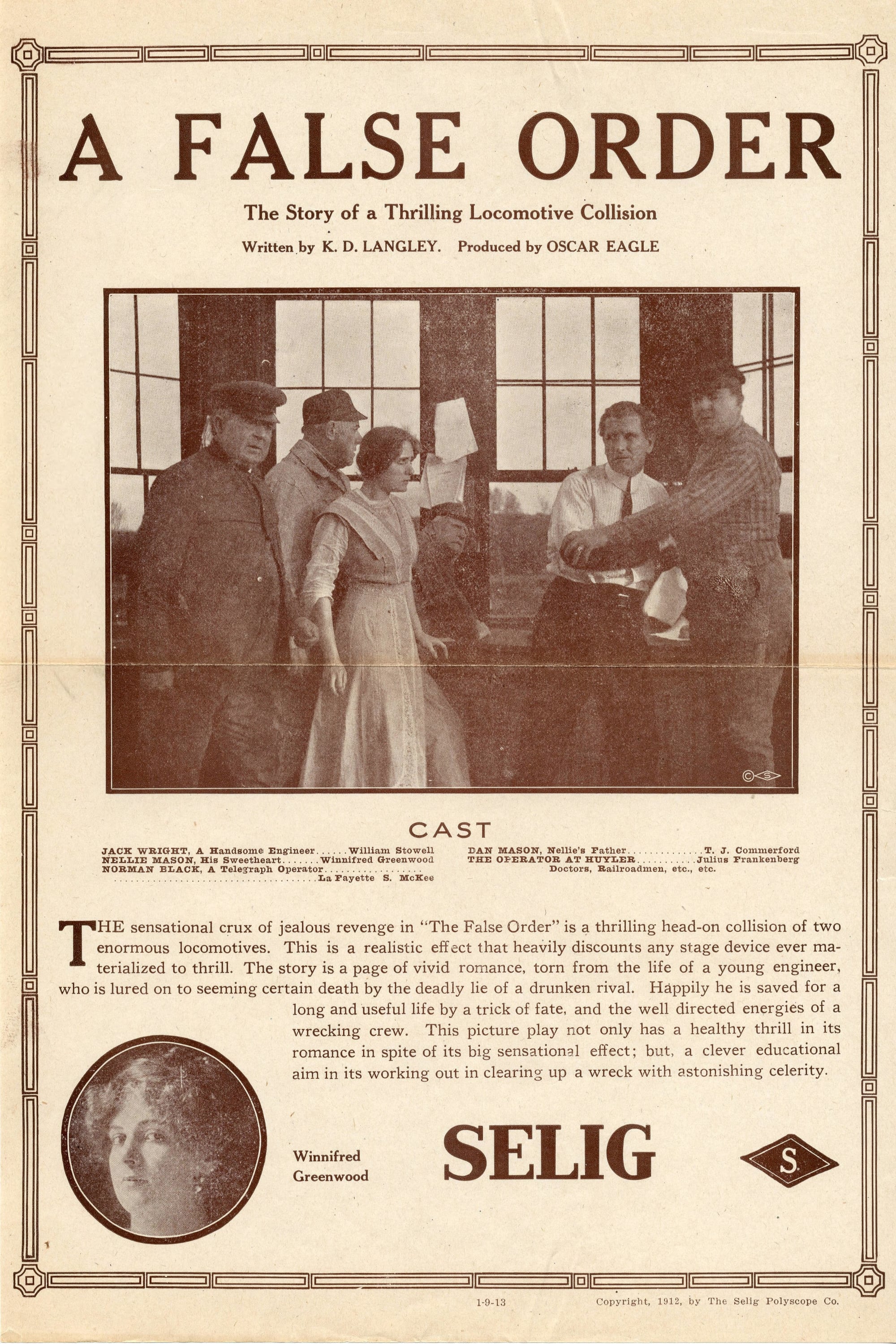
The sensational crux of jealous revenge in "The False Order" is a head-on collision of two enormous locomotives. A realistic effect that heavily discounts any stage device ever materialized to thrill.
Insights
Plot Summary
The film tells the story of a devoted wife who is tempted by a wealthy man, leading to a dramatic confrontation when her husband discovers her supposed infidelity. The narrative explores themes of societal judgment and the consequences of perceived betrayal within a patriarchal context.
Critical Reception
As a silent short film from 1913, 'The False Order' predates modern critical review aggregation. However, Alice Guy-Blaché was a pioneering filmmaker, and her work was generally well-regarded for its narrative innovation and technical skill within the early cinema landscape. This film likely contributed to her reputation for engaging storytelling.
What Reviewers Say
Explores the complexities of marital trust and societal pressures.
Showcases early cinematic narrative techniques with compelling performances.
A notable example of Alice Guy-Blaché's directorial vision in early film.
Google audience: Information regarding specific Google user reviews for this extremely early silent film is not available.
Awards & Accolades
None notable in the modern sense, but Alice Guy-Blaché was a prolific and innovative filmmaker of her era.
Fun Fact
Alice Guy-Blaché was one of the very first filmmakers, male or female, to direct narrative films and is credited with pioneering many cinematic techniques, including the use of special effects and synchronized sound (though not present in this particular film).
AI-generated overview · Verify ratings on official sources