Movie spotlight
Cinderella
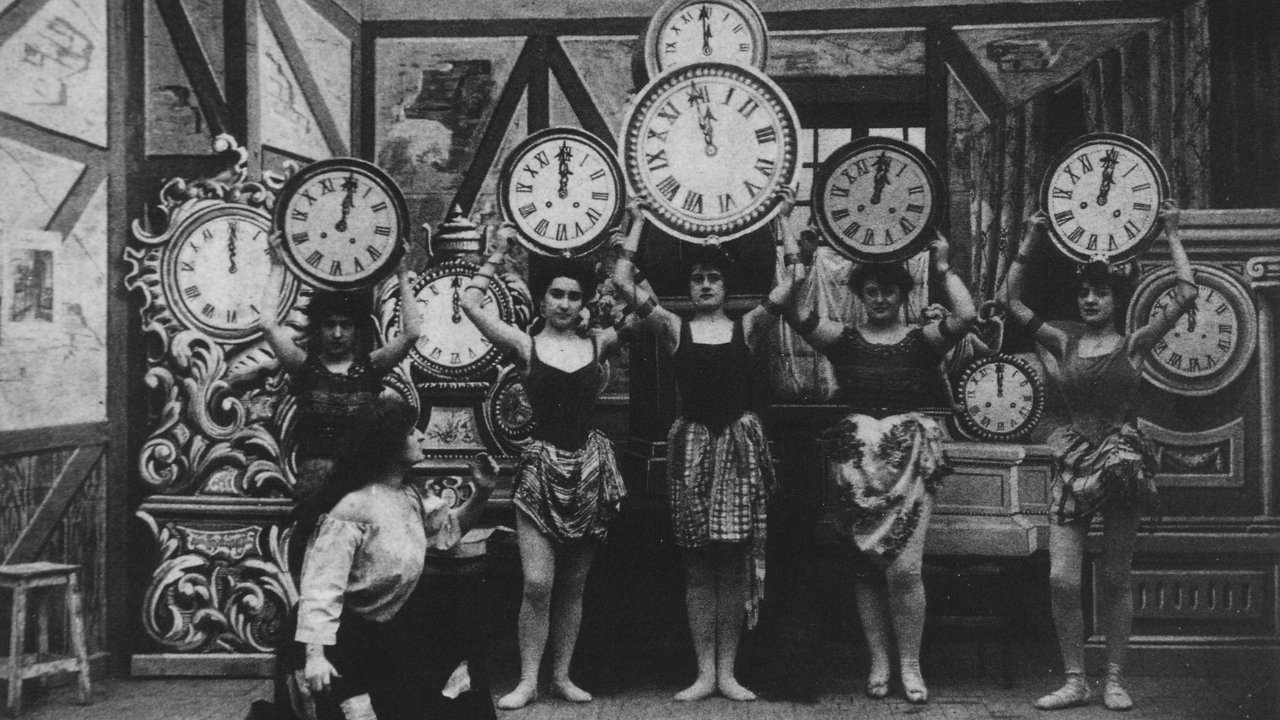
A fairy godmother magically turns Cinderella's rags to a beautiful dress, and a pumpkin into a coach. Cinderella goes to the ball, where she meets the Prince - but will she remember to leave before the magic runs out? Méliès based the art direction on engravings by Gustave Doré. First known example of a fairy-tale adapted to film, and the first film to use dissolves to go from one scene to another.
Insights
Plot Summary
This silent short film is an early cinematic adaptation of the classic fairy tale. It follows the story of Cinderella, who is mistreated by her stepmother and stepsisters but ultimately finds happiness with her prince charming thanks to a fairy godmother's intervention. The film features several magical transformations and special effects typical of Méliès' work.
Critical Reception
As one of the earliest known film adaptations of the Cinderella story and a work by Georges Méliès, 'Cendrillon' is historically significant for its pioneering use of cinematic trickery and storytelling. Contemporary reception would have been focused on the novelty of moving pictures and Méliès' imaginative visual techniques. Modern historical accounts recognize its importance as an early example of fantasy filmmaking.
What Reviewers Say
Historically significant for its early use of cinematic special effects.
A pioneering adaptation of a beloved fairy tale by a master of early cinema.
Notable for its brief runtime and reliance on visual storytelling.
Google audience: Information on Google user reviews for films from 1899 is not available.
Fun Fact
Georges Méliès, a magician by trade, used his knowledge of stage illusions to create groundbreaking special effects in his films, including 'Cendrillon', which was one of the first times the Cinderella story was told on screen.
AI-generated overview · Verify ratings on official sources