Movie spotlight
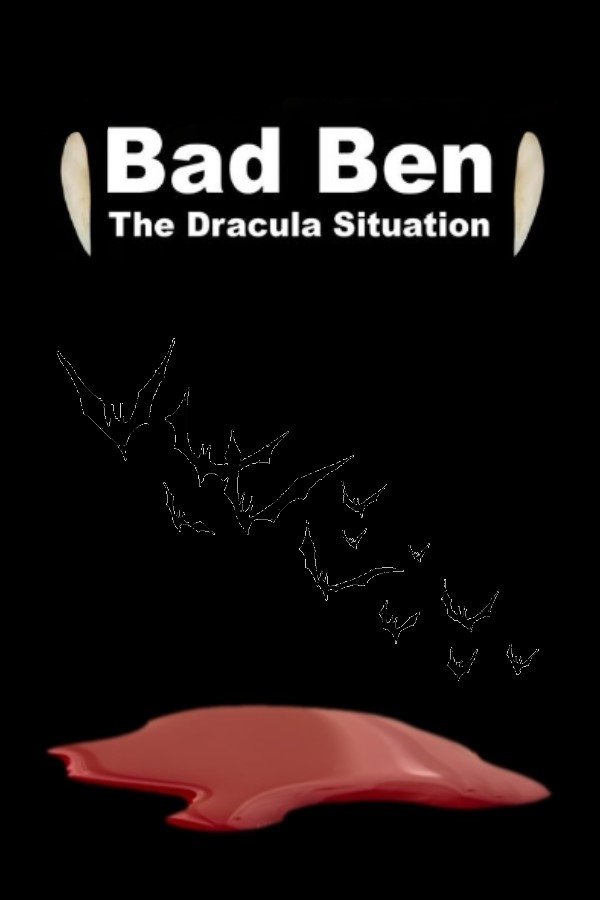
Bad Ben: The Dracula Situation
Tom Riley once again owns the house on Steelmanville Road and upon taking possession, he discovers the previous owner had rented space to...Dracula. He then learns that he can't get rid of him because he has a lease so he has...a Dracula Situation.
Insights
Plot Summary
Following the events of the previous films, Ben is trying to live a normal life, but his past supernatural encounters refuse to stay buried. When a new, more formidable evil emerges in the form of Dracula, Ben finds himself in a bizarre and violent confrontation that tests his sanity and his ability to survive. This installment blends the franchise's signature found-footage style with a classic horror icon.
Critical Reception
As with most films in the 'Bad Ben' series, 'The Dracula Situation' has garnered a niche following, appreciated for its low-budget charm and unique comedic horror approach. Critical reception is largely divided, with some viewers enjoying the inventive, if rough-around-the-edges, filmmaking, while others find the plot and execution lacking polish. It tends to appeal more to fans of the franchise's specific brand of horror-comedy.
What Reviewers Say
Appreciated for its unique blend of found-footage horror and absurdist comedy.
The film's low-budget aesthetic is seen as part of its charm by fans.
Some critics found the narrative and execution to be underdeveloped.
Google audience: Audience reviews for 'Bad Ben: The Dracula Situation' are limited, but generally reflect the polarizing nature of the franchise. Fans often praise Nigel Bach's continued commitment to his distinct style, highlighting the creative use of limited resources and the humor. Non-fans, however, frequently point to the amateurish production values and inconsistent pacing.
Fun Fact
Nigel Bach, the writer, director, and star of the 'Bad Ben' series, often utilizes a minimal budget and a small, dedicated crew, contributing to the films' distinctive DIY aesthetic.
AI-generated overview · Verify ratings on official sources