Movie spotlight
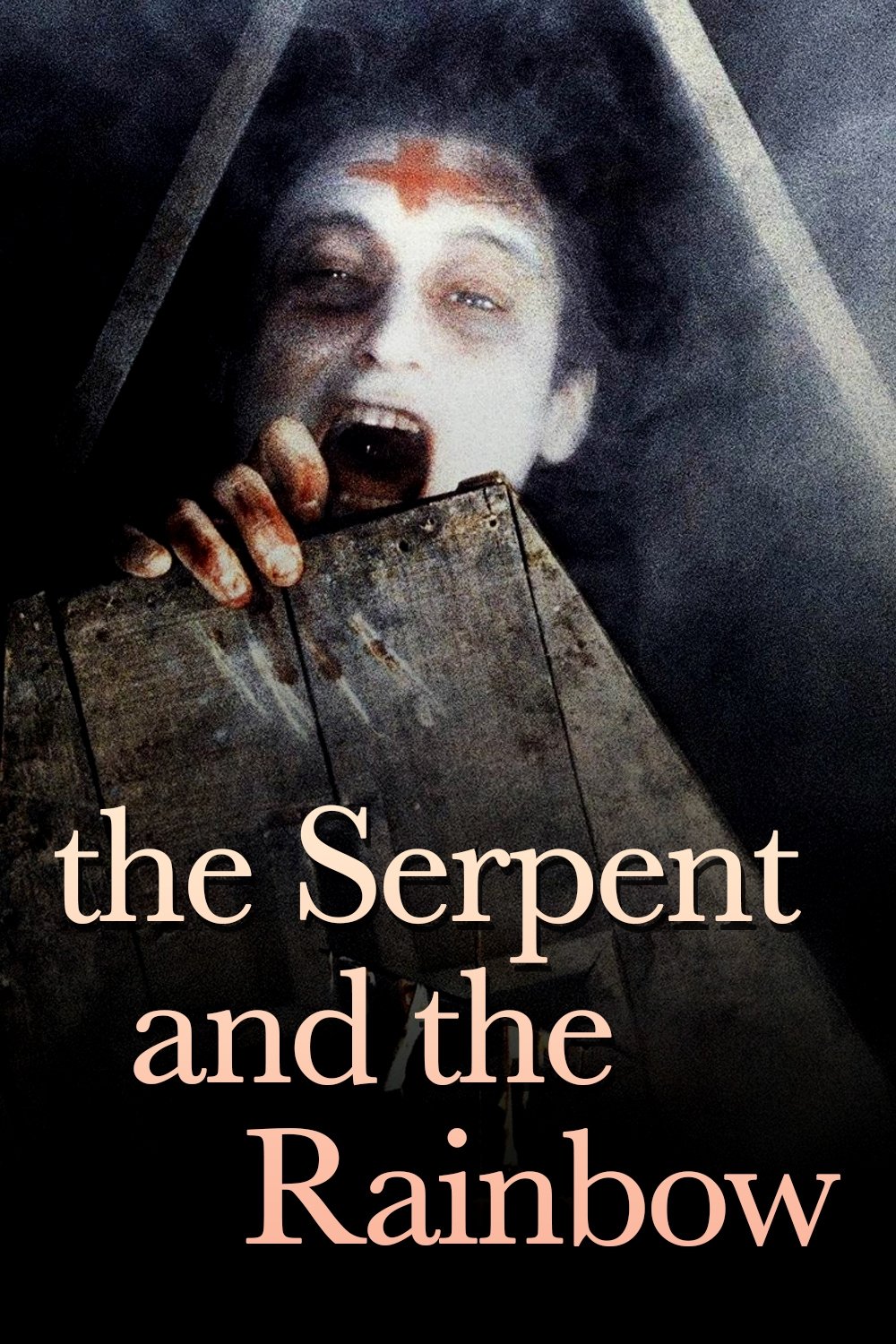
The Serpent and the Rainbow
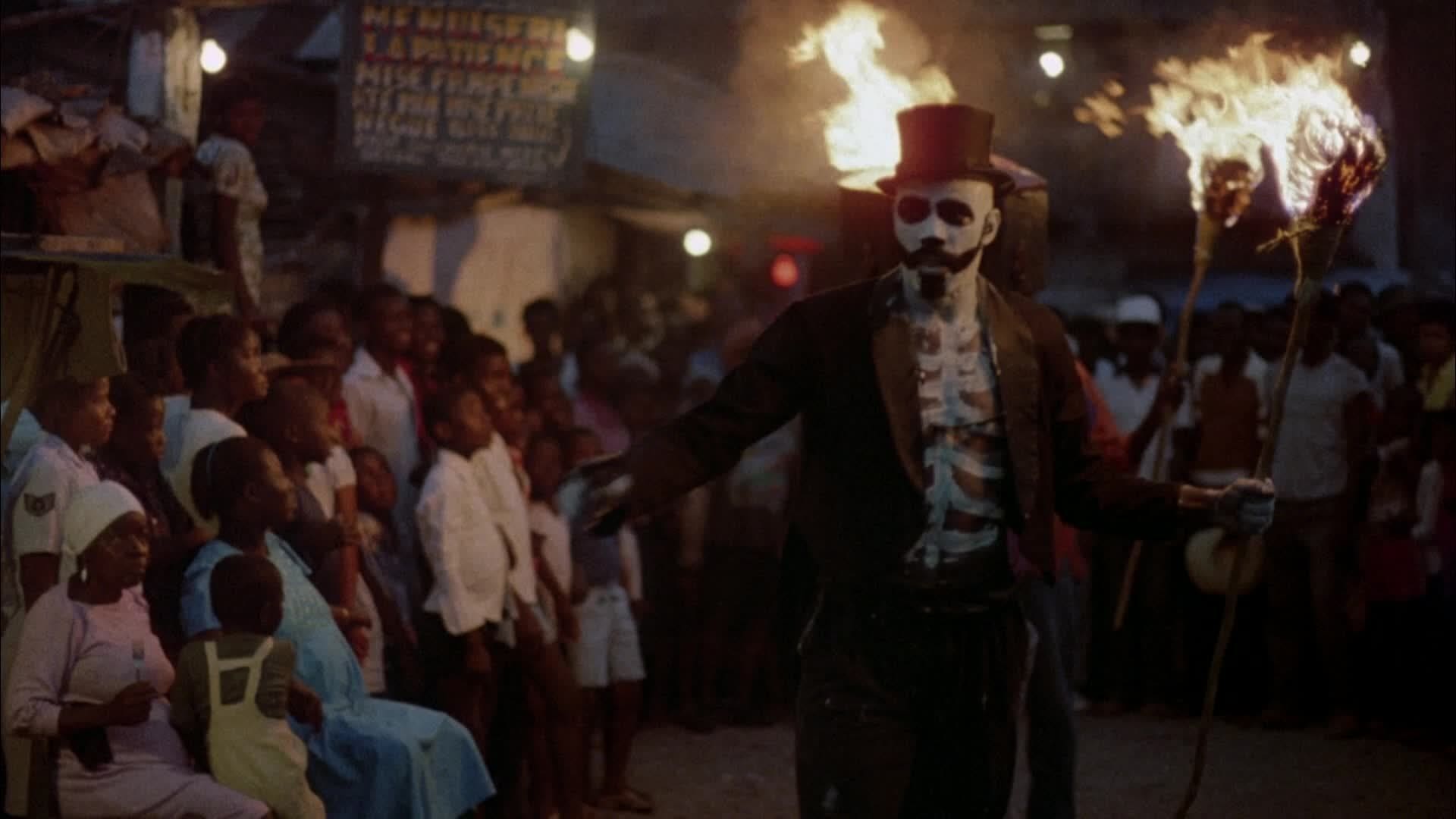
A Harvard anthropologist is sent to Haiti to retrieve a strange powder that is said to have the power to bring human beings back from the dead. In his quest to find the miracle drug, the cynical scientist enters the rarely seen netherworld of walking zombies, blood rites and ancient curses. Based on the true life experiences of Wade Davis and filmed on location in Haiti, it's a frightening excursion into black magic and the supernatural.
Insights
Plot Summary
A Harvard anthropologist travels to Haiti to investigate a mysterious drug said to be used in voodoo death rituals. As he delves deeper into the country's dark spiritual practices and political turmoil, he finds himself drawn into a terrifying world of sorcery, paranoia, and the blurring line between reality and hallucination. His quest for scientific understanding transforms into a desperate fight for survival against forces he cannot comprehend.
Critical Reception
The Serpent and the Rainbow was met with generally positive reviews, praised for its atmospheric tension, unique premise, and Wes Craven's directorial style. While some critics found the plot occasionally convoluted, the film was largely lauded for its intelligent approach to horror and its exploration of cultural themes.
What Reviewers Say
Praised for its chilling atmosphere and unsettling blend of anthropology and horror.
Lauded for Wes Craven's intelligent and visually distinct directorial approach.
Noted for its effective use of psychological dread over jump scares.
Google audience: Audiences generally found the film to be a unique and thought-provoking horror experience, appreciating its departure from typical genre tropes and its exploration of Haitian voodoo culture.
Fun Fact
The film was inspired by Wade Davis's 1985 non-fiction book of the same name, which details his investigation into the drug zombification in Haiti.
AI-generated overview · Verify ratings on official sources