Movie spotlight
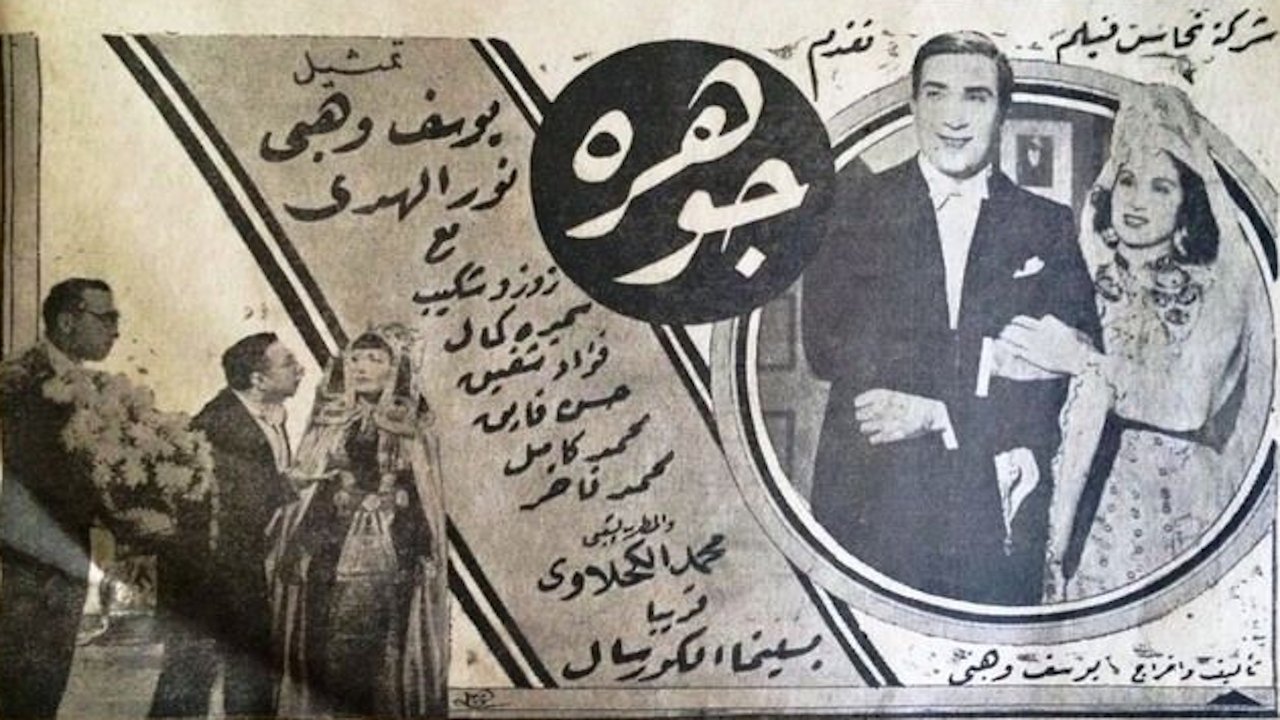
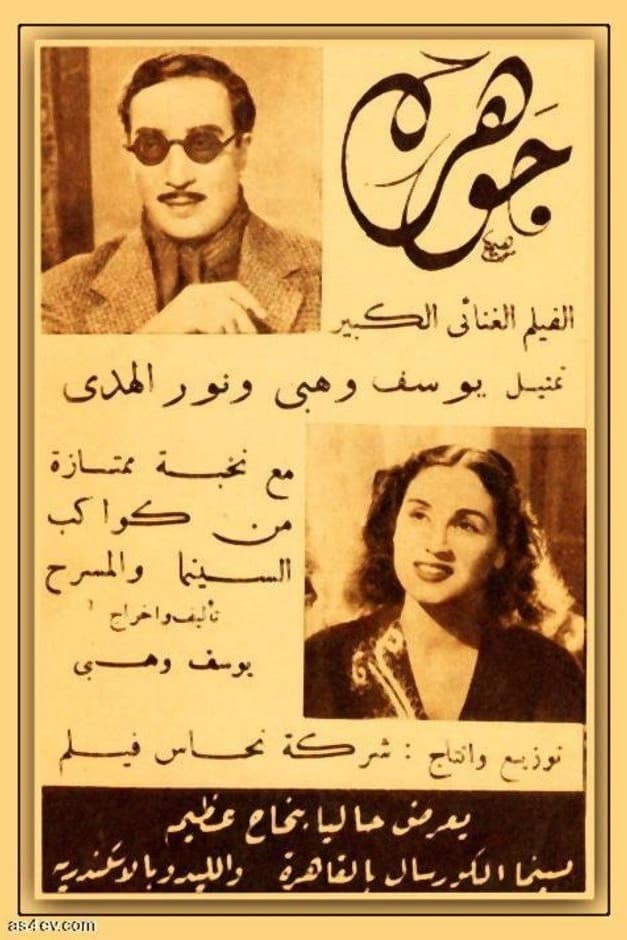
Jawhara
Samir became one of the most famous composers and authors of music, trying to present his best melodies to the band he loved and worked in with the actress Attiyat, with whom he was associated. However, her betrayal of him prompted him to abandon his work and life and decide to commit suicide. When he met one of the girls whose sweet voice he admired, but he thought she was in a relationship. With one of the young men.
Insights
Plot Summary
The film centers on Jawhara, a young woman whose life takes a dramatic turn when she becomes entangled with a wealthy and influential family. Facing societal pressures and personal desires, she navigates a complex web of relationships and challenges. Her journey explores themes of love, betrayal, and the struggle for independence in a society with strict expectations.
Critical Reception
While specific critical reviews from 1943 are scarce, "Jawhara" is recognized as a significant film in early Egyptian cinema, often lauded for its strong performances and its contribution to the dramatic genre. It is remembered for addressing social themes relevant to its time and for showcasing the emerging talents of its cast.
What Reviewers Say
Praised for its compelling narrative and emotional depth.
Noted for strong performances from its lead actors, particularly Faten Hamama.
Considered a notable example of Egyptian melodrama from its era.
Google audience: Audience reception information from 1943 is not readily available through modern digital platforms. However, the film is historically significant and generally regarded as a well-crafted drama by those familiar with classic Egyptian cinema.
Fun Fact
Faten Hamama, who plays the titular character, was only 13 years old when "Jawhara" was released, marking one of her earliest significant roles in a feature film.
AI-generated overview · Verify ratings on official sources