Movie spotlight
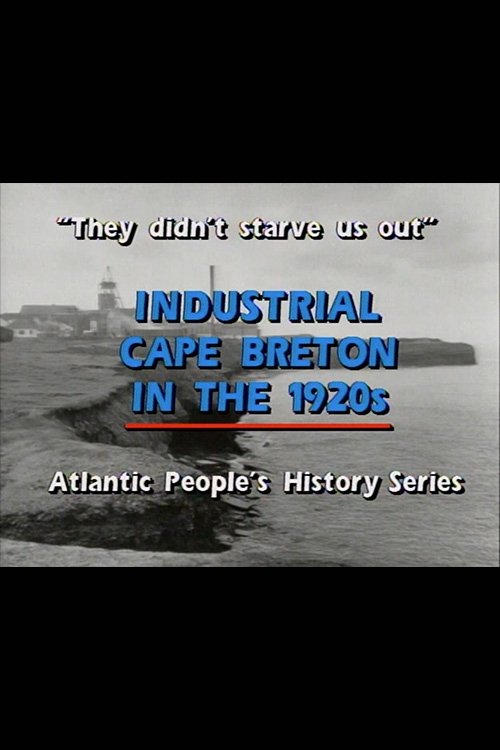
"They Didn't Starve Us Out": Industrial Cape Breton in the 1920s
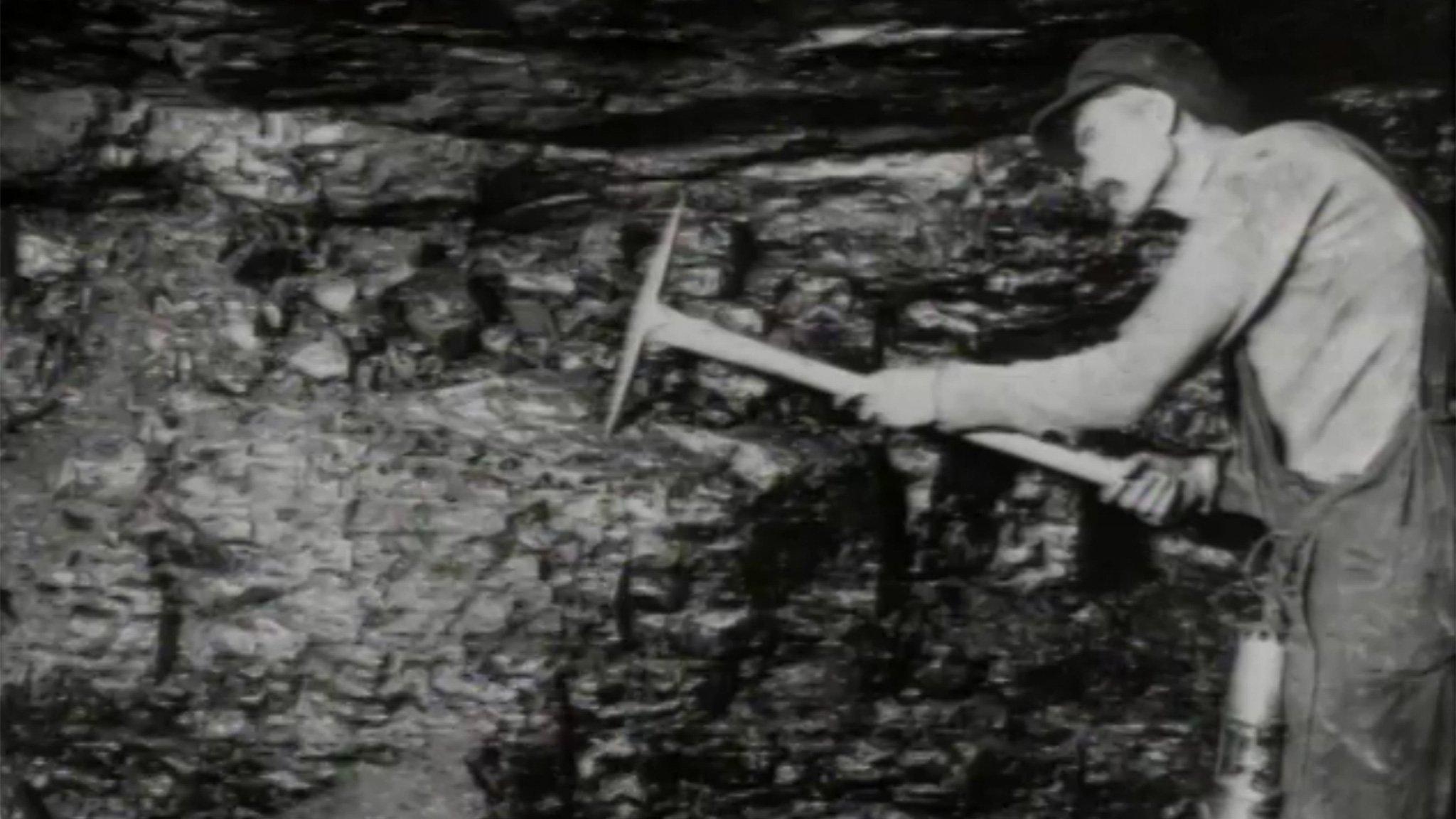
For 200 years, coal mining had been a way of life in Cape Breton. By 1920 things were looking up: miners were unionized and paid decent wages. Then the British Empire Steel Corporation arrived and bought every single steel and coal company in Nova Scotia. BESCO cut wages by a third, setting off a bitter labour dispute. The miners settled in for a long strike. Finally, in 1925, the military ended the unrest with brute force. But the miners, in one sense, had won. They broke up the monopoly and provided an example to workers across the country.
Insights
Plot Summary
This documentary explores the socio-economic conditions of industrial Cape Breton, Nova Scotia, during the 1920s. It examines the impact of major industries like coal mining and steel production on the lives of the working class. The film delves into the struggles, labor relations, and community resilience in the face of industrial challenges.
Critical Reception
As a historical documentary, specific critical reviews are scarce. However, it is recognized for its valuable contribution to understanding the labor history and industrial development of Atlantic Canada. The film is appreciated for its archival footage and direct engagement with the historical context of the era.
What Reviewers Say
Provides a detailed look at early 20th-century industrial life.
Highlights the importance of labor and community in Cape Breton's history.
Offers valuable historical context for understanding regional development.
Google audience: Information regarding Google user reviews for this specific documentary is not readily available.
Fun Fact
The documentary's title, "They Didn't Starve Us Out," likely references a specific historical event or sentiment related to the resilience of the community during a period of industrial hardship.
AI-generated overview · Verify ratings on official sources