Movie spotlight
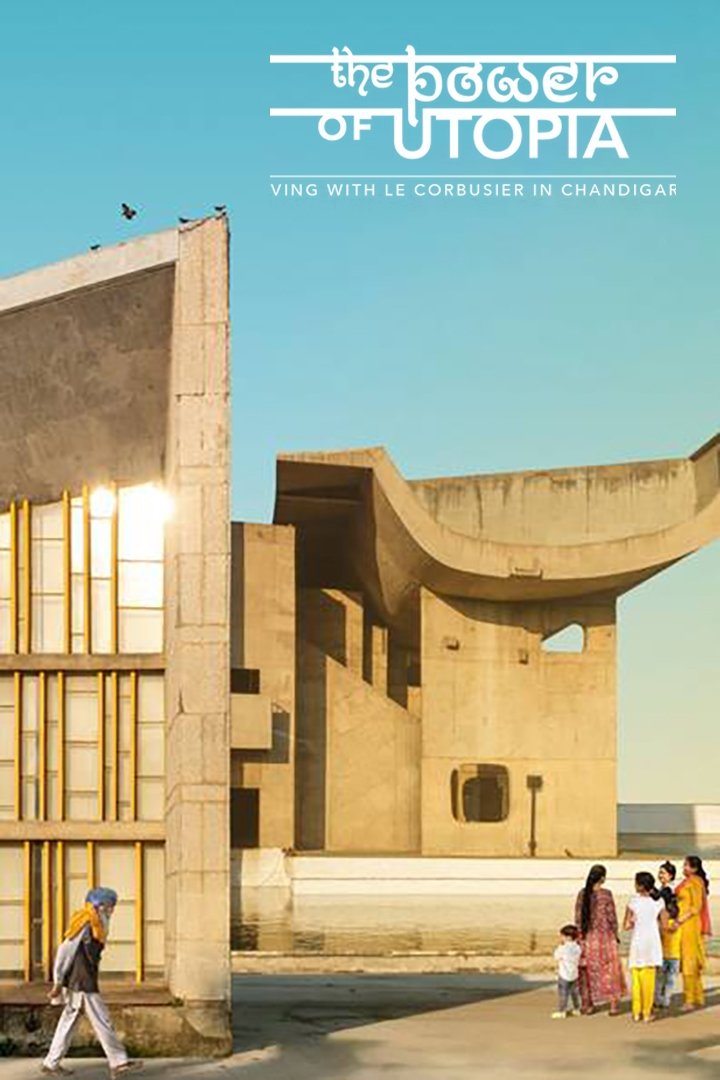
The Power of Utopia: Living with Le Corbusier in Chandigarh
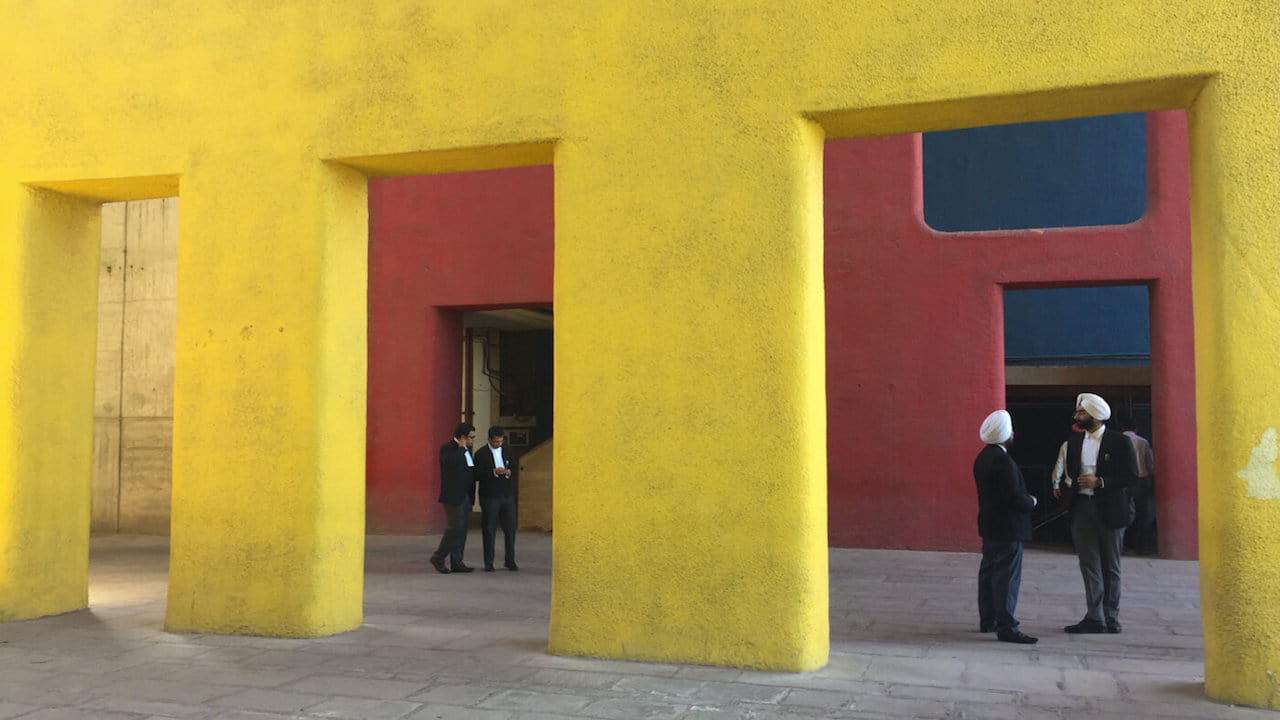
With the construction of the Indian planned city of Chandigarh, the Swiss and French architect Le Corbusier completed his life's work 70 years ago. Chandigarh is a controversial synthesis of the arts, a bold utopia of modernity. The film accompanies four cultural workers who live in the planned city and reflects on Le Corbusier's legacy, utopian urban ideas and the cultural differences between East and West in an atmospherically dense narrative.
Insights
Plot Summary
This documentary explores the enduring legacy of modernist architect Le Corbusier's planned city of Chandigarh, India. It delves into the daily lives of its residents, examining how the utopian ideals embedded in the city's design have shaped their experiences over decades. The film contrasts the grand architectural vision with the lived realities of its inhabitants, offering a nuanced perspective on the success and challenges of this ambitious urban experiment.
Critical Reception
Reviews for 'The Power of Utopia' have been largely positive, with critics praising its insightful exploration of architectural idealism versus lived experience. The documentary is commended for its sensitive portrayal of the residents of Chandigarh and its ability to connect grand urban planning concepts to individual human lives. While some noted its deliberate pacing, the consensus is that it offers a thought-provoking and visually rich examination of a unique city.
What Reviewers Say
Appreciated for its sensitive and humanistic approach to urban planning.
Praised for its stunning cinematography and exploration of Chandigarh's unique modernist architecture.
The film effectively bridges the gap between grand architectural theory and the everyday lives of its citizens.
Google audience: Information on Google user reviews is not readily available for this specific documentary.
Fun Fact
Chandigarh was one of the first planned cities in post-independence India, conceived as a symbol of freedom and a new beginning, with Le Corbusier overseeing its design after the original architect, Albert Mayer, withdrew from the project.
AI-generated overview · Verify ratings on official sources