
Movie spotlight
Powaqqatsi
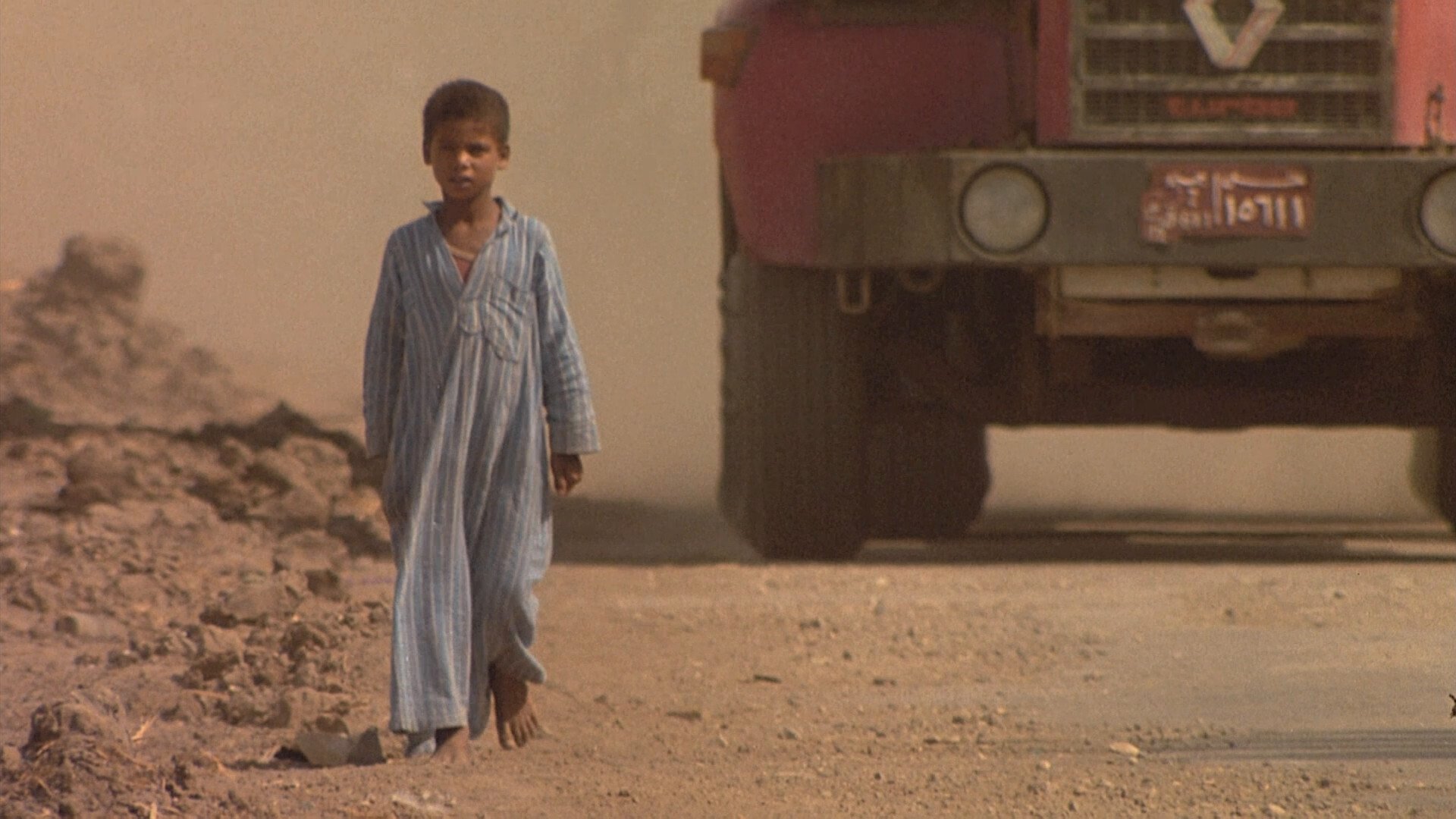
An exploration of technologically developing nations and the effect the transition to Western-style modernization has had on them.
Insights
Plot Summary
The second film in Reggio's Qatsi trilogy, 'Powaqqatsi' explores the impact of industrialization and technology on traditional cultures and the natural world. Through stunning visuals and a powerful score by Philip Glass, the film presents a non-narrative, contemplative look at humanity's relationship with progress. It contrasts the lives of people in developing nations with the relentless march of modernity, questioning the true meaning of 'progress.'
Critical Reception
Powaqqatsi was generally well-received by critics, who praised its striking cinematography and Philip Glass's evocative score. While some found its lack of narrative structure challenging, many lauded its artistic ambition and its timely, albeit abstract, commentary on globalization and its effects on indigenous populations. It's often seen as a powerful, if somber, visual poem.
What Reviewers Say
Visually stunning and emotionally resonant, with a masterful score.
Offers a thought-provoking, albeit abstract, examination of industrialization's impact.
A challenging but rewarding cinematic experience for those open to non-linear storytelling.
Google audience: Audiences generally appreciate Powaqqatsi for its breathtaking visuals and the powerful emotional impact of Philip Glass's music. Many find the film's exploration of humanity's relationship with technology and traditional life to be deeply moving and thought-provoking, though some acknowledge its abstract nature requires a certain level of engagement.
Fun Fact
The title 'Powaqqatsi' is a Hopi word meaning 'life in transformation,' 'process,' or 'a state of life that is active and evolving.'
AI-generated overview · Verify ratings on official sources