
Movie spotlight
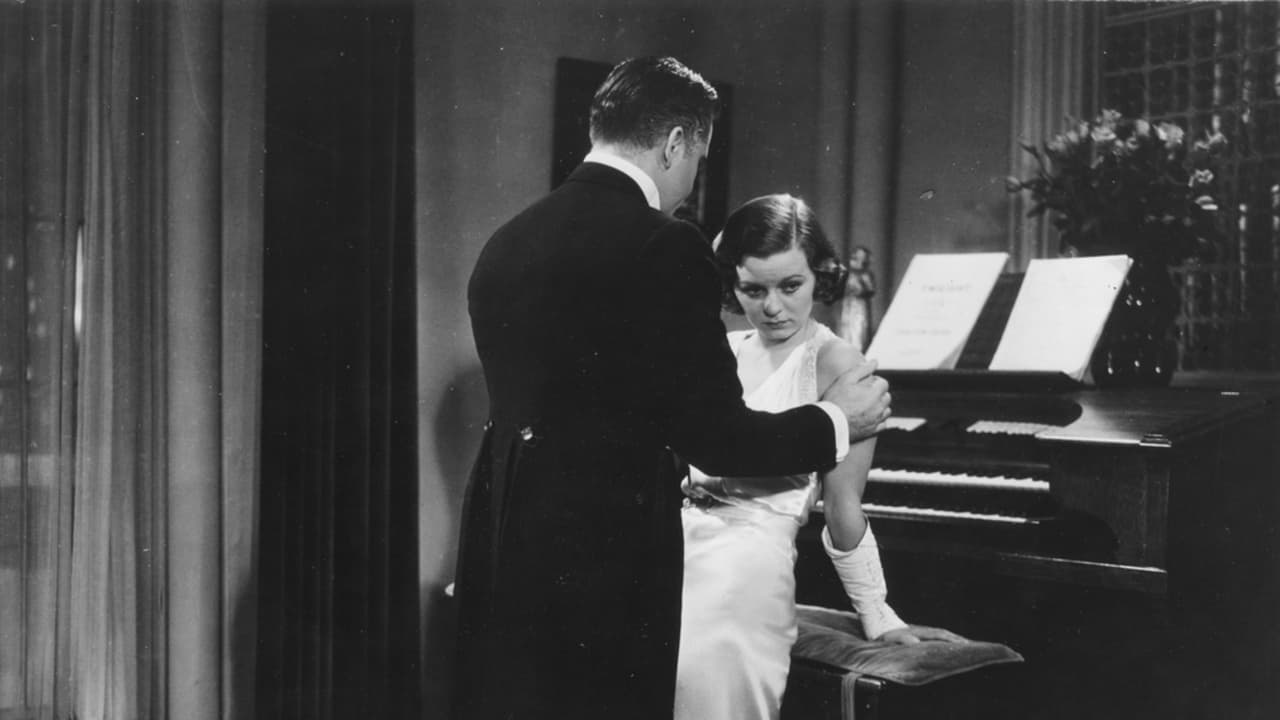
Only Yesterday
On the back of the Wall Street Crash of 1929, a young businessman is about to commit suicide. With a note to his wife scribbled down and a gun in his hand, he notices an envelope addressed to him on his desk. As he begins to read, we're taken back to World War One and his meeting with a young woman named Mary Lane.
Insights
Plot Summary
Mary Conway, a young woman from a small town, moves to New York City in 1919 and falls for the charismatic Bob Sierra. Their passionate affair leads to an unplanned pregnancy, forcing Mary to make a difficult choice. Years later, she is a successful businesswoman, but her past continues to haunt her when Bob unexpectedly re-enters her life, presenting her with a chance at love and family.
Critical Reception
The film was a critical and commercial success upon its release, praised for its emotional depth and Margaret Sullavan's breakout performance. It was noted for its mature handling of themes such as premarital sex and unplanned pregnancy, which was quite progressive for its time. The film resonated with audiences for its poignant portrayal of love, loss, and second chances.
What Reviewers Say
Margaret Sullavan delivers a tour-de-force performance as a woman navigating societal expectations and personal desires.
The film is lauded for its sensitive and mature exploration of complex emotional themes.
Praised for its engaging narrative and satisfying, albeit bittersweet, conclusion.
Google audience: Audience reception is generally positive, with viewers appreciating the film's emotional impact and Sullavan's compelling portrayal. Many found the story relatable and moving, despite its age.
Fun Fact
Margaret Sullavan's performance in 'Only Yesterday' was so impactful that it launched her career, leading to her becoming one of Hollywood's most acclaimed actresses of the 1930s and 1940s.
AI-generated overview · Verify ratings on official sources