
Movie spotlight
Legasthenie - Wir dachten immer, du bist dumm
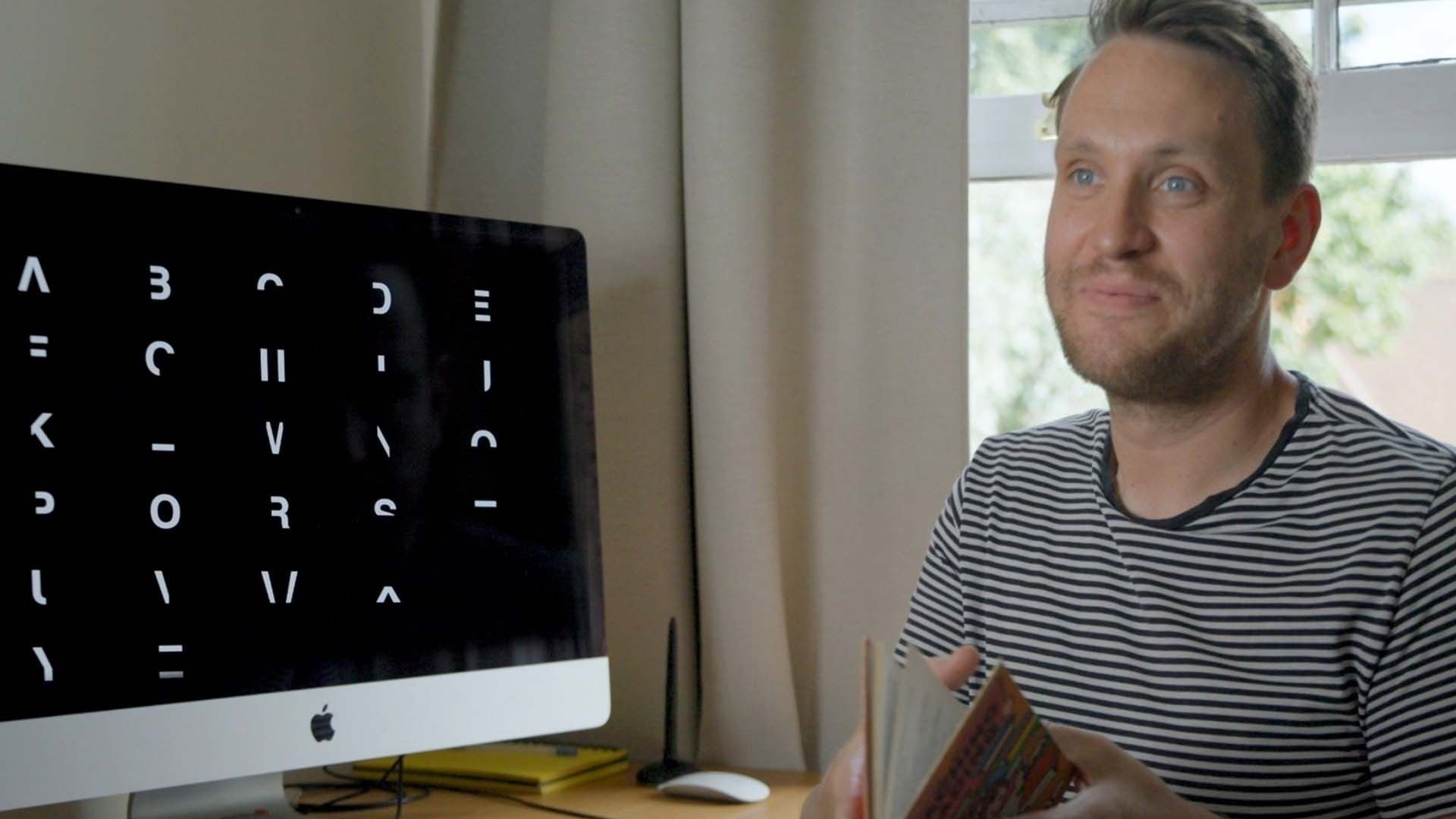
More and more prominent people are publicly admitting to being affected by dyslexia. Hardly any other aspect of learning at school has been researched as extensively in recent decades as dyslexia, and yet there is still a lack of clarity in the scientific community about causes and therapies, and children are left alone with the feeling of being a failure.
Insights
Plot Summary
The film follows a young man who discovers he has dyslexia after a series of misunderstandings and a seemingly simple life decision. He embarks on a journey to understand his condition and confront the lifelong assumptions that have shaped his perception of himself and the world around him.
Critical Reception
The film received a mixed to positive reception, with praise for its sensitive portrayal of dyslexia and a strong central performance. Some critics found the pacing uneven, but generally agreed it was a thought-provoking and empathetic look at learning differences.
What Reviewers Say
Praised for its empathetic and honest portrayal of dyslexia.
Jonas Nay delivers a compelling and nuanced performance.
The narrative is sometimes predictable but ultimately heartwarming.
Google audience: Audience reviews highlight the film's emotional resonance and its success in raising awareness about dyslexia, although some viewers felt the story could have explored certain aspects in greater depth.
Fun Fact
The film's original German title, 'Legasthenie - Wir dachten immer, du bist dumm,' directly translates to 'Dyslexia - We always thought you were stupid,' emphasizing the film's core theme of confronting societal prejudice against learning differences.
AI-generated overview · Verify ratings on official sources