Movie spotlight
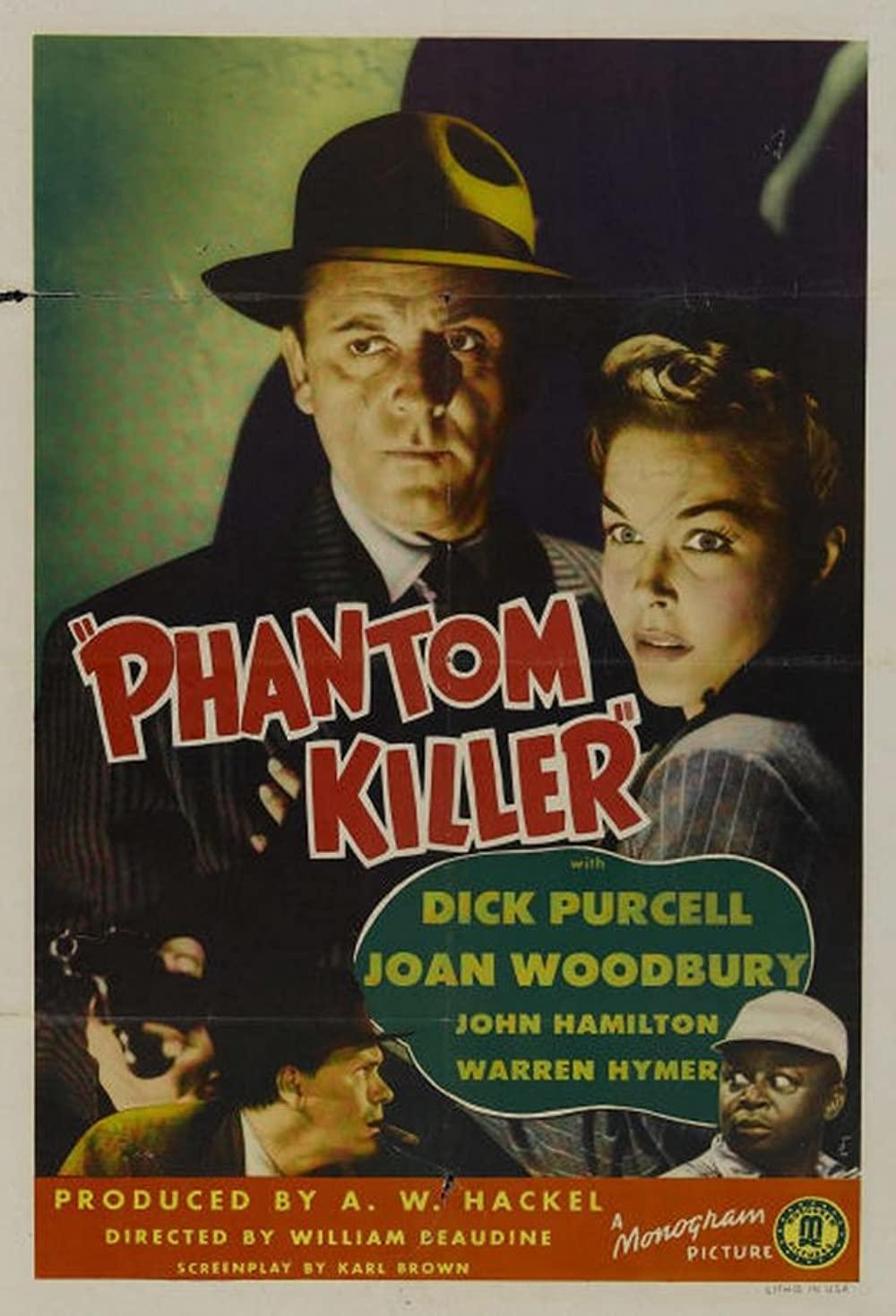
Phantom Killer
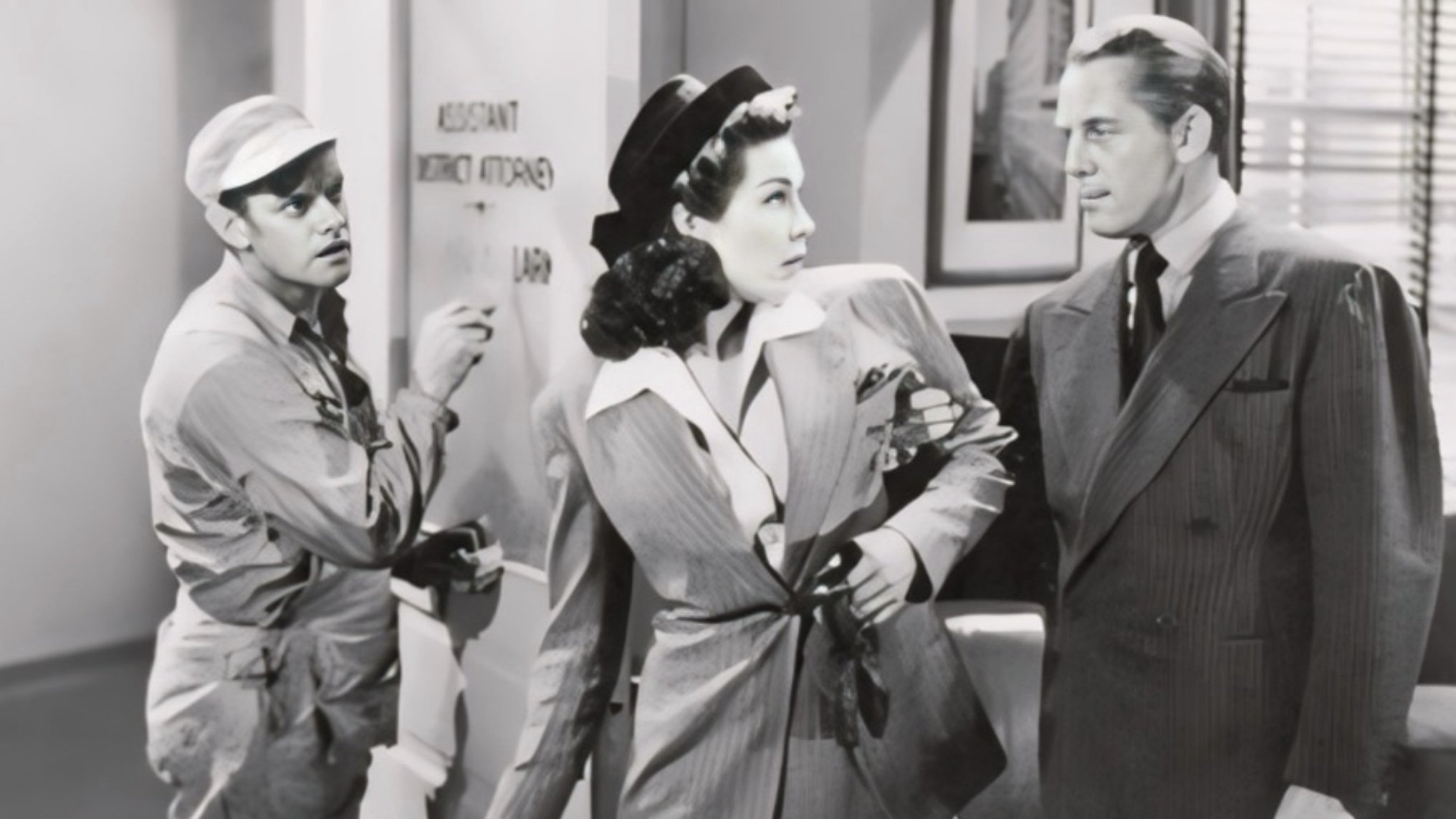
Well-known philanthropist and deaf-mute John G. Harrison is identified leaving the scene of several murders but evades successful prosecution as there are hundreds of witnesses who have also seen him emceeing benefits at the exact same time as the murders.
Insights
Plot Summary
In this classic whodunit, a series of seemingly unrelated murders plagues the city, all attributed to a mysterious figure known only as the 'Phantom Killer.' A determined detective races against time to uncover the killer's identity and motive before another innocent life is taken. The investigation leads him through a tangled web of secrets and deception within the city's elite circles. The climax reveals a shocking twist that challenges everyone's assumptions.
Critical Reception
Phantom Killer received mixed reviews upon its release. While some critics praised its suspenseful atmosphere and engaging mystery plot, others found its pacing to be uneven and its resolution somewhat predictable. The film is generally regarded as a competent, albeit unremarkable, entry in the crime and mystery genre of the era.
What Reviewers Say
Praised for its suspenseful mystery and noir atmosphere.
Criticized for occasionally slow pacing and a somewhat predictable outcome.
Considered a standard, if not groundbreaking, crime thriller of the 1940s.
Google audience: Audience reception for Phantom Killer is not widely documented or easily accessible. However, its historical context suggests it was likely viewed as a typical B-movie mystery, appreciated for its genre conventions without necessarily achieving widespread acclaim.
Fun Fact
Director William Beaudine was a prolific filmmaker, often referred to as "One-Shot Beaudine" due to his reputation for working very quickly and often completing scenes in a single take.
AI-generated overview · Verify ratings on official sources