Movie spotlight
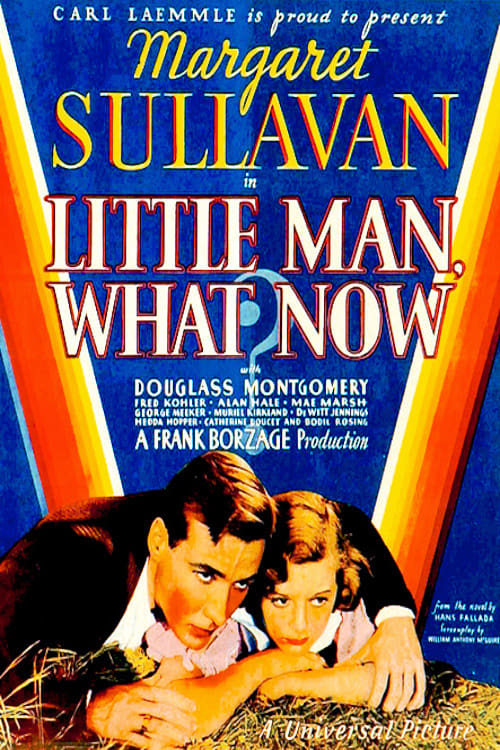
Little Man, What Now?
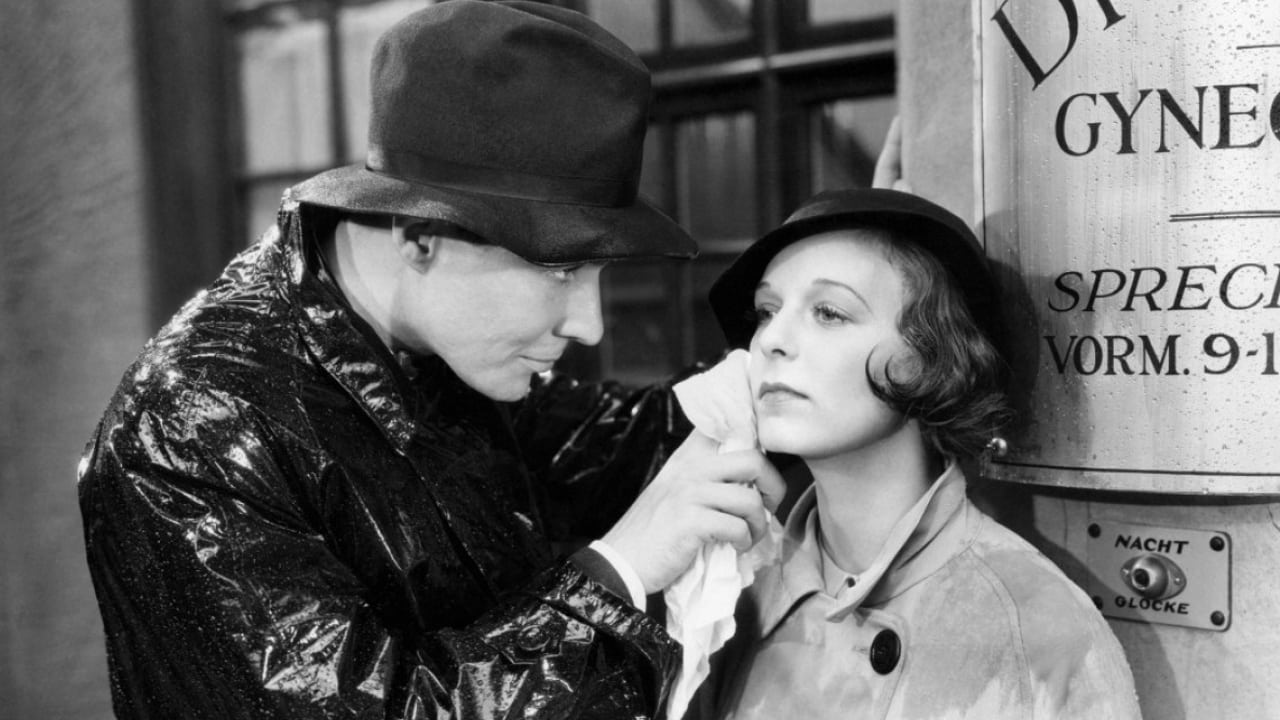
A young couple struggling against poverty must keep their marriage a secret in order for the husband to keep his job, as his boss doesn't like to hire married men.
Insights
Plot Summary
Set in post-World War I Germany, the film follows the struggles of Hans and Liesl as they navigate the economic hardship and social unrest of the Weimar Republic. They marry with dreams of a better future, but face immense challenges including unemployment, poverty, and the rising tide of political extremism. Their love is tested by these external pressures, forcing them to confront difficult choices and fight for survival amidst a collapsing society.
Critical Reception
Little Man, What Now? was generally well-received by critics for its emotional depth and powerful performances, particularly from Margaret Sullavan and Douglas Montgomery. It was praised for its sensitive portrayal of the struggles faced by ordinary Germans during a tumultuous period. However, some found its melodrama occasionally overwhelming, while others appreciated its poignant depiction of resilience in the face of adversity.
What Reviewers Say
Praised for its moving portrayal of love and resilience amidst severe economic depression.
Margaret Sullavan delivers a standout performance as a woman enduring immense hardship.
The film effectively captures the bleak atmosphere and social anxieties of post-war Germany.
Google audience: Audience reviews highlight the film's emotional impact and its compelling depiction of the difficult lives of Germans during the interwar period. Many viewers found the story deeply affecting and appreciated the performances.
Awards & Accolades
Nominated for the Academy Award for Best Picture, Best Director (Frank Borzage), and Best Actress (Margaret Sullavan).
Fun Fact
The film was based on the best-selling novel of the same name by Hans Fallada, which was itself inspired by real events and experiences of the era.
AI-generated overview · Verify ratings on official sources