Movie spotlight
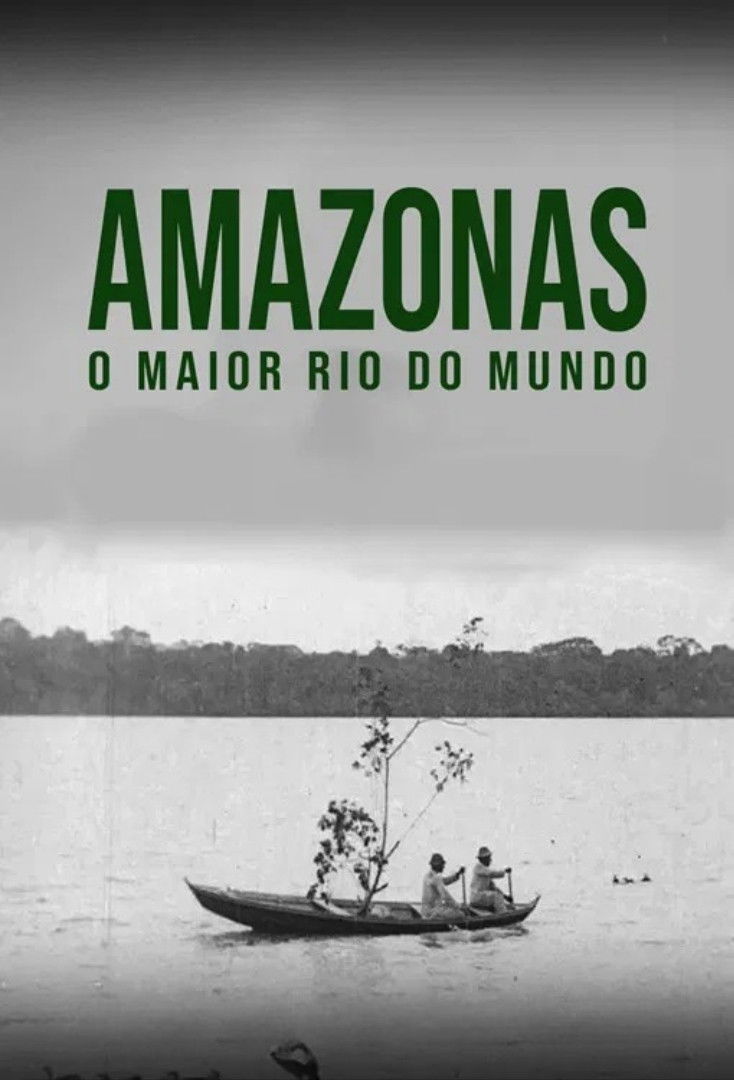
Amazon: Longest River in the World
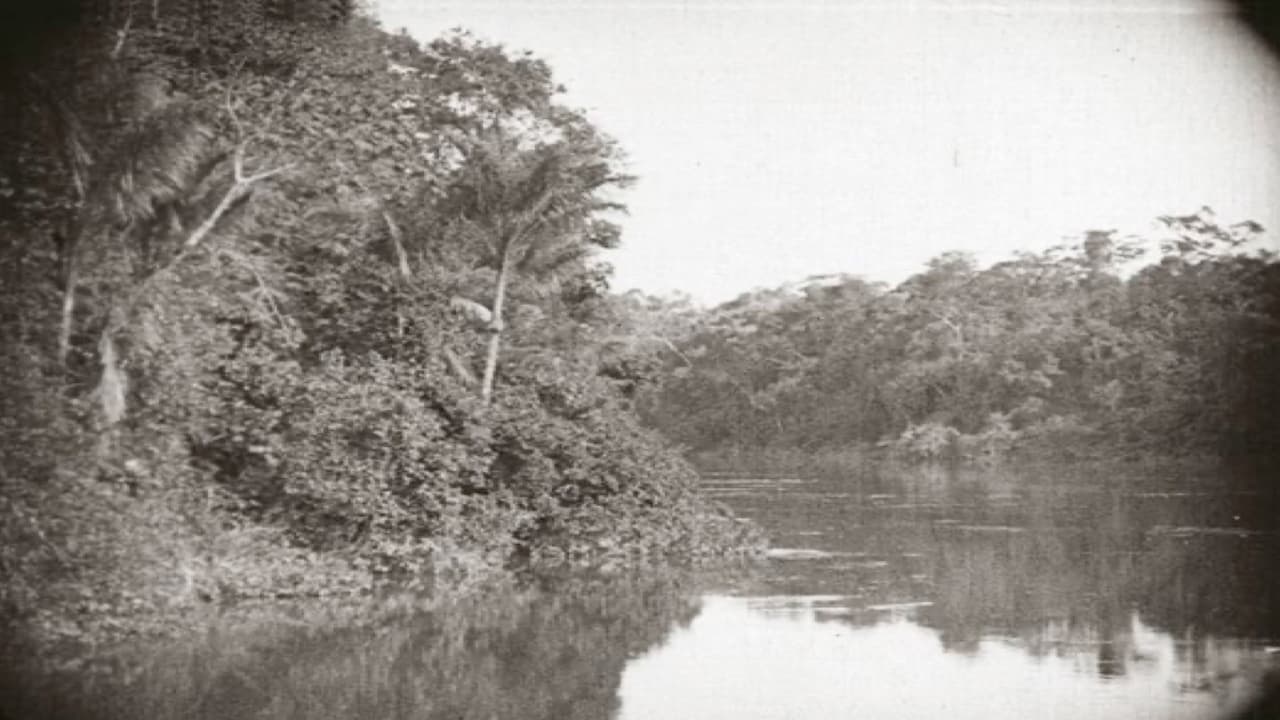
Documentary by Portuguese Silvino Santos, about the Amazon, its flora, fauna, its inhabitants and among other wonderful images from the beginning of the 20th century with alternating close-up shots of caimans, jaguars and tropical flora with footage of Indigenous rituals--including some of the earliest known moving images of the Indigenous Witoto people--and longer sequences showcasing the region’s extractive industries: rubber, the Brazil nut, timber, fishing, even the egret feathers that were a staple of women’s fashion at the time.
Insights
Plot Summary
This early documentary, released in 1918, likely aimed to showcase the immense scale and geographical significance of the Amazon River. It would have provided viewers with a glimpse into the diverse ecosystems and perhaps the indigenous cultures inhabiting the vast Amazon basin.
Critical Reception
As a documentary from 1918, specific critical reception data is virtually non-existent. Early documentaries were often didactic or presented as educational tools, and their critical appraisal focused on informational value and technical achievement for the era.
What Reviewers Say
Likely praised for its educational content and visual exploration of a remote region.
May have been noted for its pioneering attempt to capture the grandeur of the Amazon on film.
Audience reactions would have been shaped by the novelty of cinematic nature documentaries at the time.
Google audience: Information on Google user reviews from 1918 is not available.
Fun Fact
Early documentary filmmaking in remote locations like the Amazon faced significant logistical challenges, including transporting heavy equipment and dealing with harsh environmental conditions.
AI-generated overview · Verify ratings on official sources