Movie spotlight
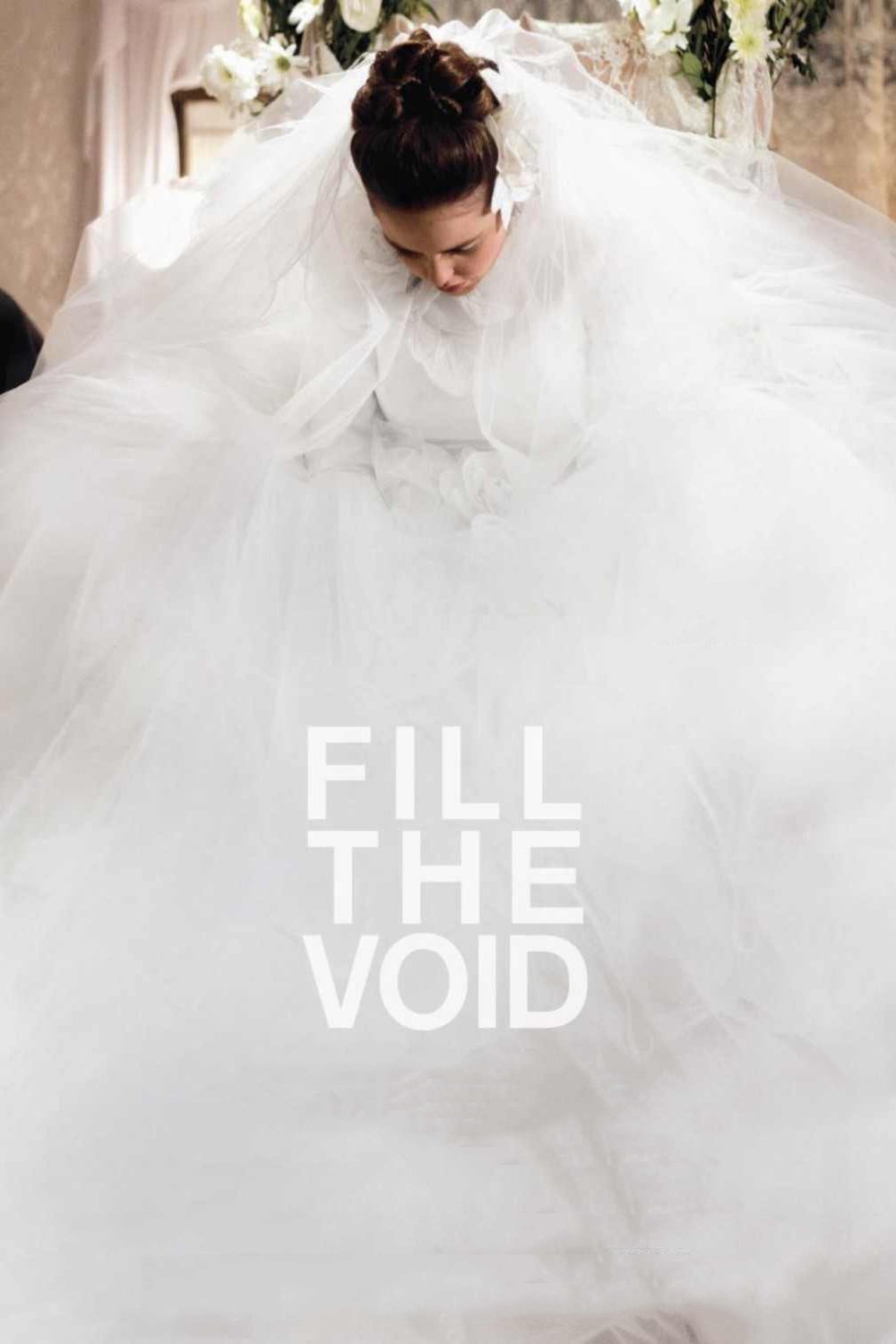
Fill the Void
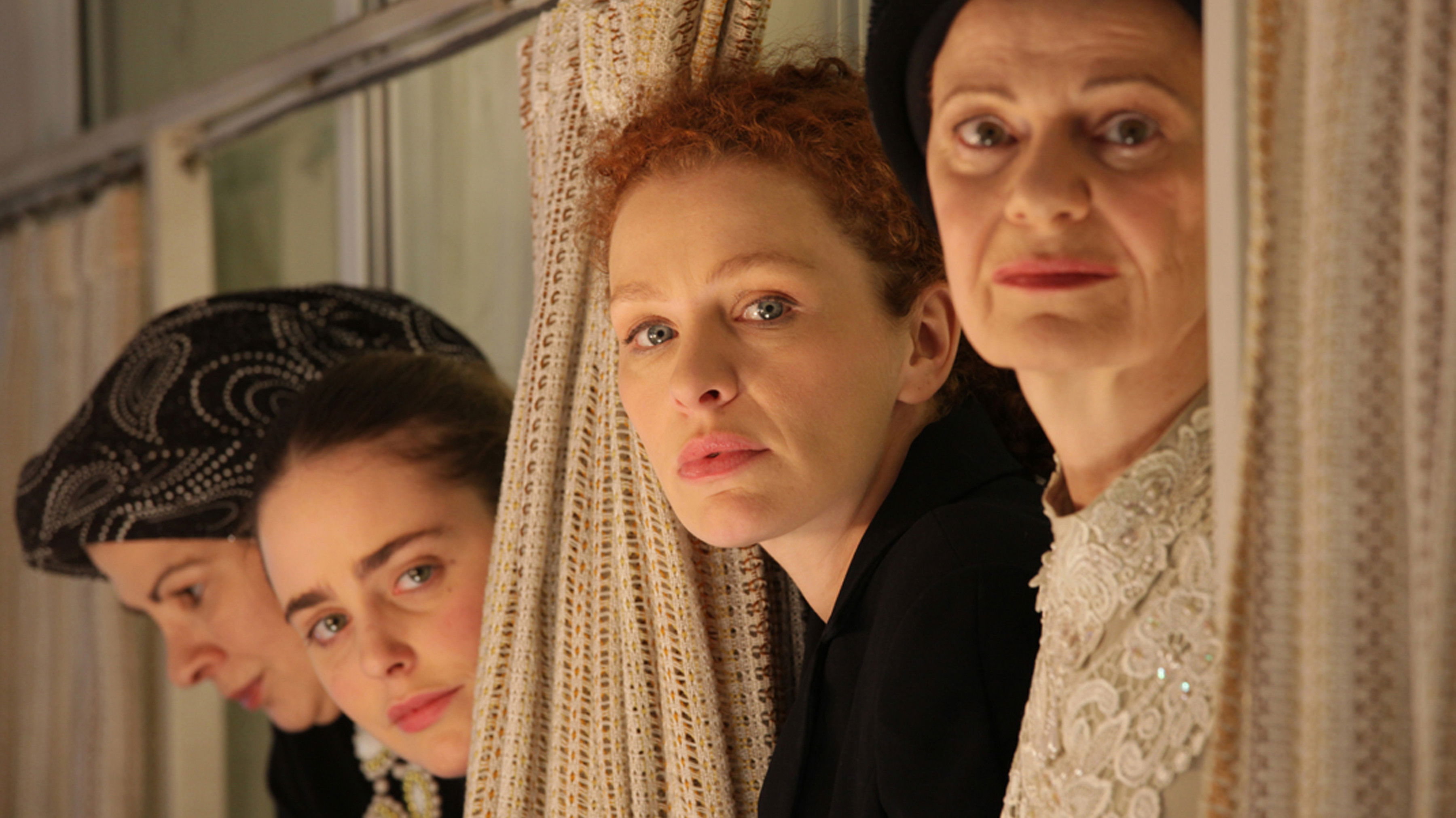
Eighteen-year-old Shira is the youngest daughter of the Mendelman family. She is about to be married off to a promising young man of the same age and background. It is a dream come true, and Shira feels prepared and excited. On Purim, her twenty-eight-year-old sister, Esther, dies while giving birth to her first child, Mordechay. The pain and grief that overwhelm the family postpone Shira's promised match. Everything changes when a match is proposed to Yochay-Esther's late husband-to a widow from Belgium. Yochay feels it's too early, although he realizes that sooner or later he must seriously consider getting married again. When the girls' mother finds out that Yochay may marry the widow and move to Belgium with her only grandchild, she proposes a match between Shira and the widower. Shira will have to choose between her heart's wish and her family duty. She will find out that the void which she must choose exists only within her heart.
Insights
Plot Summary
In Tel Aviv, a vibrant, observant Jewish family is shattered when the youngest daughter, Shira, dies in childbirth. Her older sister, Esther, is married to Shira's widower, Michael, and they have a baby son. However, Michael's family, fearing he will remarry and move to Belgium, hatches a plan: Esther should arrange for Michael to marry her younger sister, Shira, who is still unmarried. Shira is torn between her family's wishes and her own desires for love and independence.
Critical Reception
Fill the Void was widely acclaimed by critics for its sensitive portrayal of Haredi Jewish life, its nuanced performances, and its exploration of tradition versus personal desire. It was praised for offering an intimate and empathetic look into a community rarely depicted with such depth on screen.
What Reviewers Say
A deeply affecting and authentic portrayal of a closed community.
Features a remarkable central performance from Hadas Yaron.
Successfully balances cultural specificity with universal themes of love and duty.
Google audience: Audiences praised the film for its insightful look into Haredi Jewish culture and the compelling performances, particularly Hadas Yaron's. Many found the story to be moving and thought-provoking, appreciating its respectful yet honest depiction of familial and societal pressures.
Awards & Accolades
Won 6 Israeli Film Academy Awards including Best Film, Best Director, and Best Actress (Hadas Yaron). Nominated for Golden Lion at the Venice Film Festival.
Fun Fact
Director Rama Burshtein, who grew up in an Orthodox Jewish family, chose to make her directorial debut with this film after a long career in film editing, partly inspired by her own community and experiences.
AI-generated overview · Verify ratings on official sources