
Movie spotlight
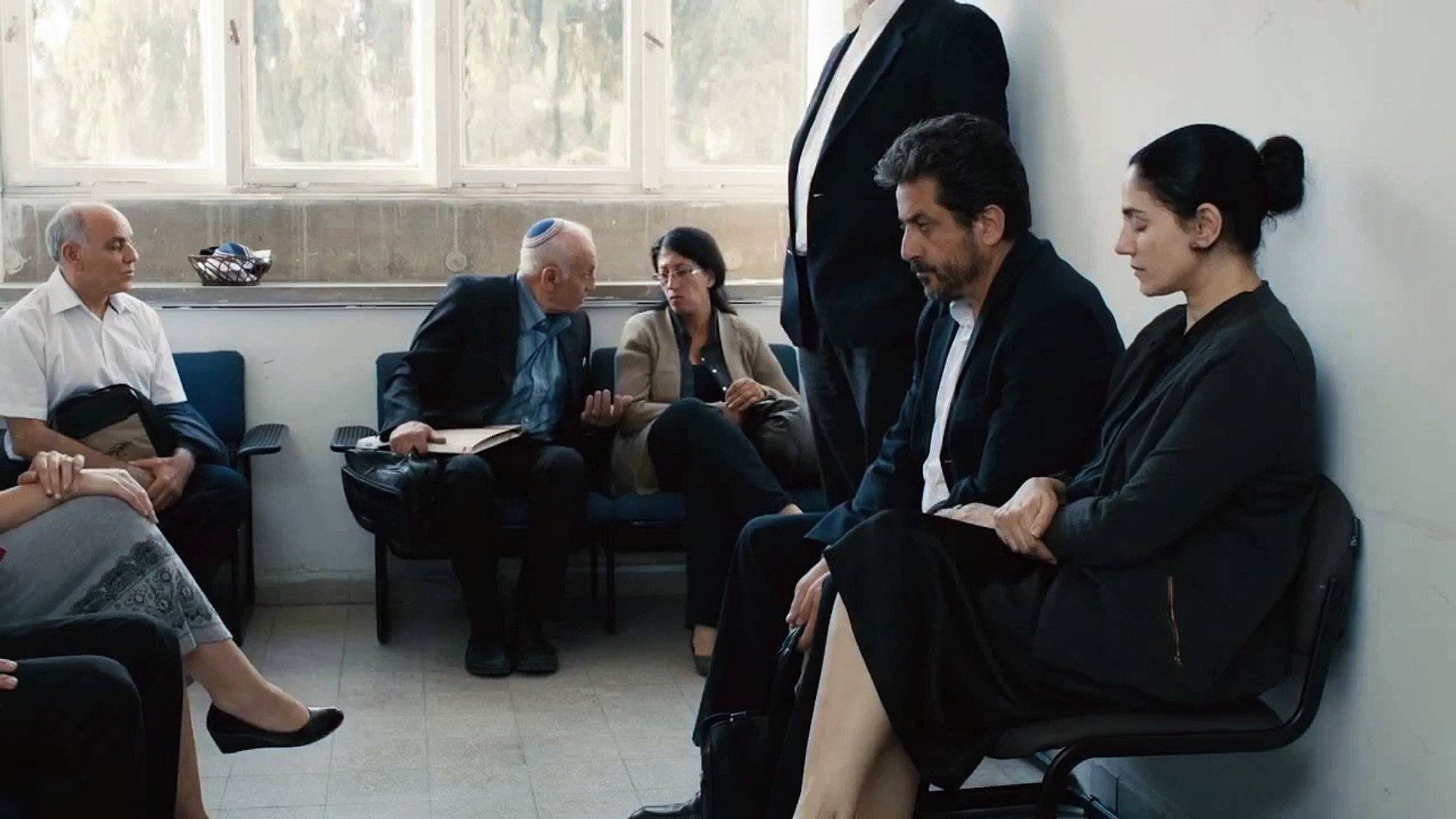
Gett: The Trial of Viviane Amsalem
The trial story of Viviane Amsalem's five year fight to obtain her divorce in front of the only legal authority competent for divorce cases in Israel, the Rabbinical Court.
Insights
Plot Summary
Viviane Amsalem is seeking a divorce from her husband, Ezer, but he refuses to grant her a get (religious divorce). The film chronicles her arduous, decade-long legal battle through the rabbinical court system in Israel, where women have limited agency. Facing bureaucratic hurdles and the intransigence of her husband and the court, Viviane's fight becomes a poignant and infuriating testament to the struggle for personal freedom and equality.
Critical Reception
Gett: The Trial of Viviane Amsalem received widespread critical acclaim for its powerful performances, particularly from Ronit Elkabetz, and its unflinching portrayal of the injustices within the Israeli religious divorce system. Critics praised its slow-burn tension and its effectiveness as both a personal drama and a broader social commentary.
What Reviewers Say
A searing and unforgettable portrayal of a woman's fight against a patriarchal legal system.
Ronit Elkabetz delivers a masterful performance, anchoring the film's emotional weight and dramatic power.
The film effectively highlights the frustrating and often absurd complexities of religious divorce laws.
Google audience: Google users highly praise the film's powerful storytelling and Ronit Elkabetz's incredible performance. Many found the film to be deeply moving and an important examination of gender inequality within legal systems. Some viewers expressed frustration with the slow pace but ultimately found the subject matter compelling.
Awards & Accolades
Nominated for Best Film at the Ophir Awards (Israeli Film Academy Awards). Won Best Actress for Ronit Elkabetz at the Ophir Awards. Screened at the Toronto International Film Festival and Cannes Film Festival.
Fun Fact
The film is the third installment in a trilogy by the Elkabetz siblings, following 'Tzapinit' (2004) and 'Seven Days' (2008), all exploring themes of family, gender, and Israeli society through the lens of female experience.
AI-generated overview · Verify ratings on official sources