Movie spotlight
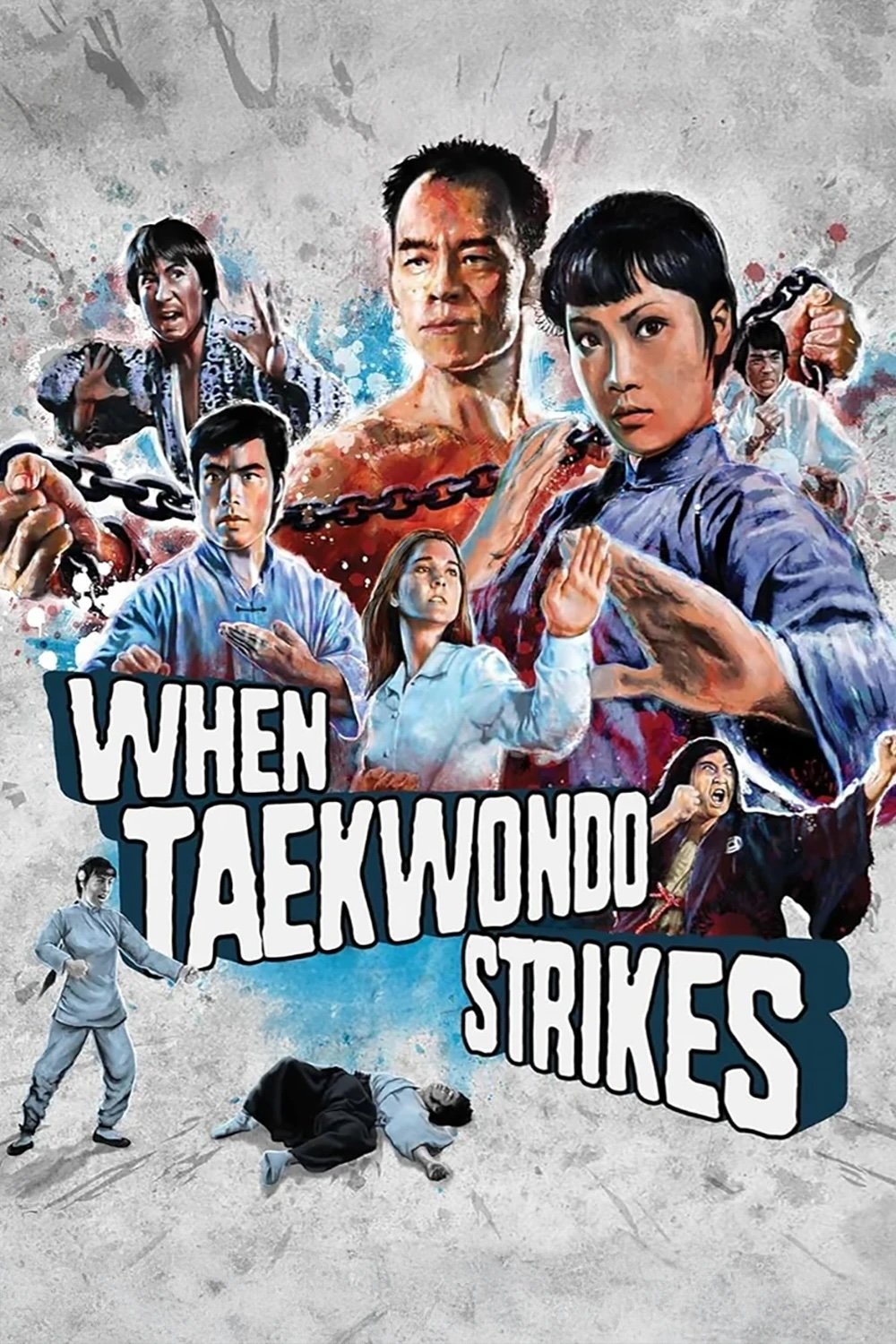
When Taekwondo Strikes
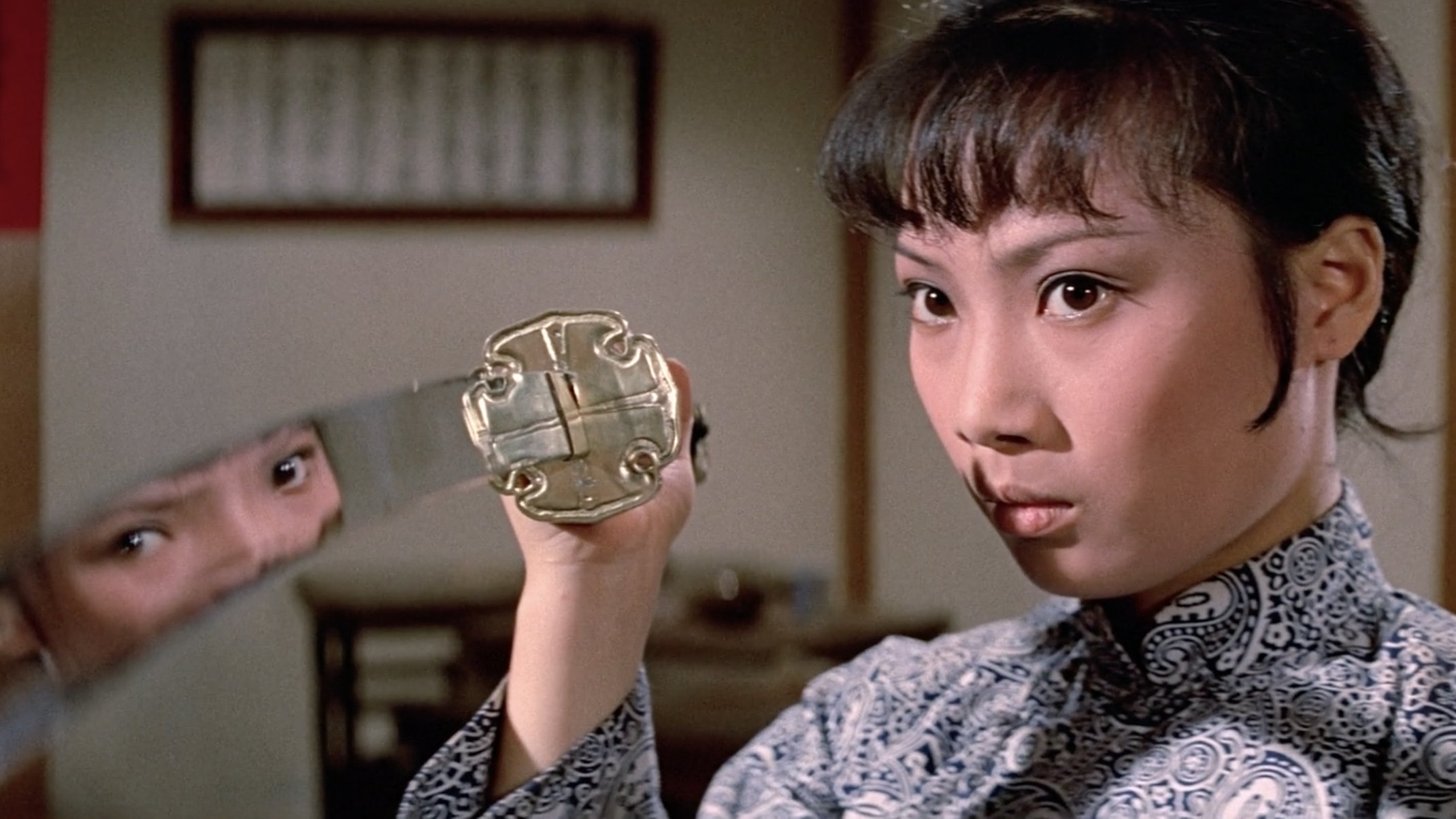
The story is about the Japanese occupation of Korea during World War II. A Korean patriot played by Carter Wong gets into a fight with some Japanese people and is chased into a church. The priest there is captured and tortured. Trying to secure his release, the leader of the resistance, Jhoon Rhee is himself captured and tortured by the Japanese. Carter Wong, Angela Mao and Anne Winton have to now try and rescue him. This leads to an explosive climax with the heroes having to fight the likes of Wong In Sik (Hwang In-Shik), Sammo Hung and Kenji Kazama.
Insights
Plot Summary
In a tumultuous era, a skilled martial artist seeks to protect his village from oppressive forces. He must hone his Taekwondo skills and rally the villagers to fight for their freedom against a tyrannical landlord and his ruthless enforcers. The story culminates in a climactic battle where justice and honor are put to the ultimate test.
Critical Reception
When Taekwondo Strikes is recognized as a classic of 1970s Korean martial arts cinema, praised for its authentic fight choreography and energetic pacing. While perhaps not reaching the international fame of some Hong Kong productions, it remains a beloved film among fans of the genre for its straightforward storytelling and impressive martial arts sequences.
What Reviewers Say
Praised for its dynamic and well-executed martial arts sequences.
Appreciated for its fast-paced action and engaging plot.
Considered a solid example of the martial arts genre from its era.
Google audience: Audience reception for 'When Taekwondo Strikes' is generally positive among martial arts film enthusiasts, who often highlight the film's authenticity in its depiction of Taekwondo and its exciting fight scenes.
Fun Fact
The film prominently features the dynamic kicks and stances characteristic of Taekwondo, contributing to the global popularization of the martial art through cinema.
AI-generated overview · Verify ratings on official sources