Movie spotlight
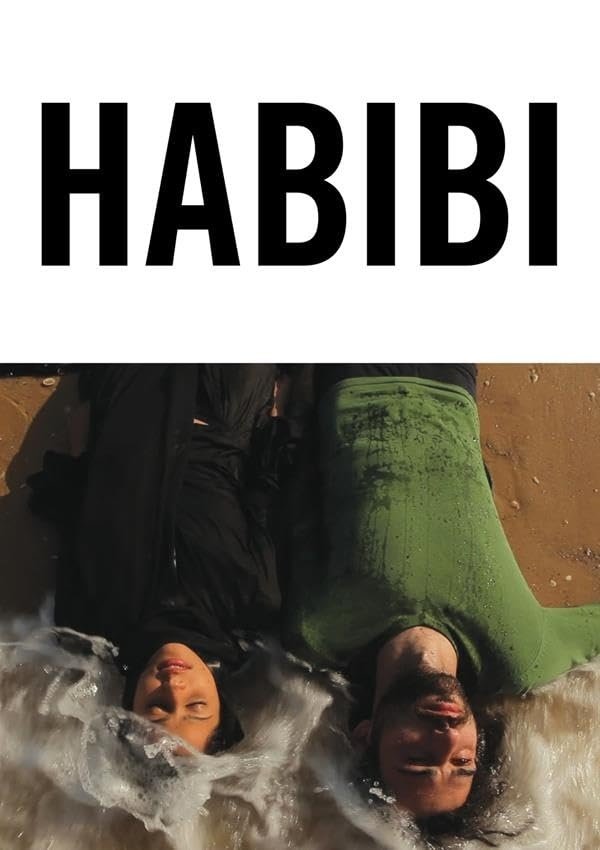
Habibi
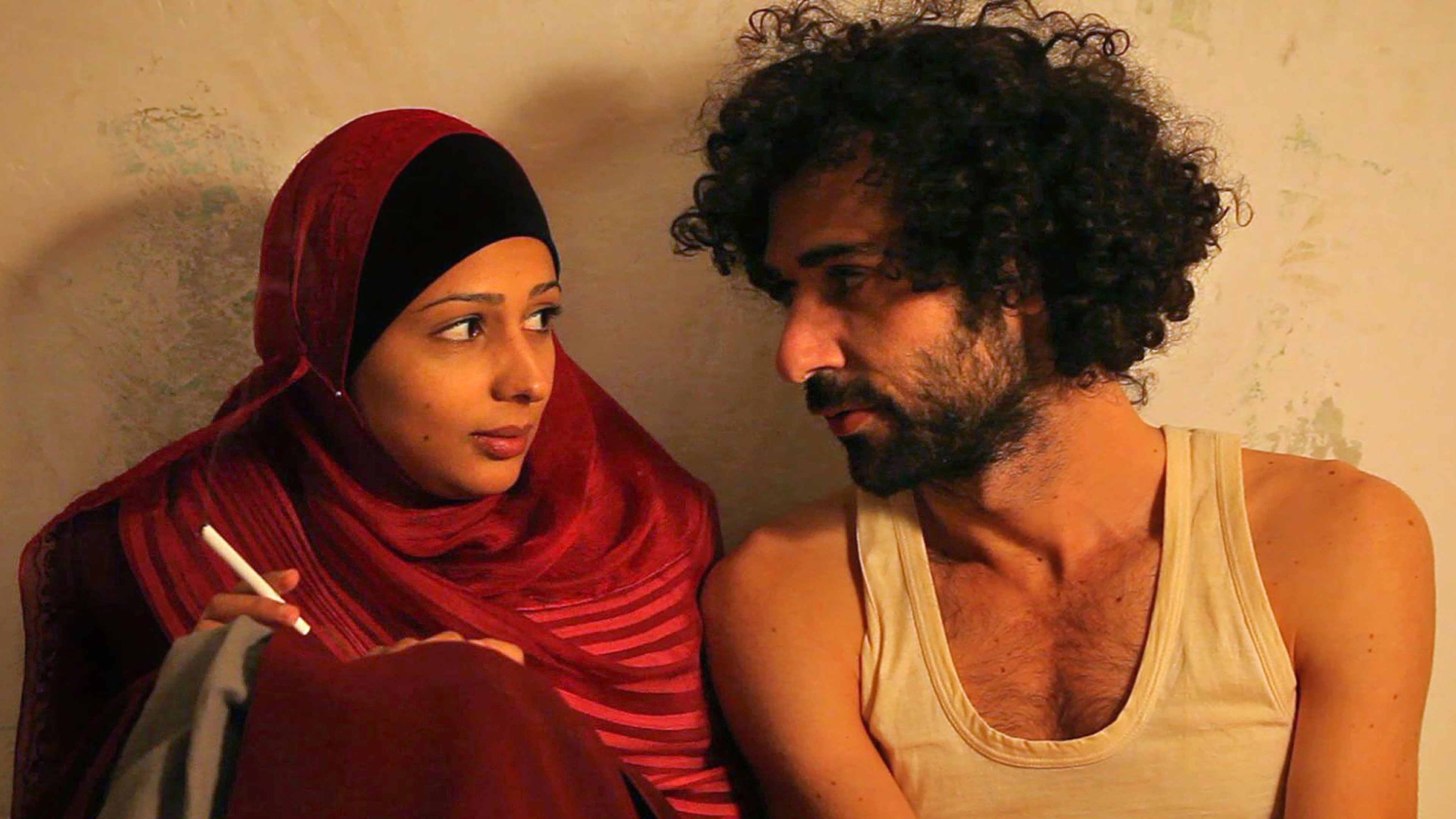
Two students in the West Bank are forced to return home to Gaza, where their love defies tradition. To reach his lover, Qays graffitis poetry across town. A modern retelling of the famous ancient Sufi parable Majnun Layla.
Insights
Plot Summary
In this contemporary adaptation of the classic Arabic "Layla and Majnun" tale, Habibi explores the forbidden love between Layla, a young Palestinian woman from a conservative family, and Qais, a charismatic poet from a rival faction. Set against the backdrop of occupied Palestine, their clandestine romance unfolds through secret messages and stolen moments, defying societal expectations and political strife. The film navigates the complexities of desire, duty, and the enduring power of love in a region fraught with tension.
Critical Reception
Habibi received a generally positive reception from critics, who praised its sensitive portrayal of young love amidst difficult circumstances and its unique artistic vision. While some noted its deliberate pacing, many highlighted its emotional depth and visual poetry as standout elements. It was recognized for its fresh take on a classic story and its exploration of Palestinian identity and societal pressures.
What Reviewers Say
Praised for its lyrical and visually rich storytelling.
Appreciated for its sensitive exploration of forbidden love and societal constraints.
Cited as a unique and contemporary adaptation of a classic Arabic romance.
Google audience: Google users generally responded positively to 'Habibi,' often highlighting its beautiful cinematography and the emotional resonance of the central love story. Many appreciated the film's cultural context and its ability to convey powerful emotions despite the characters' limited dialogue. Some viewers found the pacing to be slow at times, but the overall sentiment leans towards an appreciation for its artistic and romantic qualities.
Awards & Accolades
Nominated for the Grand Jury Prize at the Sundance Film Festival (2011).
Fun Fact
The film draws direct inspiration from the ancient Arabic epic poem "Layla and Majnun," which has been a popular source for artistic interpretations across various cultures for centuries.
AI-generated overview · Verify ratings on official sources