
Movie spotlight
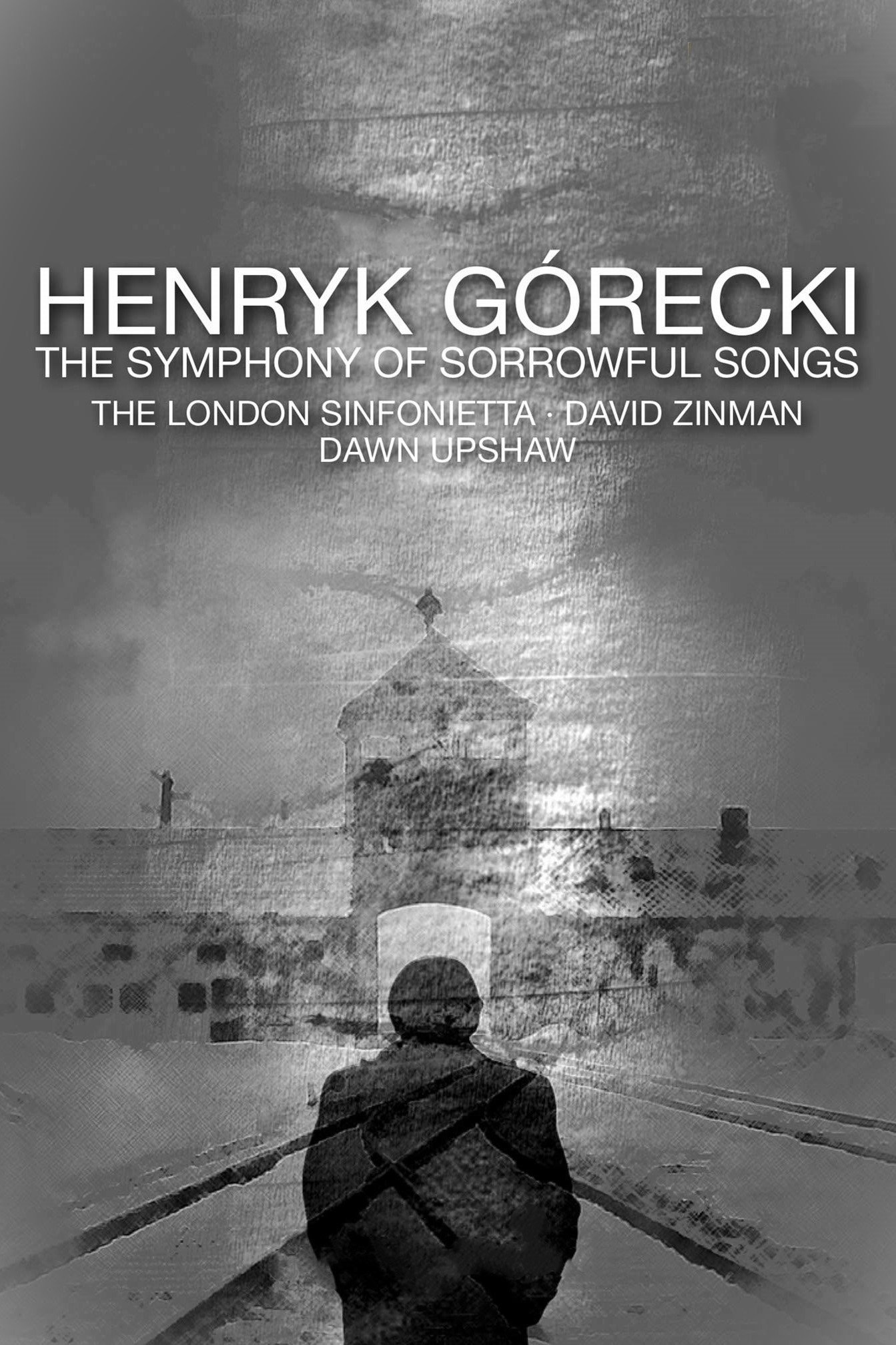
Henryk Górecki: The Symphony of Sorrowful Songs
This emotional film by the award-winning director Tony Palmer includes a performance of the “Third Symphony” by The London Sinfonietta alongside powerful footage of Górecki at Auschwitz and Birkenau.
Insights
Plot Summary
Henryk Górecki's Symphony No. 3, Op. 36, subtitled 'Symphony of Sorrowful Songs', is a three-movement symphony composed in 1976 but which gained international fame after a 1993 Nonesuch Records recording. The work is largely slow and meditative, featuring a soprano soloist. Its text is derived from prayers and inscriptions found on the walls of a Gestapo cell in occupied Poland, including a lament of a mother to her child and a prayer to the Virgin Mary. The symphony explores themes of suffering, endurance, and motherhood.
Critical Reception
The 1993 recording of Górecki's Third Symphony was a global phenomenon, achieving unexpected mainstream success and critical acclaim. It became one of the best-selling classical recordings of all time. Critics lauded its profound emotional depth, minimalist beauty, and haunting melodies, which resonated deeply with a wide audience.
What Reviewers Say
Praised for its overwhelming emotional power and serene beauty.
Hailed as a minimalist masterpiece that transcends genre boundaries.
Celebrated for its profound exploration of human suffering and resilience.
Google audience: Google users consistently praise the symphony for its deeply moving and cathartic experience. Many describe it as beautiful, spiritual, and incredibly sorrowful yet ultimately uplifting. Listeners often highlight its meditative quality and ability to evoke strong emotions.
Awards & Accolades
Grammy Award for Best Contemporary Classical Composition (1994).
Fun Fact
The 1993 recording of the Symphony of Sorrowful Songs became the best-selling classical album in the United States in its first week of release, surpassing all previous records for a classical work.
AI-generated overview · Verify ratings on official sources