Movie spotlight
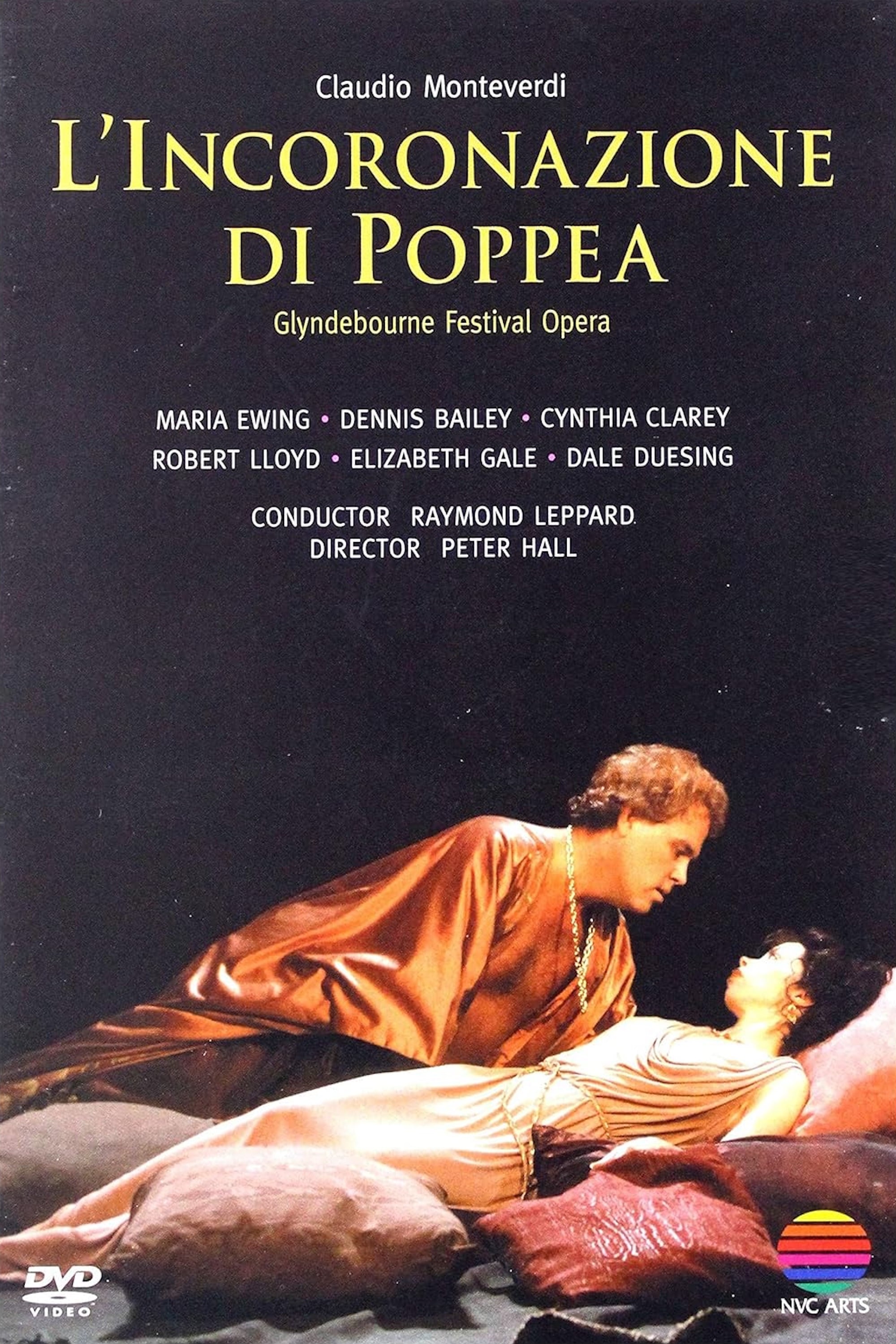
Monteverdi - L'Incoronazione Di Poppea
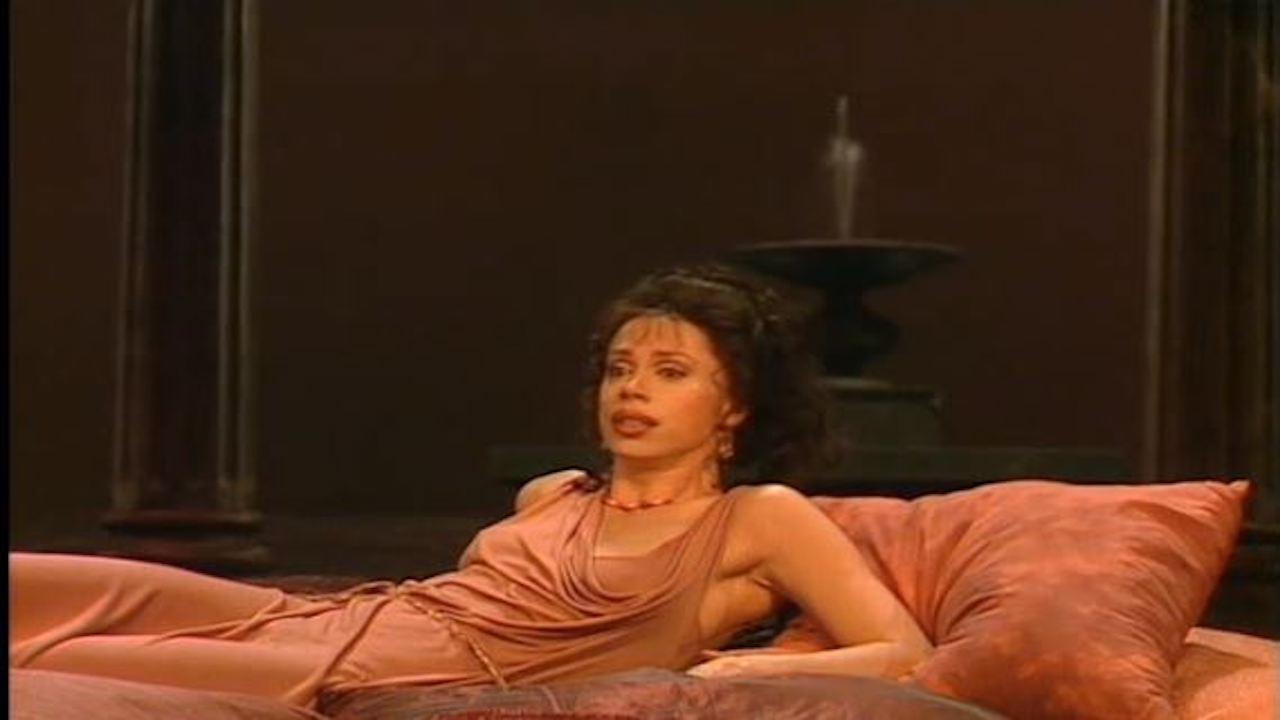
This is a finely tuned opera with music by the Italian composer, Claudio Monteverdi, libretto by G. E. Busenello, and the fine voices of contralto Maria Ewing, baritone Dennis Bailey, and several other sub-leads is not to be missed and will be fully enjoyed. No lead tenor here and none needed. No soprano here as a lead and none needed. One of the joys of my watching and listening outside the opera hall. The story line is strong and the tale well carried out.
Insights
Plot Summary
Set in ancient Rome, this opera chronicles the illicit affair between the Empress Poppaea and the Emperor Nero. As Nero grows weary of his current wife Octavia, Poppaea manipulates her way into his affections, leading to a series of political intrigues, betrayals, and banishments. The narrative culminates in Poppaea's coronation as Empress, achieved through ruthless ambition and the downfall of her rivals.
Critical Reception
Peter Sellars' innovative and controversial 1984 production of Monteverdi's 'L'Incoronazione di Poppea' at Glyndebourne garnered significant attention for its modern staging and bold directorial choices. While some critics lauded its intellectual rigor and daring reinterpretation, others found its anachronistic approach to be a distraction from the musical and dramatic core of the work. The performances, particularly Maria Ewing's portrayal of Poppaea, were widely praised.
What Reviewers Say
Praised for its intellectual depth and innovative staging.
Criticized by some for its perceived departure from historical context.
Maria Ewing's performance as Poppaea was a standout element.
Google audience: Audience reception for this specific production is difficult to gauge through broad online reviews, as it is primarily documented within specialized opera and theatre criticism.
Fun Fact
Peter Sellars set this 17th-century opera in the late 20th century, featuring characters like Fortune and Virtue as modern archetypes, a decision that sparked considerable debate among opera traditionalists and modernists alike.
AI-generated overview · Verify ratings on official sources