
Movie spotlight
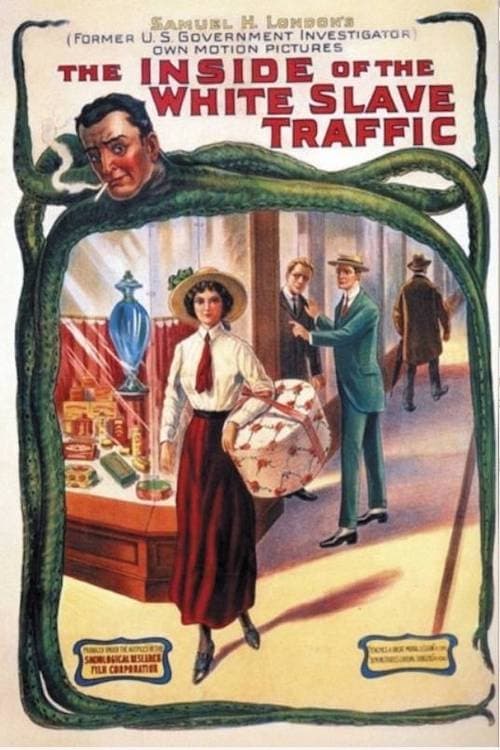
The Inside of the White Slave Traffic
A dramatization of the methods in which young women are abducted or otherwise procured for prostitution.
Insights
Plot Summary
This silent film exposes the grim realities of the white slave trade, following the story of a young woman named Mary who is lured from her rural home to the city under false pretenses. Once there, she falls victim to a nefarious ring that forces women into prostitution. The film depicts her struggle for survival and eventual rescue, aiming to shock audiences into awareness of the pervasive social issue.
Critical Reception
As a piece of early 20th-century social problem cinema, 'The Inside of the White Slave Traffic' was groundbreaking for its explicit (for the time) depiction of a taboo subject. It was lauded by some for its moralistic intent and its attempt to shed light on a hidden crime, though it also faced criticism for its sensationalism and melodramatic approach.
What Reviewers Say
Praised for its daring subject matter and moralistic message in an era when such topics were rarely discussed openly.
Criticized by some for its melodramatic tone and potentially exploitative sensationalism.
Viewed as an important, albeit flawed, attempt to use cinema as a tool for social reform and public awareness.
Google audience: Information on Google user reviews for this film from 1913 is not available.
Fun Fact
This film was produced by Universal Film Manufacturing Company and was part of a wave of films in the early 1910s that tackled social issues, often with a strong didactic purpose.
AI-generated overview · Verify ratings on official sources