
Kamurai
Good watch, would watch again, and can recommend. Jason Lee is consistently good, but his roles / movies seem to have the same vibe to them, and if you like those vibes like I do, you're usually pleased. This absurdity comedy is helpe...
Movie spotlight
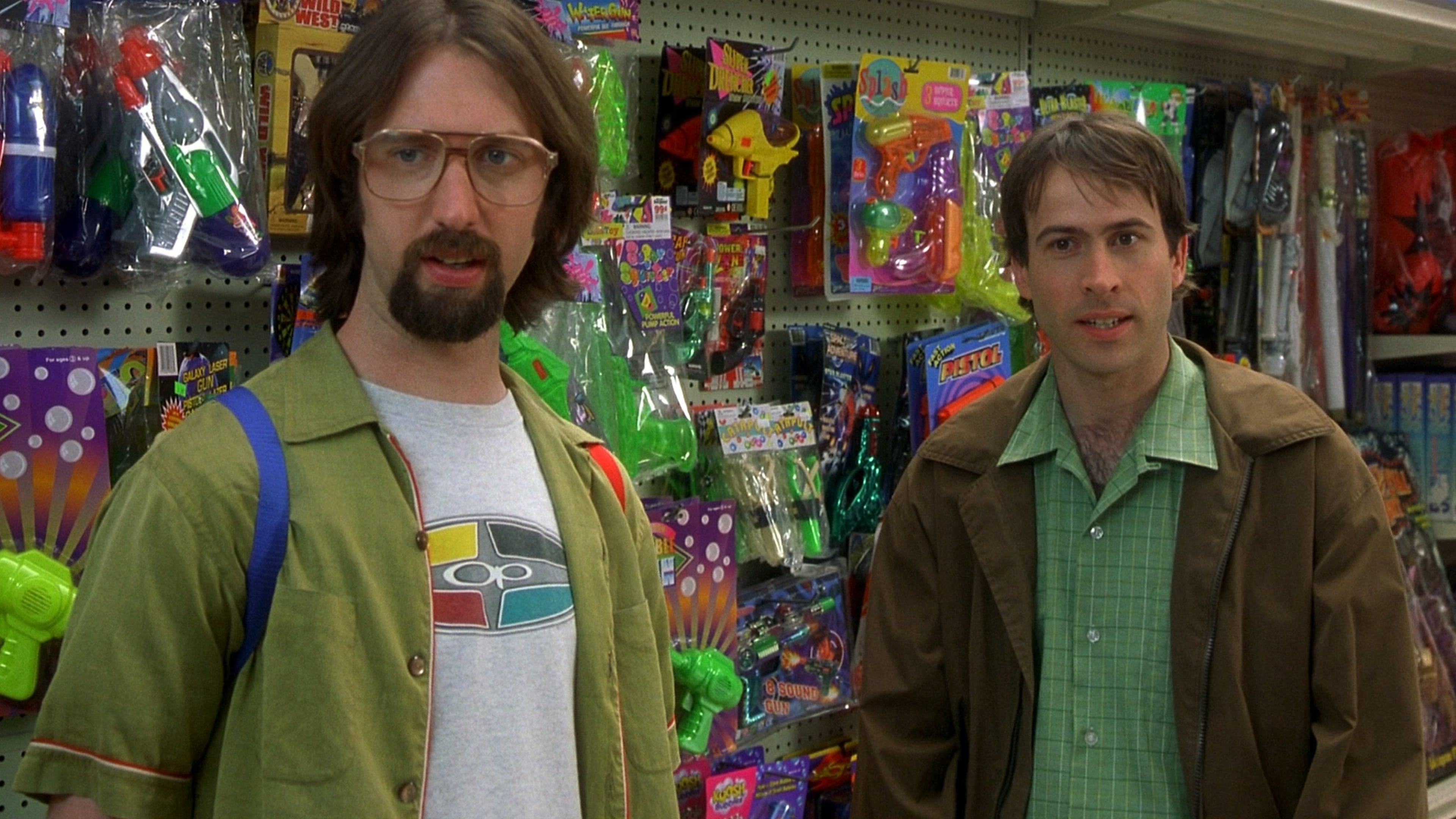
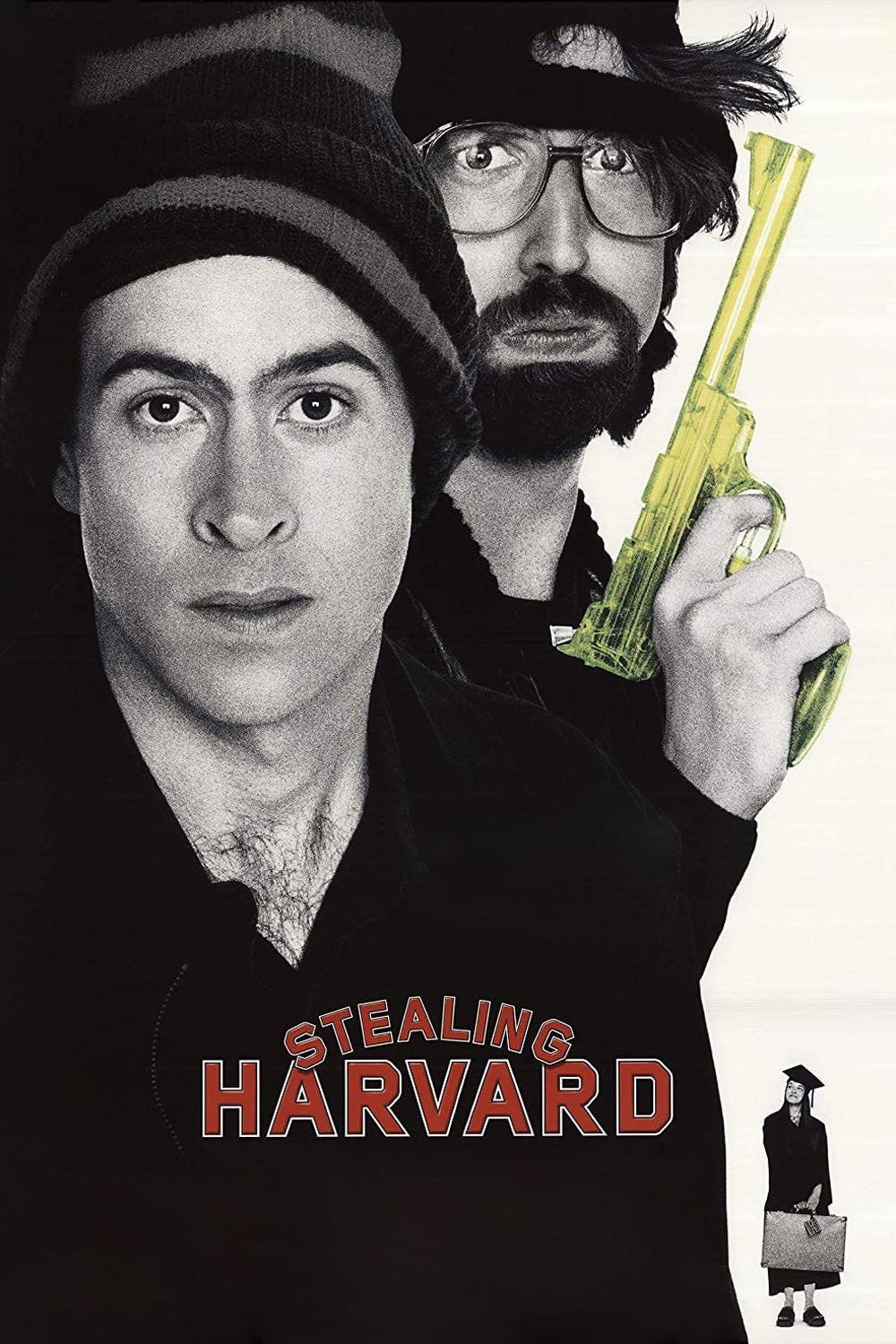
John and his girlfriend have vowed to marry once they save $30,000 for their dream house. But the minute they achieve their financial goal, John finds out his niece has been accepted at Harvard, and he's reminded of his promise to pay for her tuition (nearly $30,000). John's friend Duff convinces him to turn to petty crime to make the payment … but Duff's hare-brained schemes spin quickly out of control.
A recently sober ex-con, John Plummer, is trying to go straight and save money to buy a house with his fiancée, Claire. His plans are thrown into chaos when his irresponsible, kleptomaniac friend, Duff, shows up and inadvertently steals a briefcase containing $3 million in cash. Duff believes the money is rightfully his, and John must go along with his friend's increasingly absurd scheme to avoid trouble with the law and the dangerous people who want the money back.
Stealing Harvard was a critical and commercial failure. Critics widely panned its predictable plot, weak humor, and the performances of its lead actors. Audiences largely agreed, making it one of the lowest-grossing films of 2002.
Relies heavily on a tired premise and unfunny slapstick.
The humor falls flat, with the script lacking wit and originality.
Performances from the lead actors are generally considered uninspired.
Google audience: Google users expressed significant disappointment with the film, finding it to be a waste of time with poor comedic timing and a nonsensical plot. Many felt the film failed to deliver on its premise and was generally unfunny.
Despite the film's poor reception, director Charles Herman-Wurmfeld would go on to direct the critically acclaimed film 'Legally Blonde'.
AI-generated overview · Verify ratings on official sources
Good watch, would watch again, and can recommend. Jason Lee is consistently good, but his roles / movies seem to have the same vibe to them, and if you like those vibes like I do, you're usually pleased. This absurdity comedy is helpe...