
Movie spotlight
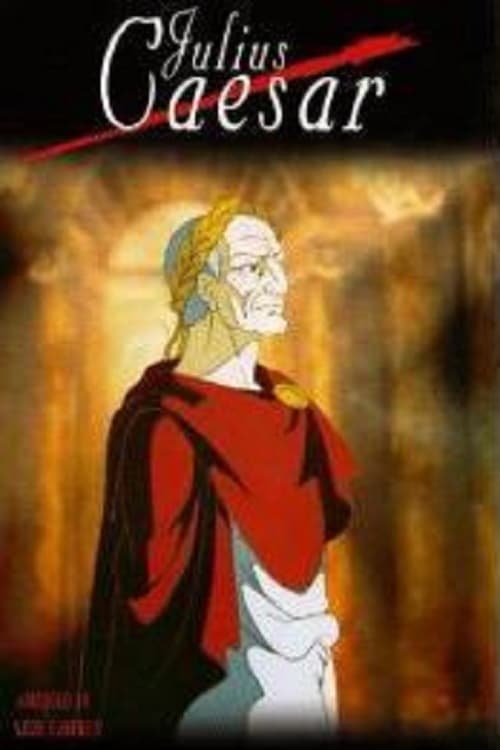
Julius Caesar
A compelling study of personal ambition versus the good of the state.
Insights
Plot Summary
In a surreal and anachronistic setting, a young man named Julius Caesar is deeply affected by the death of his father, a prominent politician. He navigates a world of shifting allegiances and power struggles, mirroring the historical figure's rise and fall. The film blends elements of ancient Rome with Soviet-era aesthetics, creating a unique and thought-provoking commentary on power and destiny.
Critical Reception
The 1994 film "Julius Caesar" by Yevgeny Livnev received mixed to positive reviews. Critics often praised its artistic vision and unique approach to the historical subject matter, particularly its blend of ancient history with contemporary Soviet realities. However, some found its allegorical nature and surreal elements to be challenging or obscure.
What Reviewers Say
Praised for its bold artistic interpretation and unique visual style.
Noted for its complex allegorical narrative exploring power and fate.
Some found the film's surrealism and historical anachronisms to be distancing.
Google audience: Information regarding specific Google user reviews and ratings for this film is not readily available.
Fun Fact
The film is notable for its unusual combination of ancient Roman themes with the visual and political atmosphere of late Soviet Russia, creating a distinct and allegorical portrayal of power dynamics.
AI-generated overview · Verify ratings on official sources