
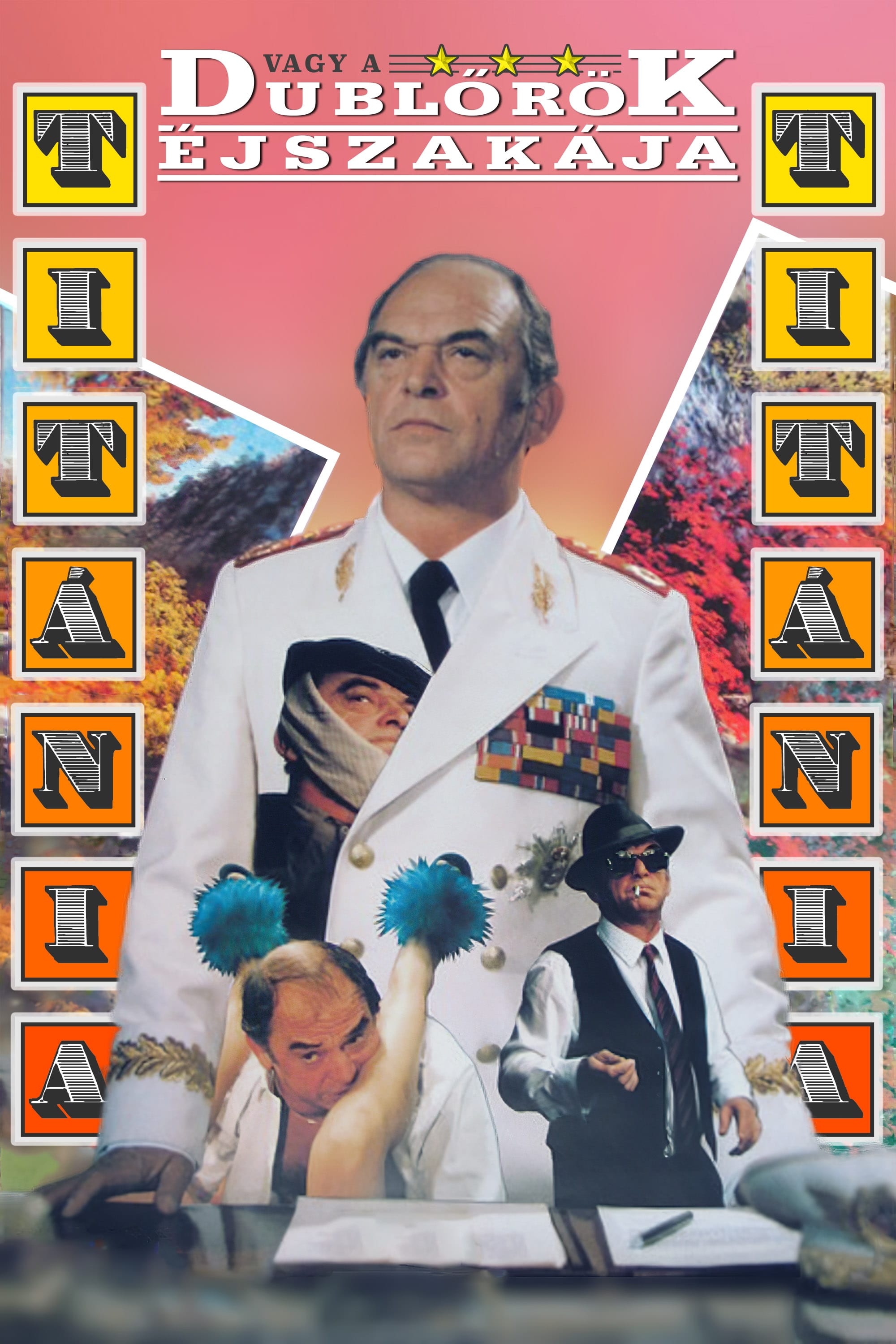
Movie spotlight
Titania, Titania, or the Night of the Stand-Ins
Never miss a satire if you'd like to have a wider view of the 60's or 70's (and maybe the 80's) Eastern Europe. Both the regime and behavior of people are pilloried, with many-many hints that show deeper details of the correlation of the two. And the creators didn't miss to have some words about the West and it's part of this history. But don't sit down to see the film if you'd like to have a light funny evening movie, 'cause that will lash up your feelings alright. The director is that same Peter Bacso, who directed the legendary satire 'A tanu' (The witness) which deals with the same historical era, the same relations between politics and the people, just from a little different point of view.
Insights
Plot Summary
In a Hungarian psychiatric hospital, a young patient named Titania becomes fixated on a visiting actress, believing her to be her mother. As Titania's delusion grows, she begins to intertwine the actress's life with her own traumatic past, blurring the lines between reality and fantasy. The hospital staff struggles to understand and treat Titania's complex psychological state, while the actress finds herself increasingly drawn into the patient's world. The film explores themes of identity, memory, and the elusive nature of truth within the confines of mental illness.
Critical Reception
Titania, Titania, or the Night of the Stand-Ins is a lesser-known but critically acclaimed Hungarian film that gained attention for its powerful exploration of mental illness and its haunting atmosphere. Critics praised its psychological depth, strong performances, and artistic direction, though some found its narrative challenging and ambiguous. It is regarded as a significant work within Hungarian cinema for its sensitive portrayal of a difficult subject.
What Reviewers Say
Praised for its deeply psychological and empathetic portrayal of a patient's inner world.
Lauded for its atmospheric direction and compelling performances, particularly from the lead actress.
Noted for its challenging narrative structure that demands viewer engagement with themes of reality and delusion.
Google audience: Information regarding specific Google user reviews and their sentiment is not readily available for this film.
Fun Fact
The film was made with a limited budget, showcasing the creative resourcefulness of its director and cast within the Hungarian film industry of the late 1980s.
AI-generated overview · Verify ratings on official sources