
Movie spotlight
Magtymguly
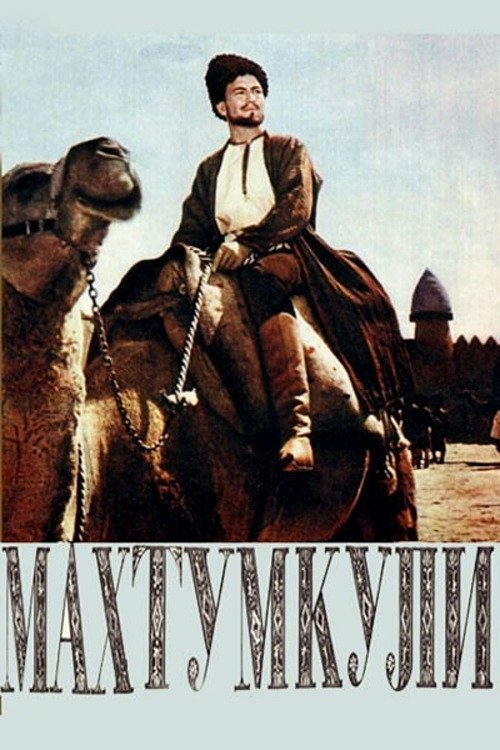
The film is based on K. Kuliev's novel "Magtymguly". A story about a Turkmen spiritual leader, philosophical poet, Sufi and traveller who wrote under the pen name Pyragy (Feraghi) and is considered to be the most famous figure in Turkmen literary history. After graduating from the Khiva Madrasa, the poet Pyragy (Feraghi) Magtymguly returns to his native Turkmen aul. He teaches children, composes poems, loves a beautiful girl and is loved by her. But local bey Cherkez-khan does not like the poet's calls to unite Turkmens, and his soldiers burn the village. Khan appoints the captured Magtymguly his court poet but, having received a refusal, the tyrant orders to kill the poet. But the guard helps the poet to escape. Having returned to the burnt aul, Magtymguly begins to call on Turkmens to unite with Russia, because they could not deal with their troubles alone.
Insights
Plot Summary
The film chronicles the life and times of Magtymguly Pyragy, a renowned Turkmen poet and philosopher of the 18th century. It depicts his struggles against oppression, his deep connection to his people, and the enduring power of his poetry to inspire and unite them. Through his journey, the film highlights themes of freedom, justice, and the pursuit of knowledge.
Critical Reception
As a Soviet-era production focusing on a national cultural hero, "Magtymguly" was likely received positively within Turkmenistan and the Soviet Union for its portrayal of a significant historical figure. International reception is not widely documented, but its historical and biographical nature would have appealed to audiences interested in cultural narratives.
What Reviewers Say
A reverent portrayal of a pivotal Turkmen historical and literary figure.
Captures the spirit of resistance and the enduring legacy of Magtymguly's poetry.
Offers insights into 18th-century Turkmen society and the role of art in national identity.
Google audience: Information on Google user reviews for this specific film is not readily available in English-language sources.
Fun Fact
The film was made during a period when the Soviet Union actively promoted and produced films about national poets and historical figures to foster a sense of shared cultural heritage.
AI-generated overview · Verify ratings on official sources