
It's Good to Be Alive
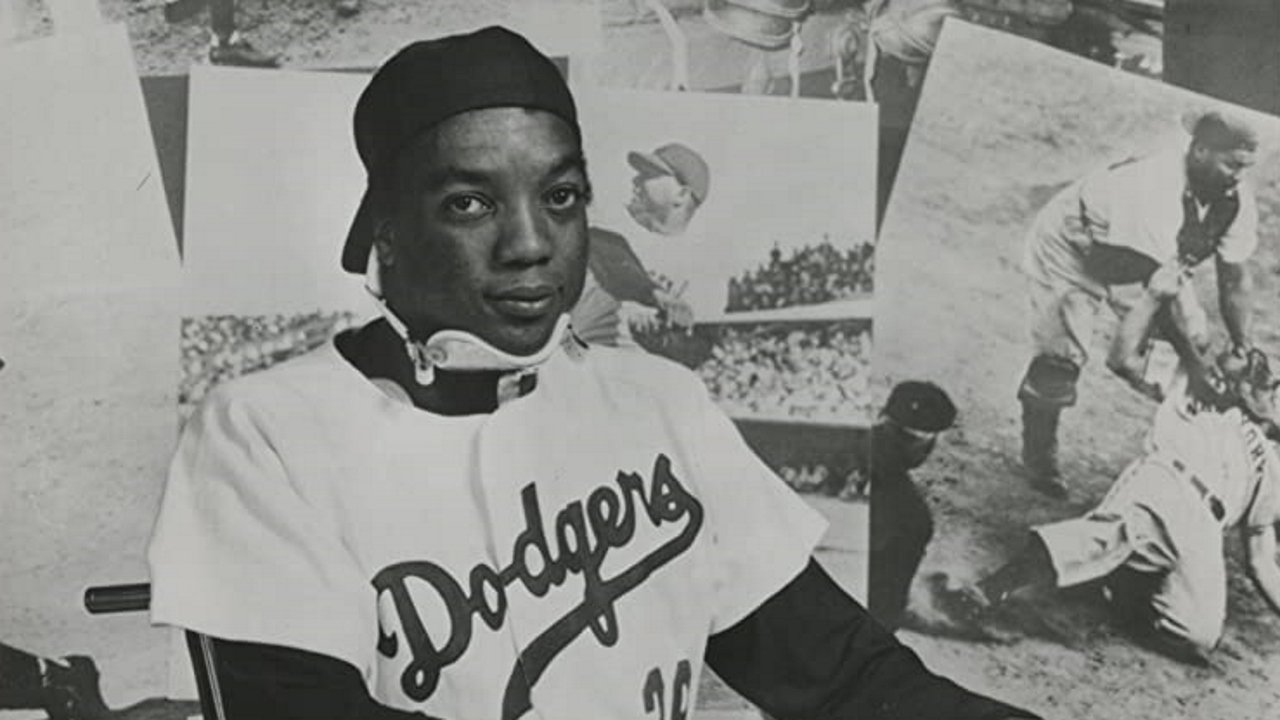
This movie details the struggles of former Brooklyn Dodger catcher Roy Campanella to adapt to life in a wheelchair following his crippling automobile accident in 1959. Cinematographer Ted Voigtlander was Emmy-nominated.
Insights
Plot Summary
This biographical drama chronicles the inspiring life of Roy Campanella, a pioneering African-American catcher in Major League Baseball. Despite facing intense racial prejudice, Campanella achieved immense success and became a beloved figure in the sport. The film also depicts the devastating car accident that ended his career and his subsequent struggle to adapt to life with paralysis.
Critical Reception
Upon its release, 'It's Good to Be Alive' was largely praised for its sensitive portrayal of Roy Campanella's life and struggles. Critics commended Leonard Frey's performance as Campanella, noting his ability to convey both the triumph and the tragedy of the baseball legend. The film was seen as a powerful testament to human resilience in the face of adversity, resonating with audiences for its emotional depth and inspirational message.
What Reviewers Say
- A moving and inspiring biopic that effectively captures the essence of Roy Campanella's life.
- Leonard Frey delivers a powerful and sympathetic performance as the legendary catcher.
- The film handles sensitive themes of race, disability, and perseverance with grace and dignity.
Google audience: Information regarding specific Google user reviews and ratings for this older film is not readily available.
Fun Fact
The film was based on the autobiography of Roy Campanella, also titled 'It's Good to Be Alive,' which he dictated after his accident.
AI-generated overview · Verify ratings on official sources