Movie spotlight
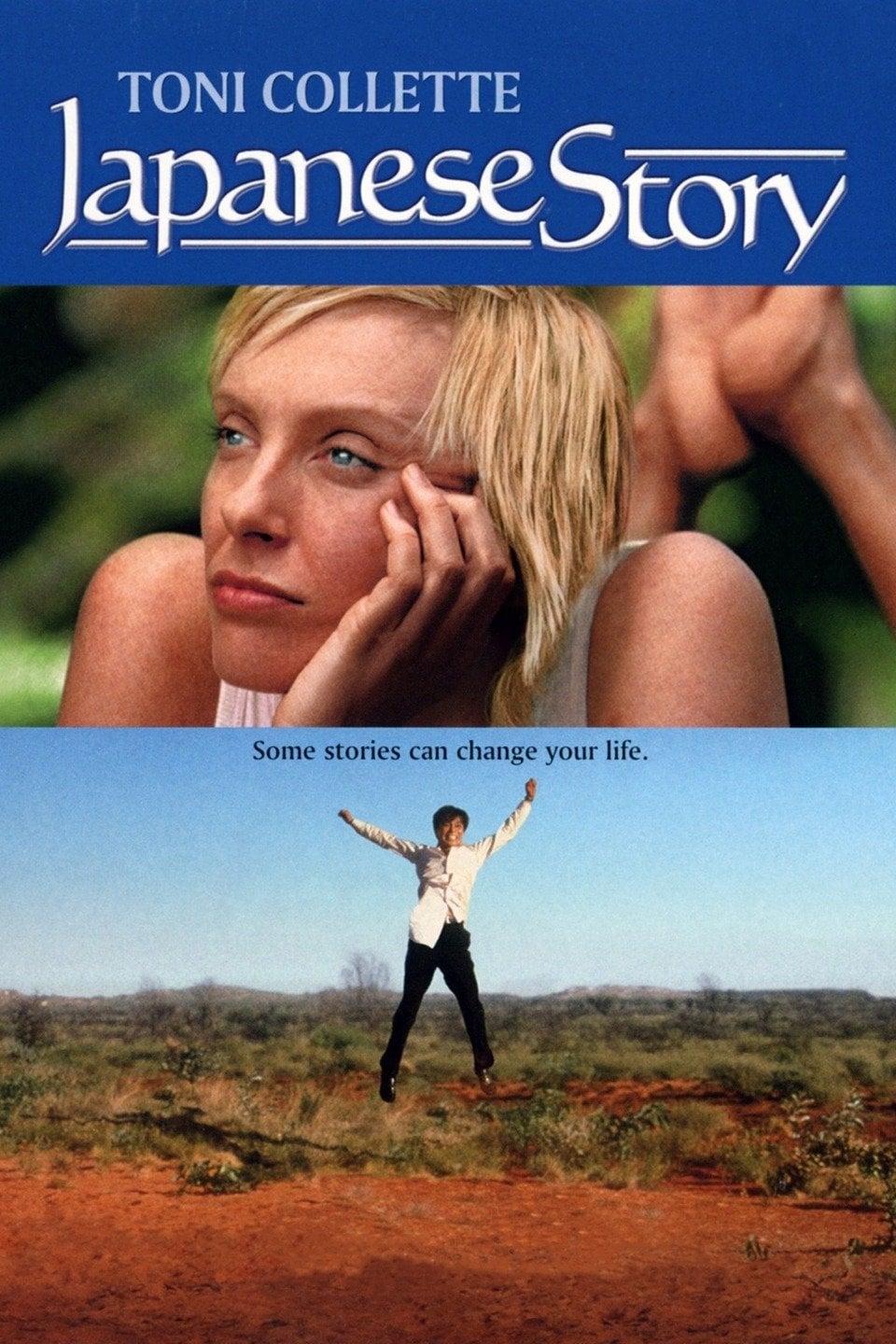
Japanese Story
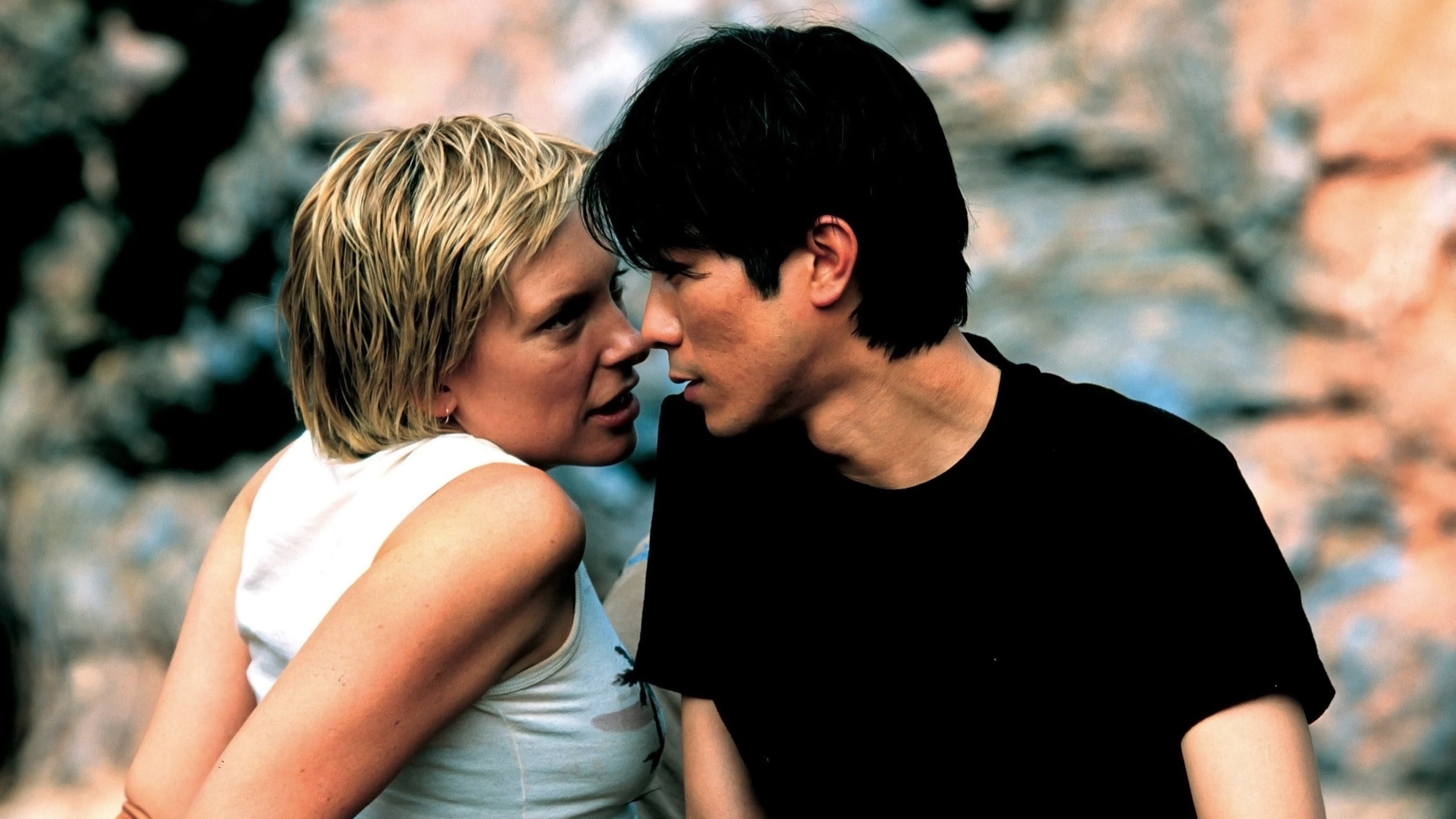
Sandy, a geologist, finds herself stuck on a field trip to the Pilbara desert with a Japanese man she finds inscrutable, annoying and decidedly arrogant. Hiromitsu's view of her is not much better. Things go from bad to worse when they become stranded in one of the most remote regions on Earth.
Insights
Plot Summary
Sandy, a geologist, travels to a remote part of Western Australia to conduct research. While there, she becomes entangled with the enigmatic Hiromi, the owner of a local hotel, and his mysterious past. As their relationship deepens, Sandy finds herself drawn into a complex emotional landscape, confronting her own desires and the unspoken histories that connect them.
Critical Reception
Japanese Story received generally positive reviews from critics, who praised its atmospheric storytelling, strong performances, particularly from Toni Collette, and its subtle exploration of cultural differences and emotional connection. Some found the pacing deliberate, but overall it was seen as a thoughtful and visually striking film.
What Reviewers Say
Praised for its evocative atmosphere and visual beauty.
Toni Collette's performance is a standout, bringing depth to her character.
The film offers a poignant and understated exploration of human connection and longing.
Google audience: Audiences appreciated the film's unique storytelling and the emotional resonance of the central relationships. Many found it to be a visually engaging and thought-provoking experience.
Awards & Accolades
Screened in competition at the Cannes Film Festival (2003), and won the Golden Tulip Award at the Istanbul International Film Festival (2004). Toni Collette received an AFI Award nomination for Best Actress.
Fun Fact
The film was shot on location in the vast, remote Pilbara region of Western Australia, which plays a significant role in establishing the movie's unique atmosphere.
AI-generated overview · Verify ratings on official sources