
Movie spotlight
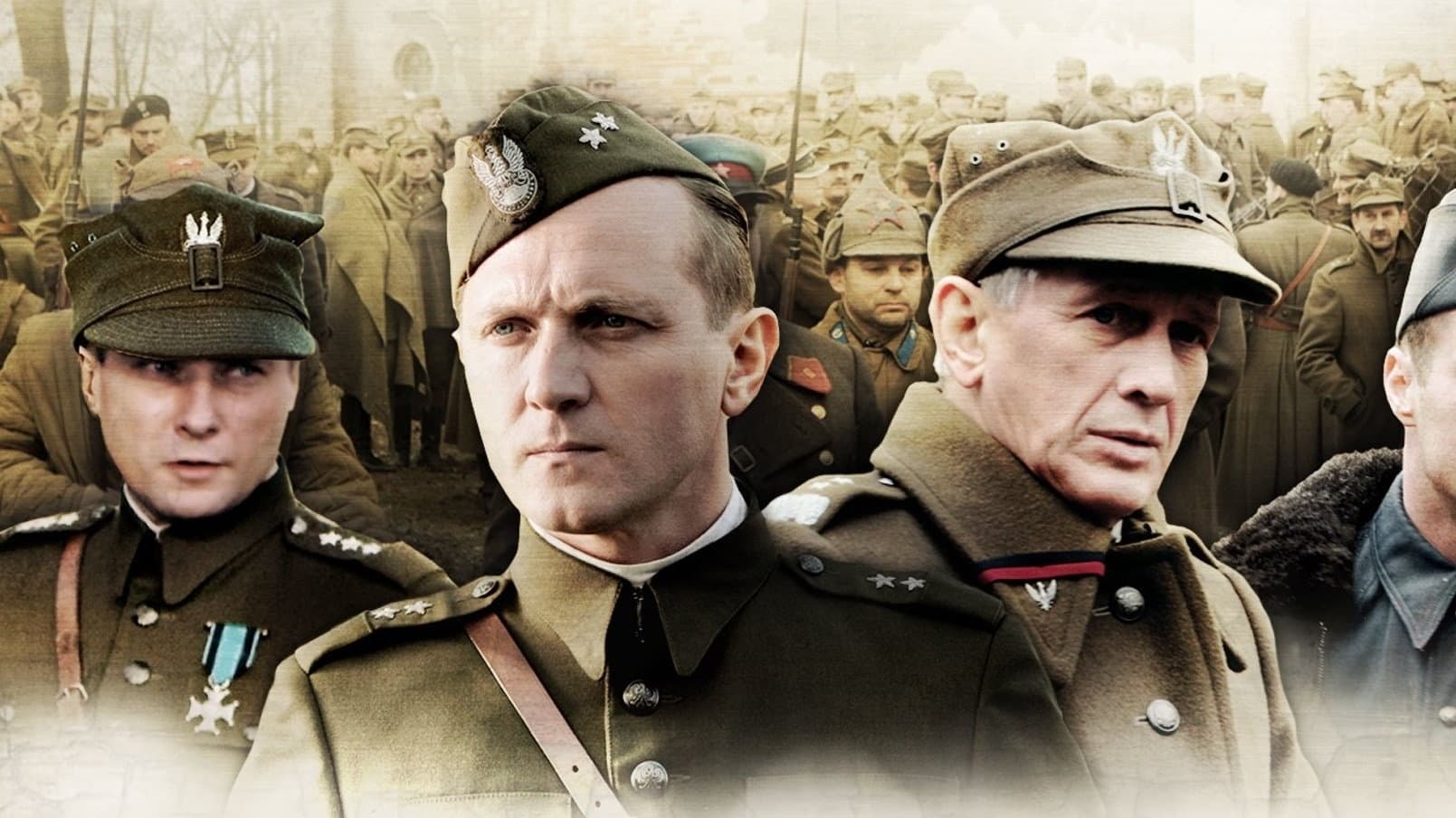
Katyn
On September 1st, 1939, Nazi Germany invades Poland, unleashing World War II. On September 17th, the Soviet Red Army crosses the border. The Polish army, unable to fight on two fronts, is defeated. Thousands of Polish men, both military and government officials, are captured by the invaders. Their fate will only be known several years later.
Insights
Plot Summary
Katyn chronicles the tragic events of the 1940 Katyn massacre, where Soviet NKVD forces executed thousands of Polish military officers and intelligentsia. The film depicts the differing fates of the officers' families in Poland, particularly their struggle to uncover the truth amidst Soviet propaganda and denial. It highlights the pain, loss, and resilience of the women and children left behind as they navigate a world shaped by betrayal and historical revisionism.
Critical Reception
Katyn was met with significant critical acclaim, particularly for its powerful portrayal of a suppressed historical event and Andrzej Wajda's masterful direction. While acknowledging its somber and unflinching depiction of tragedy, critics praised its emotional depth and historical significance. Audiences were moved by its tribute to the victims and its unflinching look at the Soviet regime's atrocities.
What Reviewers Say
A deeply affecting and historically significant film that bravely confronts a dark chapter of 20th-century history.
Praised for its powerful direction and poignant performances, particularly in depicting the suffering of families.
Though difficult to watch, it is considered an important and necessary cinematic memorial.
Google audience: Google users frequently commend the film for its historical importance and emotional impact, recognizing it as a vital piece of Polish cinema. Many appreciate its respectful and sensitive portrayal of the Katyn massacre and its victims. The film is often described as moving and thought-provoking, with viewers expressing admiration for its artistic merit and courage in addressing such a sensitive topic.
Awards & Accolades
Nominated for the Best Foreign Language Film at the 80th Academy Awards.
Fun Fact
Director Andrzej Wajda's own father, Jakub Wajda, was among the Polish officers murdered in the Katyn massacre, making the film a deeply personal project for him.
AI-generated overview · Verify ratings on official sources