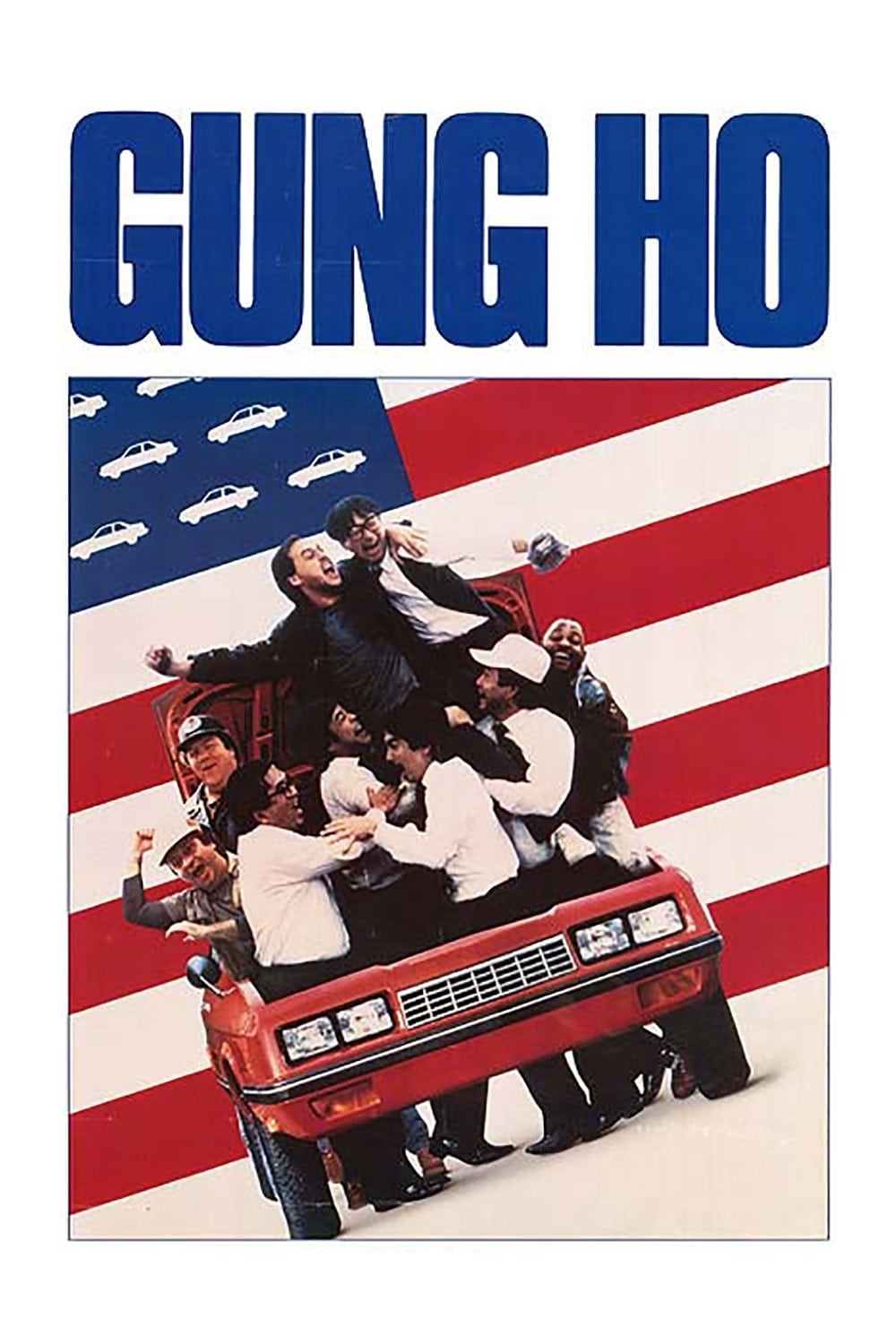
Gung Ho
Gung Ho

Gung Ho

1986Movie111 minEnglish

When a western Pennsylvania auto plant is acquired by a Japanese company, brokering auto worker Hunt Stevenson faces the tricky challenge of mediating the assimilation of two clashing corporate cultures. At one end is the Japanese plant manager and the sycophant who is angling for his position. At the other, a number of disgruntled long-time union members struggle with the new exigencies of Japanese quality control.

Read Reviews

Insights

IMDb6.7/10
Rotten Tomatoes71%
Metacritic61/100
Google Users80%
Director: Ron HowardGenres: Comedy, Drama

Plot Summary

When an American auto plant closes, its former workers are thrilled when a Japanese company, based in Tokyo, buys it and reopens it. However, the cultural differences between the American workers and their new Japanese management soon lead to hilarious and sometimes tense situations. The film explores the challenges of cross-cultural collaboration and the impact of globalization on local communities.

Critical Reception

Gung Ho received generally positive reviews from critics, who praised its humor, performances, and its timely exploration of American-Japanese business relations. While some found the plot a bit predictable, the film was widely appreciated for its ability to balance comedy with a thoughtful message about cultural understanding and the struggles of the working class.

What Reviewers Say

  • Praised for its humorous depiction of cultural clashes in the workplace.
  • Michael Keaton's performance as the union leader was frequently highlighted.
  • Appreciated for its accessible, if somewhat simplified, look at globalization's impact.

Google audience: Google users largely enjoyed "Gung Ho," finding it a funny and engaging film that effectively portrays the friction and eventual cooperation between American and Japanese cultures in a business setting. Many appreciated the performances and the film's ability to tackle serious issues with a lighthearted touch.

Fun Fact

The film's script was inspired by a 1982 article in Fortune magazine about a Japanese auto plant in Marysville, Ohio.

AI-generated overview · Verify ratings on official sources

My Review