Movie spotlight
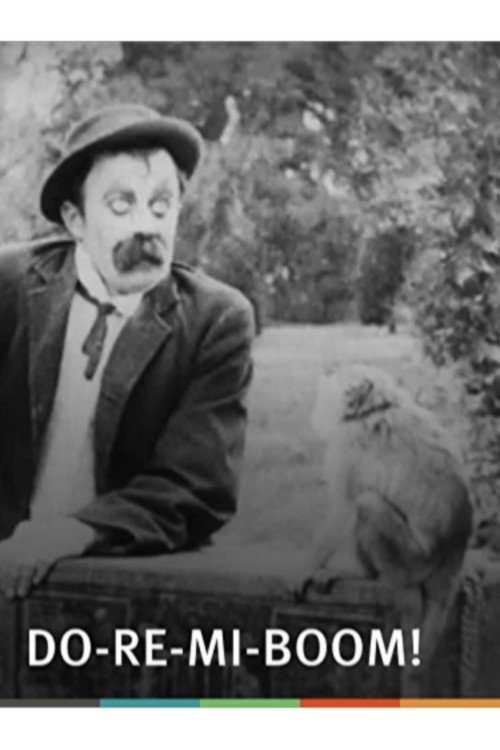
Do-Re-Mi-Boom!
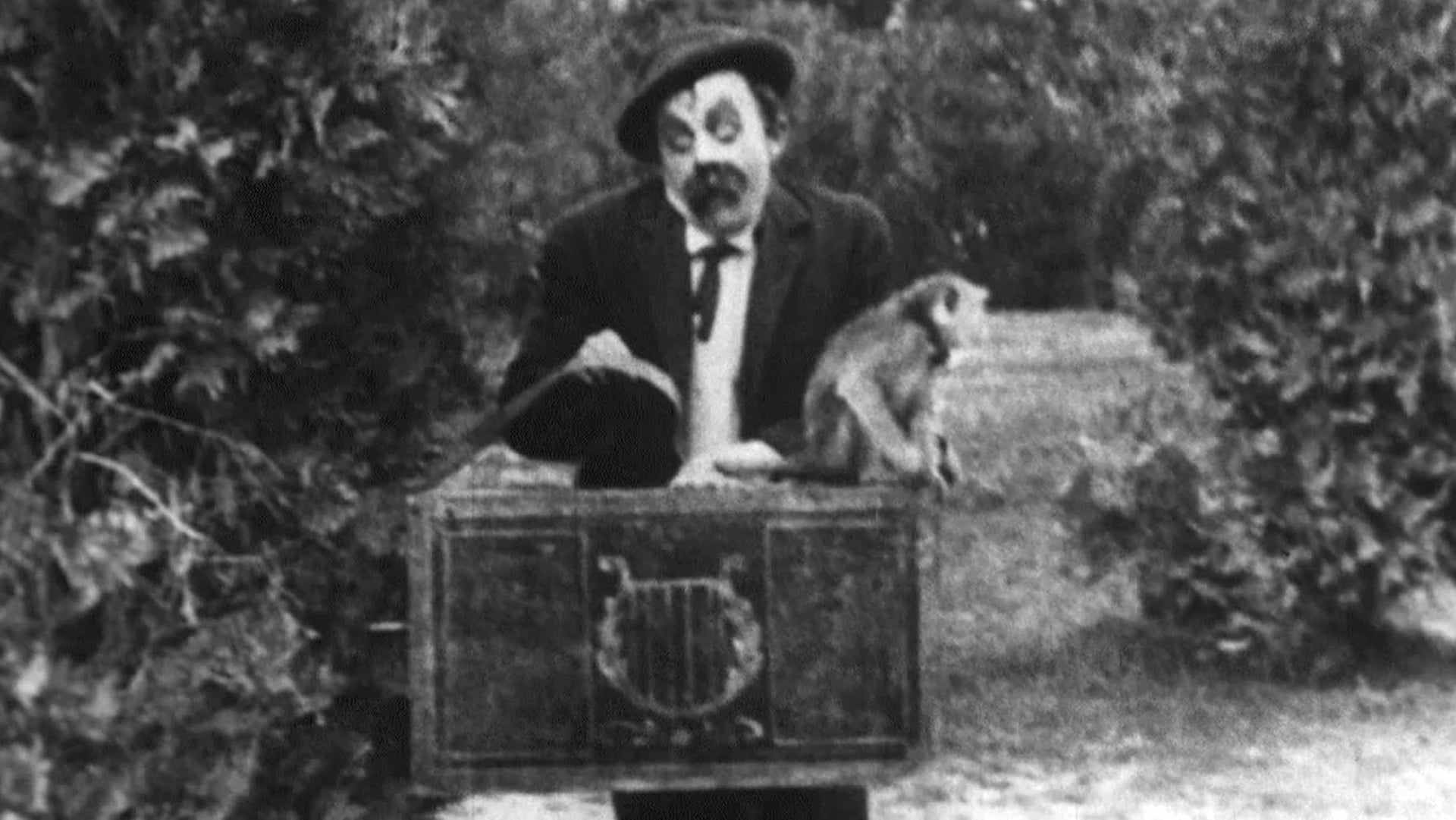
A man falls in love with a piano player and tries to woo her. A passerby hears a maid's music, fancies he's found his true love, and chats her up. Her boyfriend arrives for his music lesson and jealously dismisses the interloper, who swipes a grinder's organ (and monkey) to help him serenade the maid. Later he follows the boyfriend to a residence hotel and plants a bomb in the man's piano. The organ-grinder is gunning for the thief, and soon the piano, bomb, monkey, thief, and pistol-packing grinder are rolling down the road to the delight of maid and lover. It's ka-boom for some and a kiss for others.
Insights
Plot Summary
In this early silent comedy short, Buster Keaton plays a young man who attempts to serenade his sweetheart, but his musical efforts are hilariously thwarted by a series of escalating mishaps. From malfunctioning instruments to interfering rivals, his attempts at romance descend into slapstick chaos. The film showcases Keaton's early physical comedy and innovative use of props.
Critical Reception
As a very early silent short from a filmmaker who would later become legendary, 'Do-Re-Mi-Boom!' is appreciated for its foundational slapstick humor and Keaton's nascent comedic talent. While not as sophisticated as his later works, it was characteristic of the energetic and often chaotic comedies popular in the 1910s, and is generally viewed as an entertaining, albeit simple, piece of early cinema.
What Reviewers Say
Early example of Buster Keaton's signature physical comedy.
Features inventive gags and prop work typical of the silent era.
A charming, albeit simple, comedic short.
Google audience: Audience reception for 'Do-Re-Mi-Boom!' is largely based on its historical significance and its place in Buster Keaton's early filmography. Viewers often praise its energetic slapstick and Keaton's natural comedic timing, even in this formative stage of his career. It's seen as a fun, lighthearted romp that captures the spirit of early film comedy.
Fun Fact
This short film was part of a series of shorts produced by Joseph M. Schenck, which allowed Buster Keaton to develop his comedic style before he gained full creative control over his feature films.
AI-generated overview · Verify ratings on official sources