
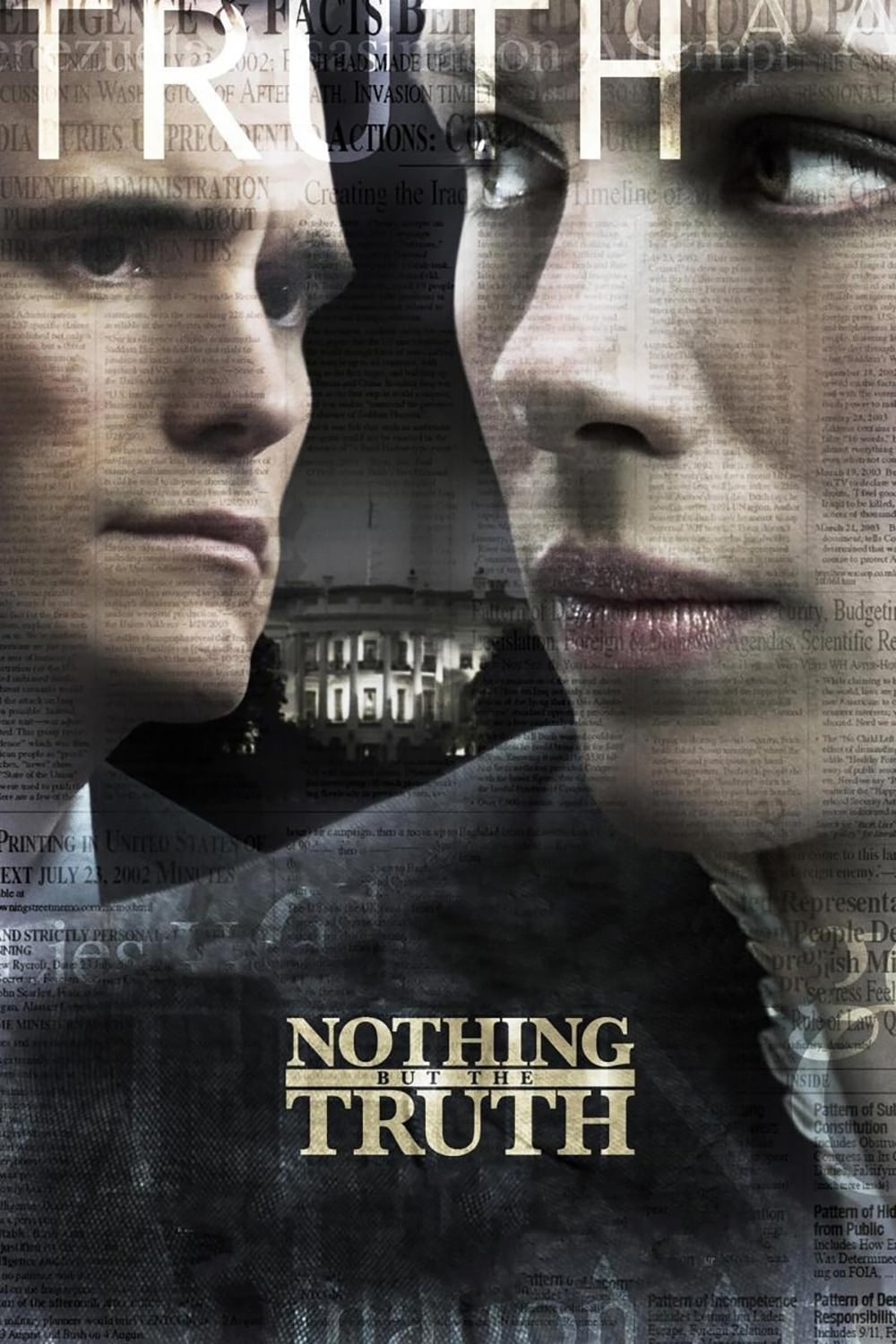

Nothing But the Truth
When reporter Rachel Armstrong writes a story that reveals the identity of a covert CIA operative, the government demands that Rachel reveal her source. She defies the special prosecutor and is thrown in jail. Meanwhile, her attorney, Albert Burnside argues her case all the way to the U.S. Supreme Court.
Insights
Plot Summary
A determined female reporter uncovers a potentially explosive government cover-up, but her investigation leads her into a dangerous ethical and legal minefield. She faces immense pressure to reveal her source, risking her career and freedom to uphold journalistic integrity. The film explores the complex relationship between the press, the government, and the public's right to know.
Critical Reception
Nothing But the Truth received generally positive reviews from critics, who praised its intelligent script, strong performances, and timely exploration of journalistic ethics and government accountability. While some found its pacing occasionally uneven, the film was largely seen as a compelling and thought-provoking thriller that resonated with contemporary concerns about the media's role in a democracy.
What Reviewers Say
- Praised for its sharp dialogue and a compelling central performance.
- Lauded for its timely and relevant examination of journalistic ethics and government secrecy.
- Some critics noted a slightly deliberate pace in parts.
Google audience: Google users generally found the film to be a smart and engaging thriller with a strong message about the importance of a free press. Many appreciated the performances, particularly Kate Beckinsale's, and felt the movie raised important questions about power and responsibility.
Fun Fact
The film's title is a reference to the legal principle of 'truth as a defense' in defamation cases, a central theme explored in the movie.
AI-generated overview · Verify ratings on official sources