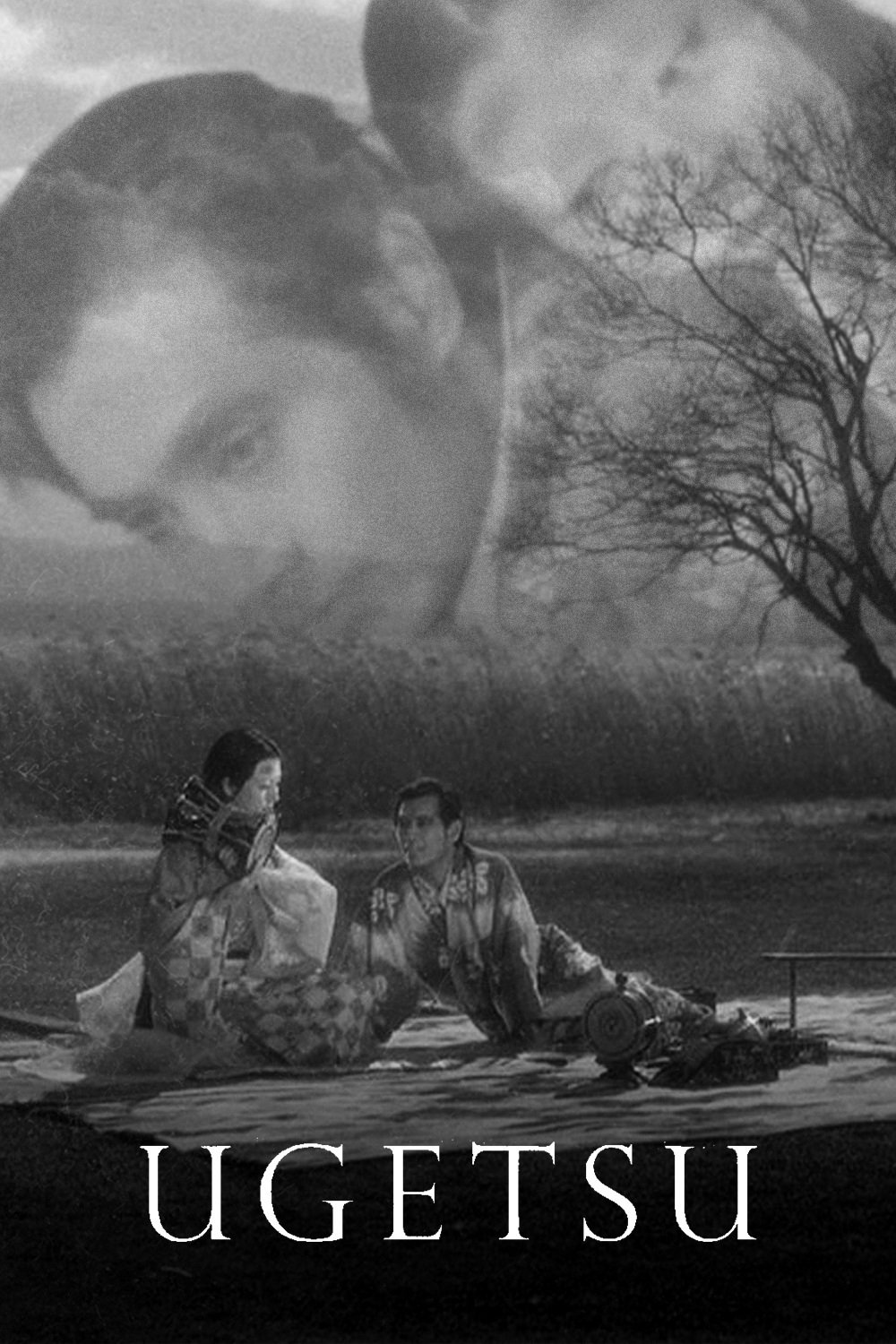

Ugetsu
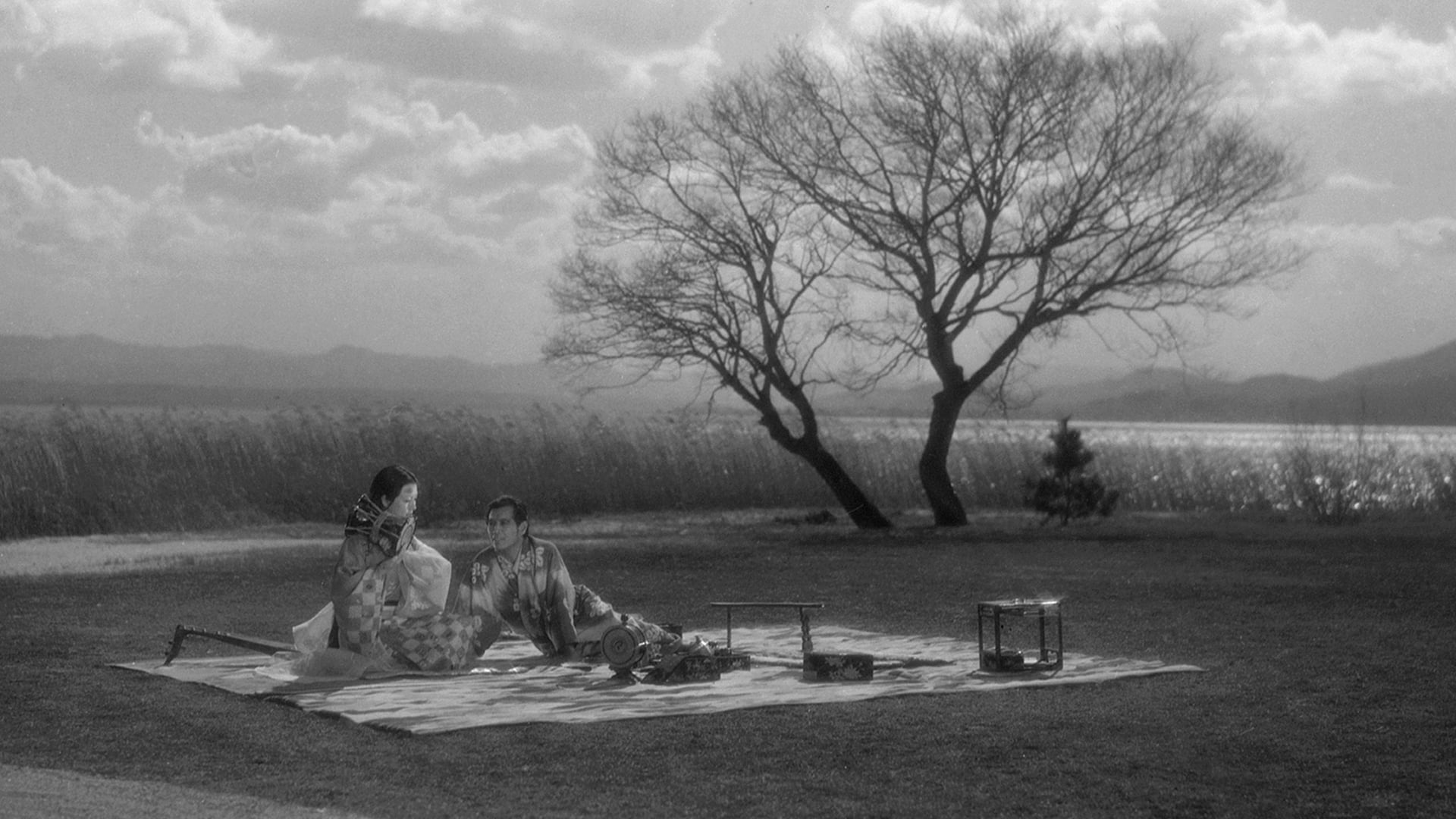
In 16th century Japan, peasants Genjuro and Tobei sell their earthenware pots to a group of soldiers in a nearby village, in defiance of a local sage's warning against seeking to profit from warfare. Genjuro's pursuit of both riches and the mysterious Lady Wakasa, as well as Tobei's desire to become a samurai, run the risk of destroying both themselves and their wives, Miyagi and Ohama.
Insights
Plot Summary
During a period of civil war in feudal Japan, two ambitious peasant brothers, Genjuro and Tobei, seek their fortunes. Genjuro dreams of becoming a successful merchant in the capital, while Tobei aspires to be a samurai. Their wives are left behind to suffer the consequences of their husbands' unchecked desires and the ravages of war, leading to tragic encounters with supernatural forces.
Critical Reception
Ugetsu is widely regarded as a masterpiece of Japanese cinema and one of director Kenji Mizoguchi's finest achievements. It garnered significant international acclaim for its stunning visuals, poignant storytelling, and masterful direction, earning praise from both critics and audiences for its profound exploration of human desire, ambition, and the supernatural.
What Reviewers Say
- Praised for its breathtaking cinematography and atmospheric direction.
- Commended for its powerful performances, particularly Machiko Kyō's haunting portrayal.
- Applauded for its timeless themes of greed, ambition, and the supernatural.
Google audience: Audiences consistently praise Ugetsu for its profound emotional impact, stunning visual artistry, and compelling blend of historical drama with supernatural elements. Many highlight the film's tragic narrative and the memorable performances as key reasons for its enduring appeal.
Awards & Accolades
Nominated for the Golden Lion at the Venice Film Festival.
Fun Fact
The film is loosely based on two short stories from Ueda Akinari's 1776 collection, 'Strange Tales from a Chinese Studio'.
AI-generated overview · Verify ratings on official sources