
Movie spotlight
Good Night, and Good Luck
Livestreamed from the penultimate show at the Winter Garden Theatre in New York City, this stage adaptation of George Clooney's 2005 film follows the story of journalist Edward R. Murrow's stand against Senator Joseph McCarthy's anti-communist witch-hunts in the early 1950s.
Insights
Plot Summary
In the 1950s, CBS newsman Edward R. Murrow and his colleagues take a stand against Senator Joseph McCarthy and his fear-mongering tactics during the Red Scare. Despite facing intense pressure and risking their careers, Murrow uses his broadcast to challenge McCarthy's methods and expose the damaging effects of his anti-communist crusade on American society. The film chronicles the personal and professional battles fought in the pursuit of truth and journalistic integrity during a turbulent era.
Critical Reception
Good Night, and Good Luck. was widely praised by critics for its sharp direction, powerful performances, and timely relevance. Reviewers lauded its faithful portrayal of a crucial period in American history and its exploration of journalistic ethics. Audiences also appreciated its intelligent and thought-provoking narrative, making it a critically acclaimed film that resonated with viewers.
What Reviewers Say
Praised for its historical accuracy and compelling depiction of journalistic courage.
David Strathairn's performance as Edward R. Murrow received particular acclaim.
The film's relevance to contemporary issues of media and politics was frequently highlighted.
Google audience: Audiences lauded the film for its intelligent storytelling and the powerful performances, especially David Strathairn's portrayal of Edward R. Murrow. Many found it to be a thought-provoking and important film that effectively captured a critical moment in American history.
Awards & Accolades
Nominated for 6 Academy Awards, including Best Picture, Best Director, Best Original Screenplay, Best Actor (David Strathairn), Best Cinematography, and Best Art Direction. Also received multiple Golden Globe and BAFTA nominations.
Fun Fact
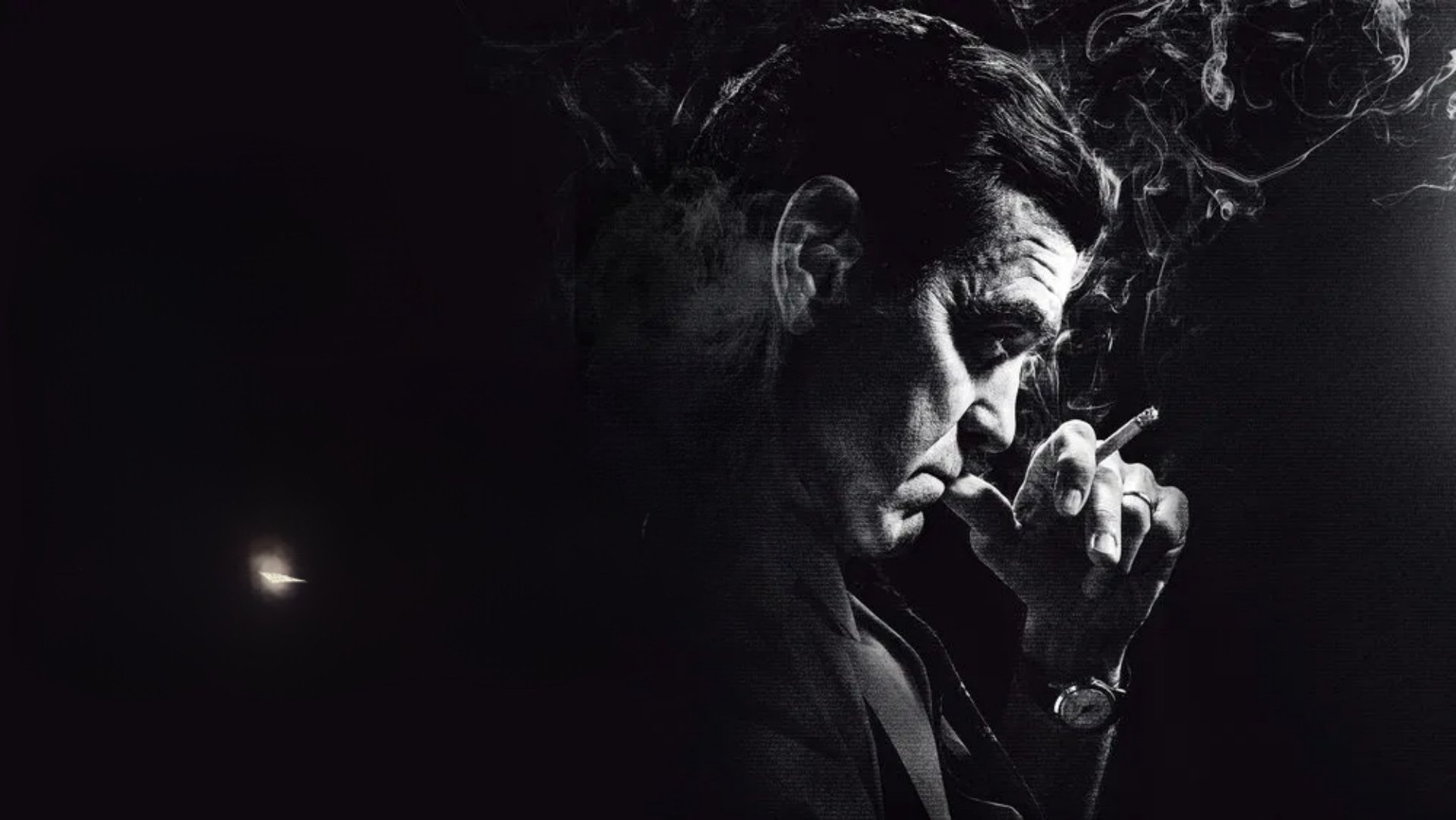
The film was shot in black and white to evoke the visual style of 1950s television broadcasts and to enhance the historical atmosphere.
AI-generated overview · Verify ratings on official sources