
Movie spotlight
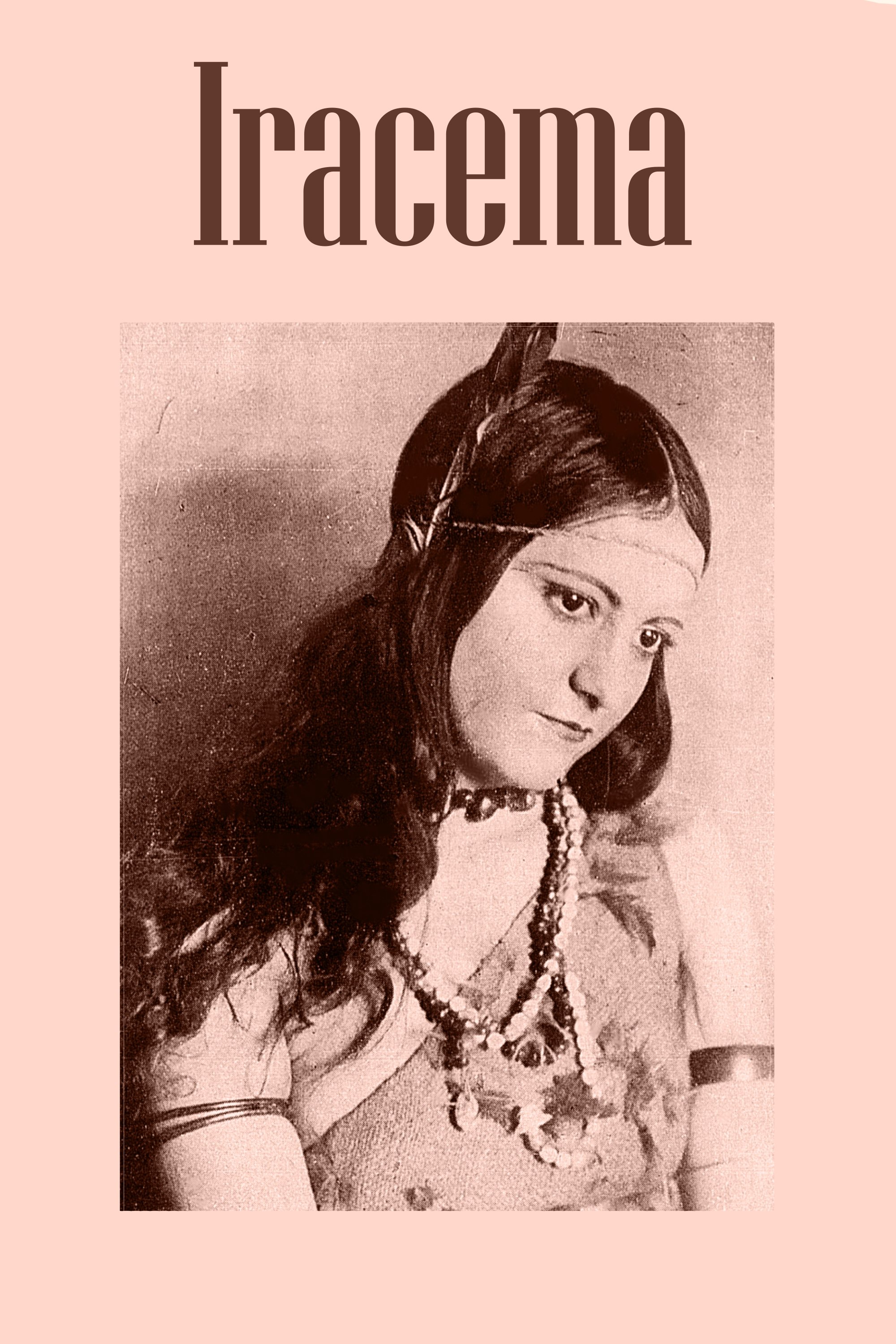
Iracema
In 16th century Brazil, portuguese colonizer Marfim falls in love with indigenous woman Iracema.
Insights
Plot Summary
Based on the iconic Brazilian novel by José de Alencar, the film chronicles the tragic love story between the indigenous maiden Iracema and the Portuguese warrior Martim. Their forbidden romance unfolds against the backdrop of colonial Brazil, exploring themes of cultural conflict, betrayal, and sacrifice. Iracema, the 'virgin with lips like honey', embodies the spirit of the land, while Martim represents the encroaching European civilization. Their union, blessed by nature, is ultimately doomed by the arrival of other colonizers and internal strife.
Critical Reception
As an early Brazilian silent film, "Iracema" is a significant historical artifact, though detailed critical reception from its era is scarce. It is primarily remembered for its ambitious adaptation of a foundational piece of Brazilian literature and its pioneering role in the country's nascent film industry. Contemporary reviews, if they exist, would likely have focused on its faithfulness to the novel and its visual storytelling capabilities.
What Reviewers Say
A landmark in early Brazilian cinema, striving to capture the essence of a beloved national epic.
Notable for its attempt to translate the poetic prose of José de Alencar into visual terms.
Considered an important cultural document, representing a significant early effort in national filmmaking.
Google audience: Information on Google user reviews for this silent film from 1931 is not available.
Fun Fact
The film is a silent adaptation of "Iracema," a highly influential 1865 romance novel by José de Alencar, which is considered one of the most important works of Brazilian Romantic literature and helped to forge a national identity through its depiction of indigenous culture and the founding of Brazil.
AI-generated overview · Verify ratings on official sources