Movie spotlight
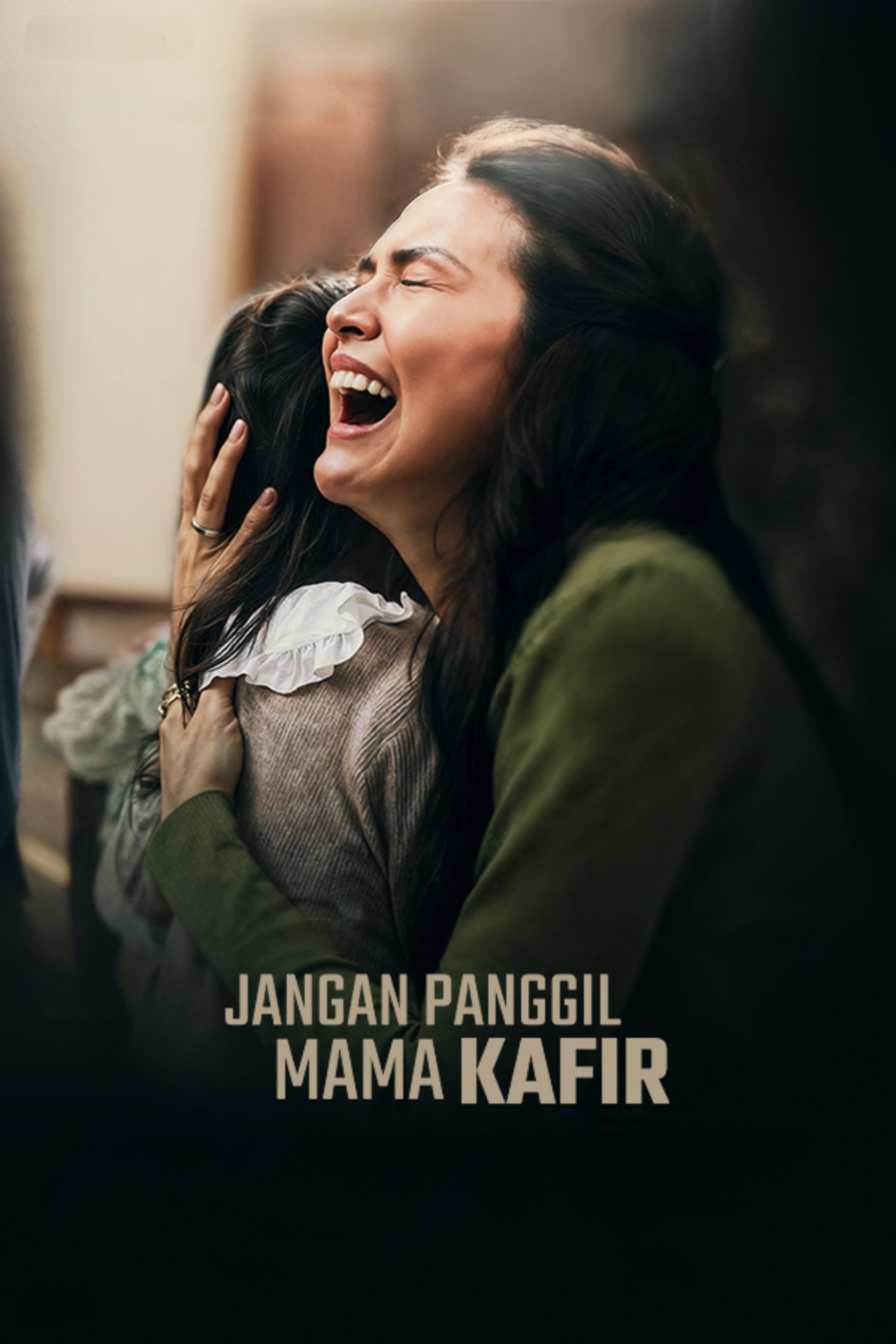
Jangan Panggil Mama Kafir
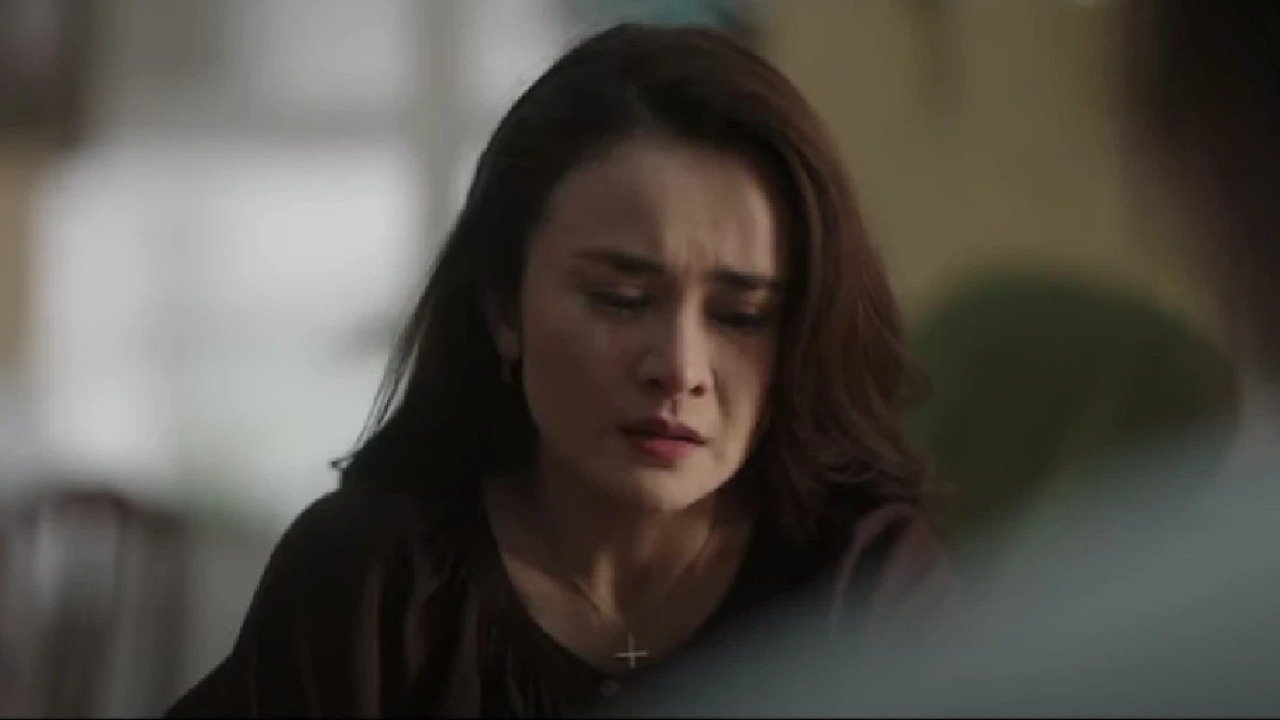
The meeting of Maria and Fafat in a church on Christmas Eve, changed their fate. Maria did not expect that her relationship with Fafat would lead to an interfaith relationship. But the two of them had already fallen in love and decided to marry. When their daughter was born and not yet a year old, Fafat died in an accident. Maria was left alone, patiently raising her daughter Laila, according to the Islamic teachings that had been promised to her late husband. However, Ustadzah Habibah saw that Maria's efforts in educating Laila with Islamic teachings were still lacking, so she wanted to take and educate her granddaughter herself. After her husband, would Maria also lose her child?
Insights
Plot Summary
The film centers on a devout Muslim family who moves into a new neighborhood, only to be ostracized and targeted by their superstitious and intolerant neighbors who brand them 'infidels'. As the family struggles to adapt, they uncover dark secrets about the community and the sinister forces preying on their faith and unity.
Critical Reception
As the film has not yet been released, critical reception is unavailable. However, given its themes of religious intolerance and supernatural horror, it is expected to generate discussion and potentially polarizing reviews.
What Reviewers Say
Anticipated to explore themes of religious prejudice and supernatural threats.
Potential for a tense atmosphere with a focus on a family's struggle against external hostility.
Expected to blend elements of social commentary with traditional horror tropes.
Google audience: Audience reception for 'Jangan Panggil Mama Kafir' is not yet available as the film has not been released.
Fun Fact
The title 'Jangan Panggil Mama Kafir' translates to 'Don't Call Mom an Infidel', hinting at the central conflict and the potential endangerment of a maternal figure within the narrative.
AI-generated overview · Verify ratings on official sources