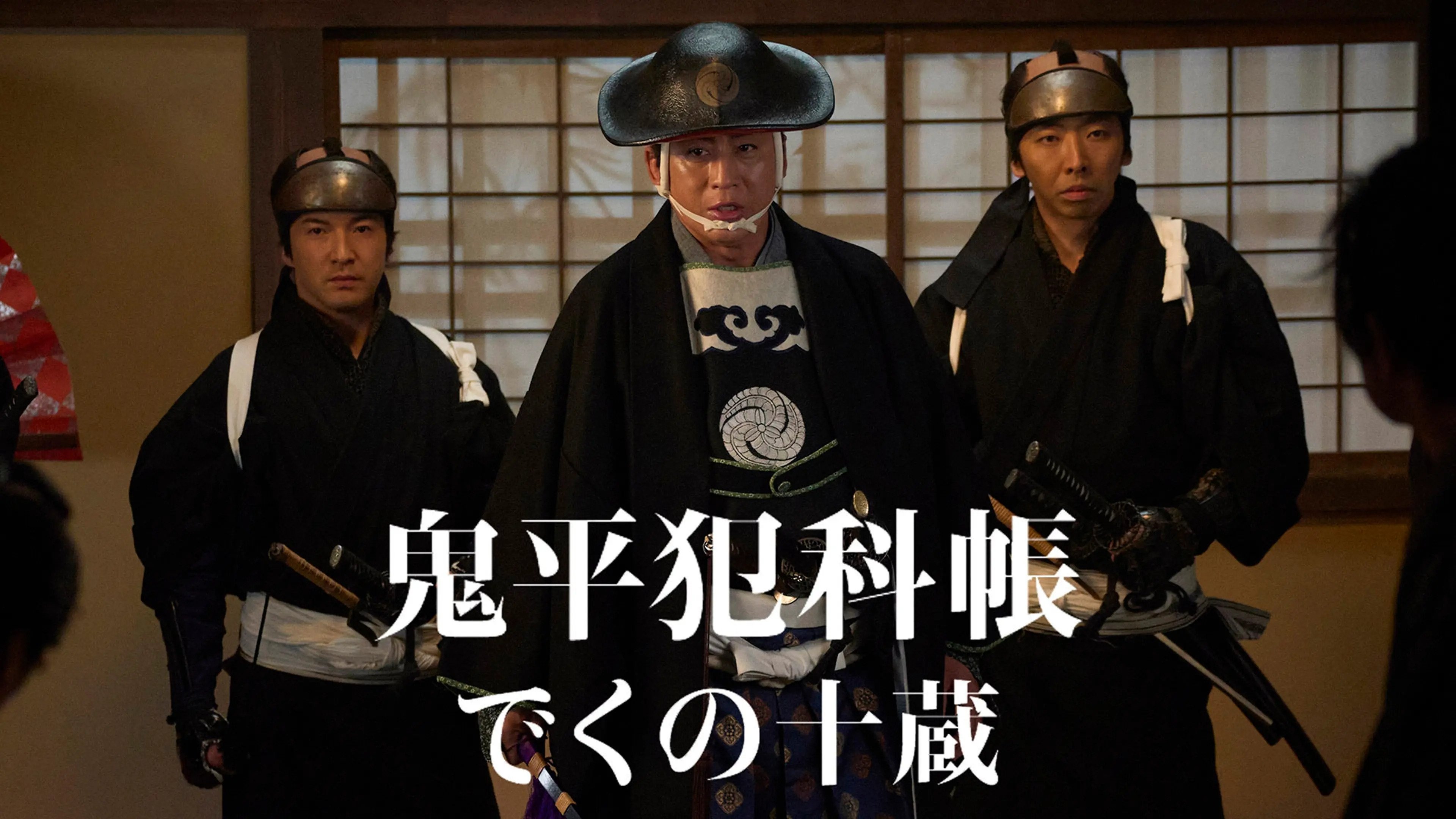
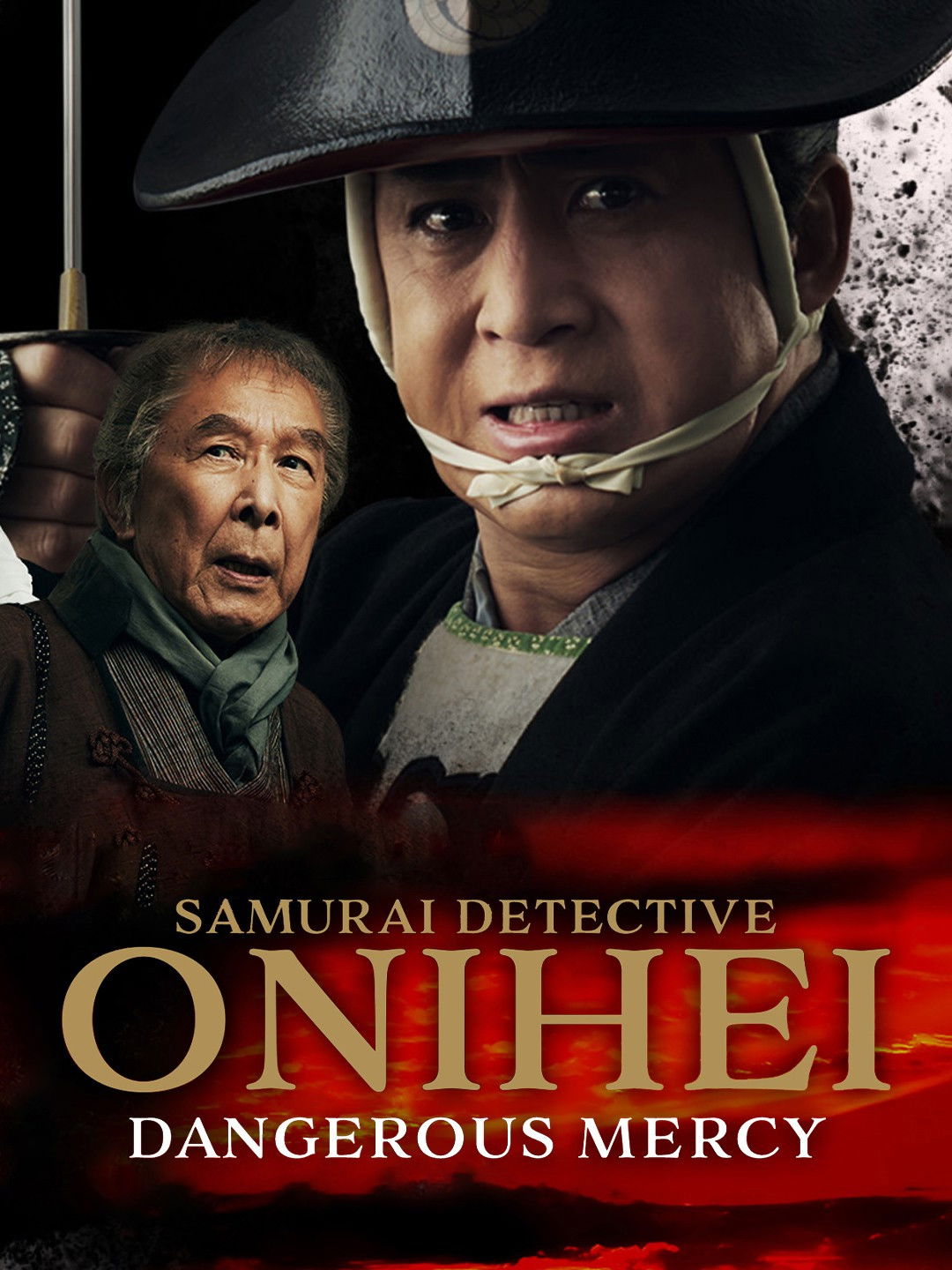
Samurai Detective Onihei: Dangerous Mercy
Juzo Ono, a subordinate of Matsumoto Heizo. (yakunin government official) Ono Juzo finds himself torn between 'emotion' and 'duty' after encountering a certain woman. While Heizo worries about Juzo, he also delves into the heart of the matter. What choices will Juzo make, and what feelings will Heizo harbor for his future? Taking on the role of Juzo Ono, who holds the key to the story, is Tokio Emoto, following his performances in 'Lawless Love' and 'Blood for Blood.' This portrayal adds another layer to the character previously played by Tokio Emoto's father, Akira.
Insights
Plot Summary
In the Edo period, the notorious bandit Heizo Hasegawa, also known as 'Onihei', is tasked with hunting down dangerous criminals. Despite his fearsome reputation, Onihei operates with a strong sense of justice, often showing a surprising amount of mercy to those he deems redeemable. The film follows his relentless pursuit of a shadowy organization, testing his resolve and forcing him to confront the blurred lines between law and vengeance.
Critical Reception
The film has been praised for its atmospheric direction, compelling performances, and stylish action sequences. Critics have noted its faithfulness to the spirit of the original source material while delivering a fresh and engaging narrative for modern audiences. It's considered a strong entry in the samurai genre.
What Reviewers Say
- Visually stunning with expertly choreographed sword fights.
- A mature and nuanced portrayal of justice and morality.
- Masahiro Motoki delivers a captivating performance as the iconic detective.
Google audience: Audiences have lauded the film's authentic depiction of the Edo period, the gripping storyline, and the impactful performances, particularly from the lead actor. Many appreciate the blend of intense action and thoughtful character development.
Awards & Accolades
Nominated for Best Director at the Tokyo International Film Festival.
Fun Fact
The character of Onihei was originally created by author Shōtarō Ikenami in 1968 and has since been adapted into numerous novels, television series, and films, making this the latest iteration of a beloved Japanese cultural icon.
AI-generated overview · Verify ratings on official sources