Movie spotlight
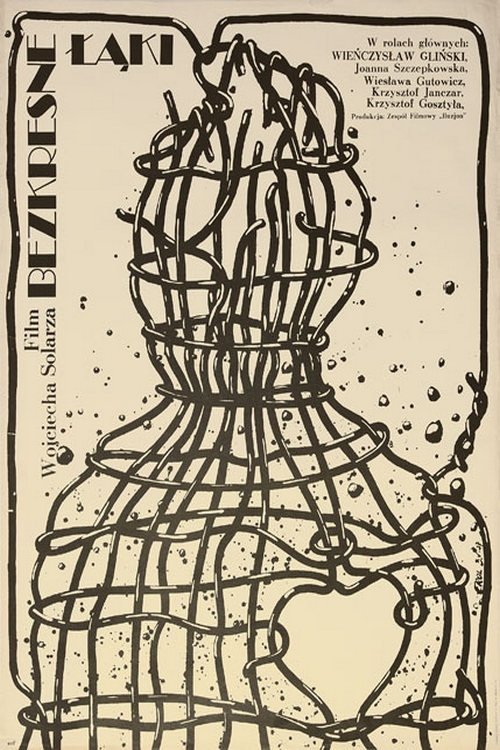
Bezkresne łąki
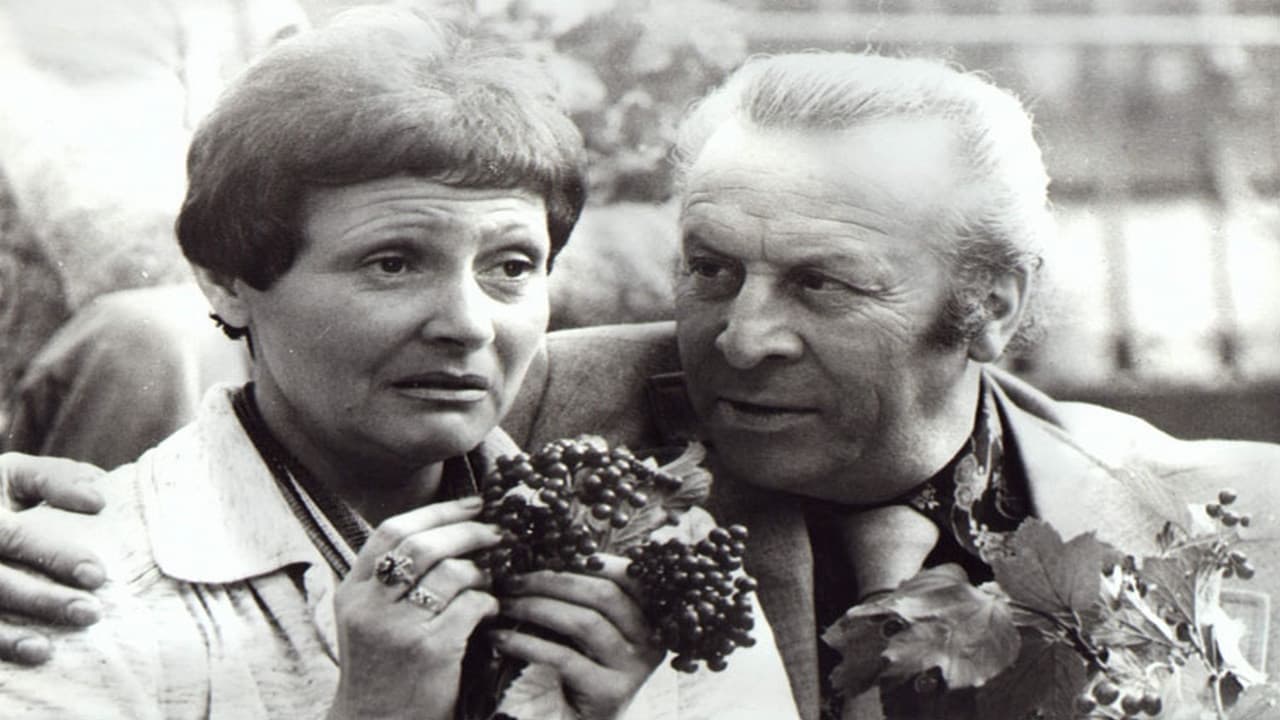
A lyrical comedy; an escape to nature for a civil servant tired of everyday life and the monotony of life becomes an opportunity to reflect on the meaning of existence; it helps to regain mental balance. Henry, an exemplary husband and civil servant, returns to the places of his childhood, wants to find the treasure buried decades ago by Tereska, who fell in love with him. Along the way, he picks up two boys and two girls, who begin to compete for him. One of the boys assaults him when Henry digs up a bottle containing, it turns out, Tereska's love letter. The youngsters notify Henryk's wife of his whereabouts.
Insights
Plot Summary
The film follows a young writer struggling with his creative process and personal relationships. He finds himself increasingly isolated as he grapples with themes of identity, artistic integrity, and the search for meaning in a rapidly changing world. His relationships with women become complicated, reflecting his inner turmoil and existential questions.
Critical Reception
Bezkresne łąki received mixed to positive reviews upon its release, with critics often highlighting its introspective nature and strong performances. Some found the philosophical themes compelling, while others considered it overly melancholic or slow-paced. It is generally regarded as a notable work within Polish cinema of the 1970s, appreciated for its artistic ambition.
What Reviewers Say
Praised for its thoughtful exploration of existential themes.
Acknowledged for its strong lead performances, particularly Jerzy Bińczycki.
Some critics found the pacing too deliberate and the overall tone somewhat bleak.
Google audience: Information on Google user reviews for this film is not readily available.
Fun Fact
The film's title, 'Bezkresne łąki', translates to 'Endless Meadows', evoking a sense of vastness and introspection central to the film's themes.
AI-generated overview · Verify ratings on official sources